

Видове инокс парапети – Решения за модерна архитектура
Всяко архитектурно решение започва с въпроса как да се съчетаят сигурността и изчистената визия в един проект. За съвременните инженери и архитекти в България инокс парапетите предлагат идеален баланс между здравина, надеждност и възможности за креативен дизайн. Тези конструкции от неръждаема стомана изпъкват с устойчивост на корозия и лесна поддръжка, а комбинацията им с други материали дава свобода за отличителни визии и дълготрайна защита.
Съдържание
- Какво представляват инокс парапетите и техните предимства
- Основни видове конструкции инокс парапети
- Комбинации и дизайн с други материали
- Архитектурни приложения и изисквания за монтаж
- Сравнение: инокс срещу алуминий и други варианти
Основни изводи
| Точка | Детайли |
|---|---|
| Инокс парапетите са устойчиви на корозия | Изработени от неръждаема стомана, инокс парапетите осигуряват надеждна защита в открити пространства при всякакви климатични условия. |
| Разнообразие от конструкции | Различните типове конструкции (вертикални щипки, хоризонтални струни и рамка решетка) позволяват гъвкавост в дизайна и безопасността. |
| Комбиниране с други материали | Инокс може да се комбинира със стъкло, дърво или алуминий, за да се постигне оптимален естетичен и функционален резултат. |
| Спазване на строителни норми | Важно е проектите да отговарят на местните строителни изисквания за безопасност и поддръжка при монтаж на парапети. |
Какво представляват инокс парапетите и техните предимства
Инокс парапетите представляват защитни конструкции, изработени от неръждаема стомана (AISI 304 или AISI 316), които служат както като функционални прегради, така и като архитектурни елементи. Те се монтират на балкони, тераси, скали и покрива, предоставяйки необходимата защита без да нарушават визуалния вид на сградата. За разлика от традиционните решения от бетон или дърво, инокс парапетите комбинират минималистичния дизайн с издържливост, която трае десетилетия. Тази комбинация прави ги идеален избор за съвременни архитектурни проекти, където естетиката и функционалността трябва да работят заедно.
Предимствата на инокс парапетите са многобройни и пряко отговарят на изискванията на современния строител. Неръждаемата стомана устойчива е на корозия, което е критично за открити пространства и при влажни климатични условия. Материалът не се ржави, не се пукае от слънце или студ, и не изисква редовно боядисване или поддържане като дърво. Чистотата е проста със сапун и вода, а естественият металиев блясък се запазва години наред. За архитектите особено ценно е, че дизайните могат да бъдат минималистични или елегантни, позволявайки на парапетите да се интегрират в различни архитектурни стилове, от традиционни до авангардни.
Защитата, която осигуряват инокс парапетите, отговаря на строгите норми за безопасност. Височината, отвора между стълбовете и носимоспособността са стандартизирани, за да предотвратят падане от височина. Това е особено важно при проекти с височини над 5 метра, където вижте изискванията за монтаж и безопасност са критични за съответствие с нормативната документация. Инокс парапетите поддържат тежести надвишаващи 200 кг на метър линеен, което ги прави надежден избор за жилищни, офис и промишлени сгради. Освен това, материалът е екологичен и напълно преработваем, което го прави отговорен избор за устойчив строителен дизайн.
Съвет от експертите Когато проектирате парапет, винаги съгласувайте височенията и дизайна с местния строителен кодекс на вашия град, защото различни райони имат различни изисквания към отворите между стълбовете.
Основни видове конструкции инокс парапети
Инокс парапетите се различават по конструкция в зависимост от приложението, архитектурния стил и функционалните изисквания. Най-широко разпространени са три основни типа конструкции, всеки със своите характеристики и предназначение. Избирането на правилния тип изисква разбиране на конструктивните разлики и начина, по който те отговарят на безопасностни норми и естетически вкус. Инокс парапетите могат да бъдат изработени от различни профили неръждаема стомана, като кръгли, овални или квадратни тръби се избират на базата на здравина, приложение и дизайн.
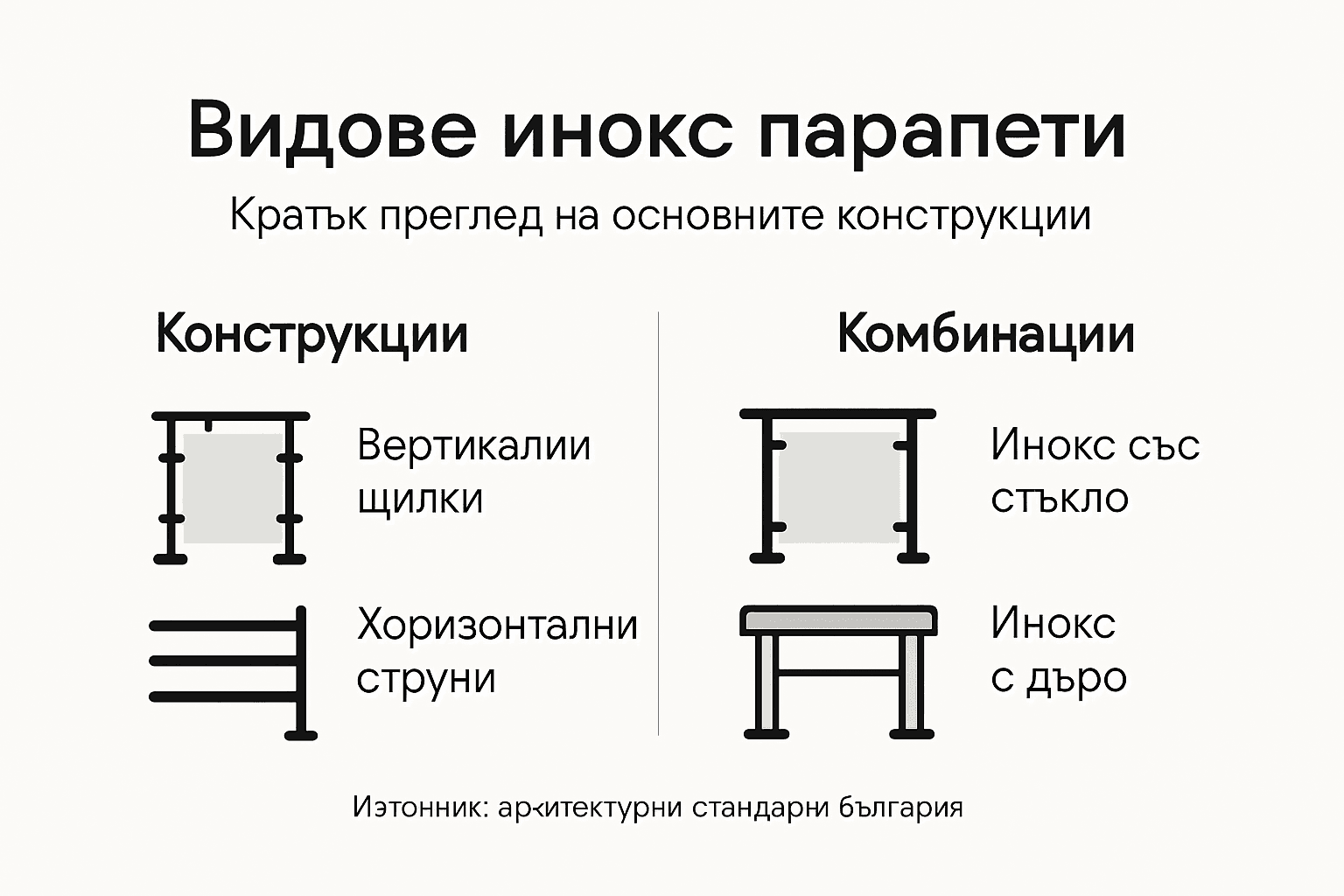
Парапети с вертикални щипки
Вертикалните щипки са най-достъпният и безопасен вариант за защита, особено когато е необходимо да се предотврати падане на деца или домашни любимци. Щипките се монтират вертикално между горния и долния поручен, отваране между тях не надвишава 110 милиметра. Този тип конструкция предоставя максимална безопасност, поддържа тежести над 200 килограма на метър и се вписва лесно в различни архитектурни стилове. За жилищни проекти и семейни жилища парапетите със щипки са най-честия избор.
Парапети с хоризонтални струни
Хоризонталните струни или въжета създават модерен и елегантен вид, позволяват добра видимост и са идеални за современни архитектурни концепции. Струните се прикрепват хоризонтално между вертикалните стойки, правейки парапета лесен за поддържане и почистване. Този вариант е популярен при офис сгради, търговски комплекси и луксозни жилища, където естетиката е на преден план. Разстоянието между струните е стандартизирано за безопасност, което гарантира съответствие с норми и регламенти.

Парапети с рамка решетка
Рамката решетка представлява затворена система, комбинираща вертикални и хоризонтални елементи в решетка или геометрични мотиви. Този тип конструкция осигурява както визуална защита, така и пълна безопасност, защитавайки също и от преминаване на малки предмети. Решетките позволяват креативни дизайни и могат да бъдат персонализирани за специфични проекти, което ги прави отличен избор за архитектурни проекти с висок естетически стандарт.
Все още трябва да се разглежда материалът: неръждаемата стомана тип 304 и 316 се различават по корозионна устойчивост. Тип 304 е достатъчна за повечето вътрешни приложения, докато 316 осигурява превъзходна защита срещу морските условия и високо агресивни средства.
Съвет от експертите При избора между видовете конструкции, помислете за климатичните условия на място и видимостта, която искате да постигнете, защото правилната комбинация от конструкция и материал гарантира дългосрочна издържливост.
Ето кратък преглед на основните типове конструкции инокс парапети и тяхната оптимална употреба:
| Тип конструкция | Подходящи приложения | Основен фокус |
|---|---|---|
| Вертикални щипки | Жилищни сгради, детски площадки | Максимална безопасност |
| Хоризонтални струни | Офис сгради, модерни домове | Визуална лекота, естетика |
| Рамка решетка | Обществени обекти, тераси | Визуална защита, дизайн |
Комбинации и дизайн с други материали
Съвременната архитектура редко разчита на един единствен материал за парапети. Комбинирането на инокс с други материали създава визуално привлекателни решения, които комбинират функционалност с естетически амбиции. При проектирането на инокс парапети, смесени материали повишават естетиката и издръжливостта, позволявайки архитектите да създават уникални дизайни. Правилната комбинация на материали не само подобрява визуалния вид, но също осигурява по-дълга експлоатационна живот и по-добра защита срещу външни фактори.
Инокс със стъкло
Стъклото е най-популярната комбинация със инокс в съвременните проекти. Стъклените панели се монтират хоризонтално или вертикално между неръждаеми скоби, създавайки минималистичен дизайн с максимална видимост. Този вариант е идеален за балкони, тераси и скали, където искате да запазите панорамния вид. Стъклото може да бъде безопасно закалено или ламиранo, което предотвратява разчупване при удар. Комбинацията инокс плюс стъкло е най-честа в луксозни жилища и съвременни офис сгради.
Инокс с дърво
Дървото добавя топлина и естествен характер на парапетите от неръждаема стомана. Дървени елементи могат да бъдат монтирани между инокс стойки, създавайки контраст и елегантност. Избягвайте пори дърво в открити пространства, тъй като влагата предизвиква разбухване и гниене. Екзотичните твърди дървета като тик или банго имат по-добра устойчивост на влага, но изискват редовно поддържане със защитни лакове. За вътрешни приложения обикновеното дърво работи добре и придава топлина на модерния дизайн.
Инокс с алуминий
Алуминиевите елементи са лекотни и естественo устойчиви на корозия, което ги прави перфектна комбинация със инокс. Алуминиеви панели или декоративни профили могат да се вкъчват между инокс рамката, създавайки визуален слой и структурна еластичност. Този вариант е економичен и лесен за производство, което го прави достъпен за по-широк спектър от проекти. Алуминиумът се използва и за хоризонтални елементи, които добавят конструктивна хармония.
Инокс с съставни материали
Съставните материали като полипропилен или поликарбонат осигуряват лекотност и гъвкавост при дизайна. Тези материали позволяват полупрозрачност, която парапетите се користват за филтриране на светлина, но запазват частична видимост. Полукарбонатът е устойчив на удари и предлага гъвкавост при монтаж.
При всяка комбинация е критично да се гарантира правилна закрепване и съвместимост на материалите, избягвайки електрохимични реакции между различните метали.
Съвет от експертите Когато комбинирате материали, винаги помислете за поддържането във времето, защото всеки материал има различни изисквания за почистване и защита срещу климатични условия.
Следната таблица обобщава възможните комбинации между инокс и други материали, подчертавайки най-важните ефекти:
| Комбинация | Ефект върху дизайна | Особеност на поддръжката |
|---|---|---|
| Инокс със стъкло | Максимална прозрачност и модерен вид | Периодично почистване на стъкло |
| Инокс с дърво | Топлина, естествен изглед | Дървото изисква защитна обработка |
| Инокс с алуминий | Лекота, индустриален стил | Минимална поддръжка |
| Инокс със съставни материали | Полупрозрачност, гъвкавост | Лесно почистване, добра устойчивост |
Архитектурни приложения и изисквания за монтаж
Инокс парапетите намират приложение в разнообразни архитектурни среди, от жилищни комплекси до търговски и промишлени сгради. Инокс парапетите са широко използвани в жилищни, търговски сгради и обществени пространства за осигуряване на безопасност, като се монтират на балкони, стълбища и тераси. Всяко приложение носи със себе си специфични технически изисквания, които трябва да бъдат внимателно разглеждани на фазата на проектиране. Правилният монтаж не е просто технически процес, а фундамент за дългосрочна сигурност и естетически успех на проекта.
Жилищни приложения
В жилищните проекти инокс парапетите защитават балкони и открити тераси, където живеят семейства с деца. Височината трябва да бъде между 1,0 и 1,2 метра, както е определено в строителните норми. Разстоянието между вертикални щипки не трябва да надвишава 110 милиметра, което предотвратява преминаване на глава на малко дете. Крепежните елементи трябва да издържат хоризонтално натоварване от 150 нютона на точка контакт. За тези приложения се препоръчва инокс тип 304, който е достатъчно устойчив на променливите климатични условия.
Търговски и офис сгради
В офис сгради и търговски комплекси парапетите служат както за защита, така и за формиране на архитектурния образ на фасадата. Многоетажните офис проекти често използват комбинирани решения със стъкло и инокс за максимална видимост и модерен вид. Монтажът във висока височина (20 и повече метра) изисква прецизна техническа подготовка и специализирани крепежни елементи. Крепежите трябва да издържат не само вертикално натоварване (собствено тегло на конструкцията), но и силни ветрови натоварвания.
Обществени пространства
Паркове, музеи и публични пространства изискват парапети с повишена носимоспособност и естетическо качество. Съответствието с международни строителни норми и стандарти за безопасност е задължително за всички обществени приложения. В тези среди се предпочитат дизайни с хоризонтални струни или решетки, които позволяват видимост и преминаване на светлина. Парапетите трябва да издържат интензивно ежедневно използване и честа экспозиция на климатични влияния.
Изисквания за монтаж
Монтажът на инокс парапети изисква прецизна техническа подготовка и качествени крепежни елементи за осигуряване на сигурност. Всяка конструкция трябва да се закрепва на метални стени или греди със болтове от неръждаема стомана (тип А2 или А4). Бетонни повърхности изискват използването на специални анкери и дюбели, които издържат дълговременното натоварване без разхлабване. Хоризонталното натоварване трябва да бъде разпределено равномерно, за да се избегне точкова перегрузка на крепежите. Всички отвори за болтове трябва да бъдат правилно запечатани, за да се предотвратят течове и корозия на скритите части.
Съвет от експертите При планирането на монтажа, винаги проверете строителния план и консултирайте се със статичен инженер относно натоварванията и крепежите, защото неправилният монтаж може да компрометира безопасността.
Сравнение: инокс срещу алуминий и други варианти
Когато избирате материал за парапети, инокс и алуминий са двата най-чести избора, но всеки има своите силни и слаби страни. Инокс и алуминий са най-често използваните материали за парапети, като иноксът се отличава с по-висока здравина и устойчивост на корозия, докато алуминият е по-лек и се монтира по-лесно. Изборът между тях зависи от климатичните условия, бюджета на проекта и дългосрочните изисквания за поддържане. За архитектите е важно да разберат точно кои са разликите, тъй като грешният избор може да доведе до скъпи ремонти след няколко години.
Инокс срещу алуминий
Иноксът предлага невероятна устойчивост на корозия, което го прави идеален за открити среди, морски климат и влажни условия. Материалът издържа 20 до 30 години без видима деградация, дори без специално поддържане. Алуминият е приблизително три пъти по-лек от инокса, което прави монтажа по-бърз и по-евтин. Въпреки това, алуминиеви парапети могат да показват видими признаци на окисляване, особено в кислинни условия или крайбрежни райони с морска сол.
Наоколо цената: инокс парапетите обикновено имат по-дълъг живот и изискват по-малко поддръжка, но първоначалните разходи са по-високи. Алуминиеви варианти предлагат по-добра цена и разнообразие на покрития, но е по-податлив на физически деформации. Ако проектът е във висока височина или със силни ветрови натоварвания, инокс ще издържи натоварванията по-добре без деформиране.
Други материали и техни характеристики
Освен инокс и алуминий, съществуват и други варианти. Обикновената стомана е евтина, но ржава бързо и изисква редовна защита с боя. Дърво добавя топлина, но е податливо на влага, насекоми и гниене в открити условия. При сравнението между инокс, алуминий и други метали, иноксът осигурява превъзходна структурна здравина, което е особено важно в тежки климатични условия. Алуминият обаче е лек и лесен за обработка, предлагащ различни дизайнерски възможности на по-ниски цени. За проекти, където естетиката и дълготрайността са приоритет, инокс е непрепоръчимо решение.
Таблица за сравнение
| Характеристика | Инокс | Алуминий | Обикновена стомана |
|---|---|---|---|
| Устойчивост на корозия | Отлична | Добра | Слаба |
| Тегло | Тежък | Лек | Тежък |
| Цена | Висока | Средна | Ниска |
| Поддържане | Минимално | Умерено | Редовно |
| Живот | 20 30 години | 10 15 години | 5 10 години |
| Естетика | Модерна, елегантна | Различни стилове | Традиционна |
Съвет от експертите За дългосрочни инвестиции в открити пространства, изберете инокс с тип 316, защото той осигурява максимална устойчивост на морските условия и крайбрежния климат.
Изберете качествени инокс парапети за вашия проект с Inoxify
Съвременната архитектура изисква парапети, които съчетават безопасност, естетика и дълготрайност същевременно. В статията се подчертава колко важен е правилният избор между конструкции с вертикални щипки хоризонтални струни или рамка решетка за осигуряване на максимална надеждност и съблюдаване на строителните норми. Ако търсите решения от неръждаема стомана с гарантирано качество издръжливост и лесен монтаж заповядайте в нашия електронен магазин. В категорията Пръти - Inoxify ще откриете широка гама от профили включително и Кръгли - Inoxify и Квадратни - Inoxify тръби които могат да бъдат интегрирани във всяка система
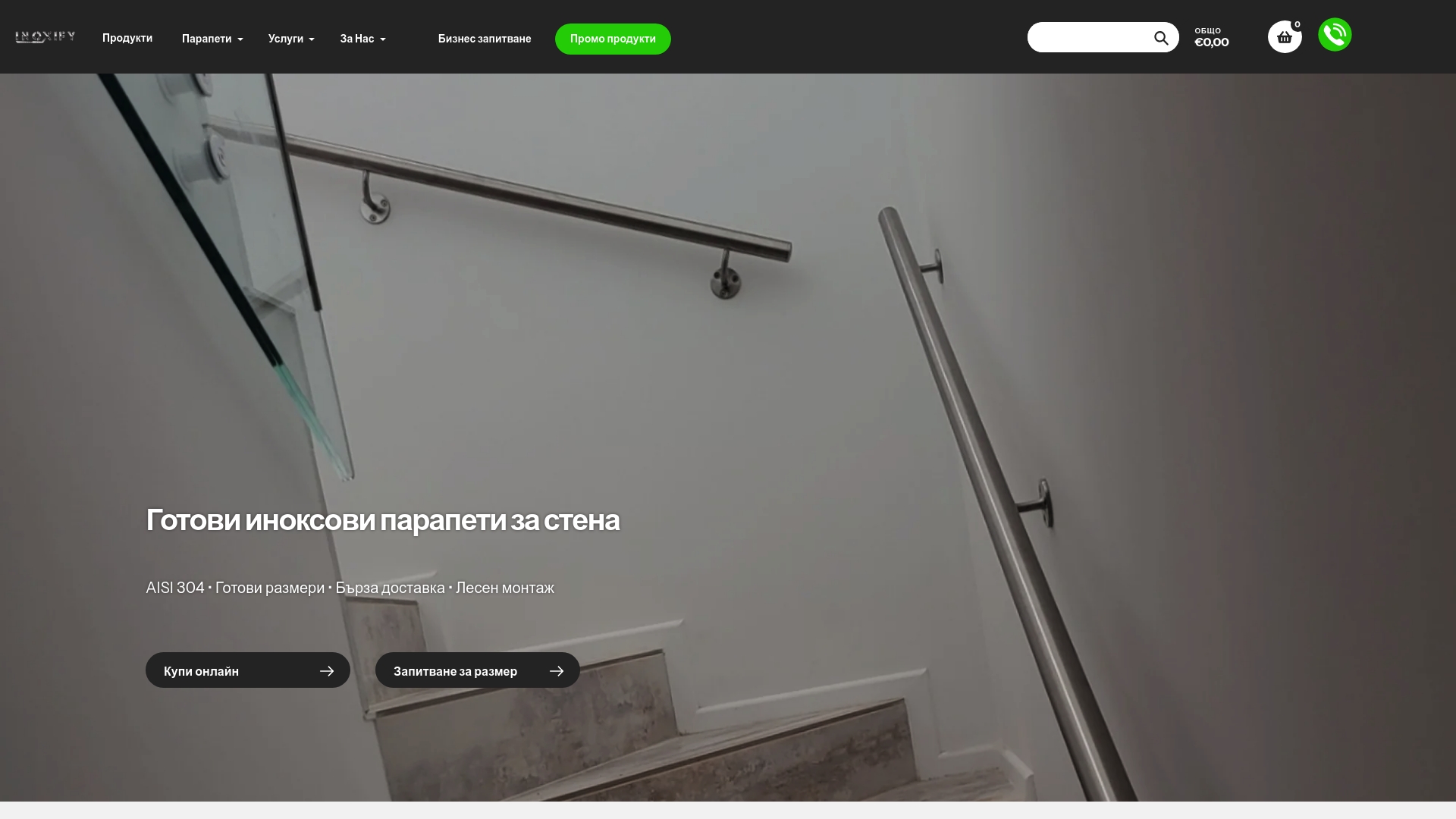
Не губете време в компромиси с безопасността и дизайна Доверете се на готови и изработени в България инокс парапети от https://inoxify.bg Сега е моментът да обновите или реализирате своя проект с висок клас продукти и лесен процес на поръчка Направете първата стъпка към сигурна и стилна архитектура сега
Често задавани въпроси
Какви са предимствата на инокс парапетите?
Инокс парапетите предлагат устойчивост на корозия, минимална необходимост от поддръжка, дълъг експлоатационен живот и естетически привлекателен дизайн. Те са идеален избор за открити пространства и съвременни архитектурни проекти.
Какви видове конструкции инокс парапети съществуват?
Съществуват три основни типа конструкции инокс парапети: вертикални щипки, хоризонтални струни и рамка решетка. Всеки тип има свои характеристики и е подходящ за различни архитектурни приложения.
Какви материали могат да се комбинират с инокс парапети?
Инокс парапетите могат да се комбинират с различни материали като стъкло, дърво, алуминий или съставни материали. Тези комбинации предоставят естетически и функционални предимства, които качествено подобряват дизайна.
Какви са изискванията за монтаж на инокс парапети?
Изискванията за монтаж включват правилно закрепване на парапетите, спазване на стандартни височини и разстояния между елементите, както и използване на качествени крепежни елементи, за да се осигури безопасността и дългосрочната устойчивост.
Свързани страници в Inoxify
Разгледайте нашите специализирани секции за оферти, цени с монтаж и техническа информация:
- Парапети – главна
- Парапети за тераси
- Парапети за стълбища
- Иноксови парапети за тераса
- Иноксови парапети за стълбище