

7 Essential Tips for a Custom Railing Solutions List
Planning a custom railing project puts you face to face with a surprising number of choices and potential missteps. Decisions about materials, measurements, and installation methods can feel overwhelming, especially when your budget and timeline are at stake. Without the right approach, you risk costly adjustments and disappointing results.
The good news is that there are clear strategies you can use to get it right from the start. From measuring handrails with the proper tools to reducing delays and costs by working with local manufacturers, these tips will help you create a railing that is both safe and visually impressive.
Get ready for practical insights that will guide you through each stage of your railing project and show you how to avoid the most common mistakes. The steps ahead will help you turn complex decisions into confident solutions.
Table of Contents
- Choose The Right Stainless Steel Grade For Durability
- Measure Accurately For Perfect Custom Fit
- Select Mounting Options For Various Applications
- Incorporate Glass Or Steel For Enhanced Aesthetics
- Prioritize Easy Installation Features
- Consider Local Production For Faster Delivery
- Check Project Gallery For Design Inspiration
Quick Summary
| Takeaway | Explanation |
|---|---|
| 1. Choose the right stainless steel grade | Select AISI 304 for standard conditions; use AISI 316 for harsh environments to ensure long-lasting durability. |
| 2. Measure accurately for a perfect fit | Precise measurements prevent costly errors and ensure safety; document with sketches and multiple measurements. |
| 3. Select appropriate mounting options | Choose wall-mounted for stability in existing structures; freestanding systems offer flexibility for open areas. |
| 4. Prioritize easy installation features | Opt for pre-assembled systems to simplify installation, saving time and minimizing potential for mistakes. |
| 5. Consider local production for efficiency | Local fabrication speeds up delivery and communication, ensuring adherence to local codes and requirements. |
1. Choose the Right Stainless Steel Grade for Durability
When selecting materials for your railing project, understanding stainless steel grades makes the difference between a railing that lasts decades and one that requires constant maintenance. The grade you choose determines how well your railing resists corrosion, withstands weather exposure, and maintains its appearance over time. This decision shapes both the longevity and the total cost of ownership for your installation.
Stainless steel comes in different grades, with AISI 304 and 316 being the most common choices for railing applications. AISI 304 performs well in most indoor and sheltered outdoor environments, offering solid corrosion resistance at a reasonable price point. However, if your project faces harsh conditions like direct coastal exposure, high humidity, or frequent temperature fluctuations, AISI 316 becomes the smarter investment. Grade 316 contains molybdenum, which provides superior resistance to chloride corrosion and aggressive environmental factors. Think of it this way: 304 is your reliable workhorse for typical Bulgarian renovation projects, while 316 is your insurance policy for demanding locations. The initial cost difference between grades typically ranges from 15 to 25 percent, but this modest premium prevents expensive replacement or refinishing work down the road. For residential renovations, contractors often find that understanding durability through proper material selection helps them recommend the right solution to homeowners before problems arise.
When planning your project, consider the installation environment honestly. Will the railing sit inches away from the sea? Is it exposed to industrial pollution or road salt spray? Does it face constant moisture from irrigation or weathering? These conditions push you toward 316 grade regardless of initial budget concerns. Conversely, interior staircases or covered balconies in standard residential settings perform excellently with 304 grade. Your project location, maintenance capacity, and long-term expectations should guide this selection. Contractors who specify the correct grade from the start build customer confidence and avoid warranty claims related to corrosion or discoloration.
Pro tip: Request material certification documentation for any stainless steel railing you purchase, confirming the AISI grade and mill test reports that verify composition. This protects your project and ensures you receive exactly what you specified and paid for.
2. Measure Accurately for Perfect Custom Fit
Precision measurements are the foundation of any successful custom railing installation. A mistake in your measurements, even a small one, cascades into alignment problems, safety concerns, and expensive corrections after installation begins. Getting this right the first time saves money, prevents delays, and ensures your railing performs exactly as designed. Your measuring process deserves the same attention you would give to structural engineering because, in a real sense, accurate dimensions are structural engineering.
Start by identifying your specific installation type, whether wall-mounted or freestanding, because each approach requires different measurement strategies. For wall-mounted railings, measure along the exact path where the railing will sit, accounting for any curves, angles, or elevation changes. Use a quality tape measure to capture overall length, then mark every point where the railing changes direction or requires a support bracket. A level ensures you identify any slopes or angles in your installation surface that might affect measurements. Measuring handrail systems with appropriate tools like tape measures and levels prevents the safety hazards and costly post-installation adjustments that plague poorly planned projects. Record mounting heights at multiple points rather than assuming they remain consistent. Most building codes require handrails between 34 and 38 inches high, but your specific project may have unique requirements. Document angles at corners using an angle finder or digital level to communicate these details clearly to fabricators. Photography serves as backup documentation, allowing manufacturers to see exactly what they are working with and catch potential issues before fabrication begins.
Freestanding railings demand even greater attention because they must sit properly on floors while accommodating your specific safety requirements. Measure the length of the area to be railed, the height of the balustrade, and any special considerations like stairs, corners, or connections to existing structures. Consider how the railing will connect to adjoining walls or newel posts. Different projects in Bulgaria might require weatherproofing for coastal properties or specific mounting solutions for renovation work in older buildings. Transfer all measurements to a clear sketch or diagram that you can share with manufacturers before ordering, eliminating guesswork and giving everyone involved a shared understanding of the project scope.
Pro tip: Measure your critical dimensions three times using different starting points, then average the results to catch tape measure errors and guarantee accuracy that withstands professional scrutiny.
3. Select Mounting Options for Various Applications
Your choice of mounting system determines how securely your railing stays in place and whether it performs safely across decades of use. Different applications demand different mounting approaches, and selecting the wrong one creates hidden structural vulnerabilities that may not reveal themselves until serious problems emerge. Understanding your options allows you to match the mounting method to your specific project requirements and building conditions.
Wall-mounted railings offer distinct advantages for many renovation projects because they attach directly to solid surfaces like concrete, brick, or steel beams. This approach works exceptionally well for balconies, staircases, and elevated platforms where a sturdy wall or structural element already exists. Wall mounting minimizes the footprint of the railing system, preserving floor space while providing reliable support. The mounting brackets transfer force directly into the building structure rather than relying on floor fasteners. For residential renovation work in Bulgarian apartment buildings or commercial properties with existing structural walls, wall-mounted solutions often prove most cost-effective and straightforward to install. Freestanding railings, by contrast, stand independently on the floor surface using base plates and anchor points that secure the system without relying on walls or adjacent structures. These work perfectly for open floor plans, rooftop terraces, waterfront installations, or any situation where you need railing protection without modifying existing surfaces. Freestanding systems provide flexibility in placement and can be relocated if building layouts change.
Glass parapet systems represent another mounting option that combines safety with aesthetics, particularly popular for contemporary renovations and premium residential applications. These systems integrate metal railings with transparent panels that provide visibility while maintaining fall protection. Your specific project context matters tremendously when selecting between these approaches. Consider the structural capacity of your installation surface, the aesthetic goals of your design, local building code requirements, and the long-term maintenance expectations. A renovation project restoring a historic Bulgarian building may favor traditional wall-mounted systems that integrate seamlessly with existing architecture. A new commercial development might benefit from the flexibility and modern appearance of freestanding solutions. Working with experienced fabricators who understand your building type, local conditions, and regulatory environment ensures your mounting selection suits both immediate needs and long-term performance expectations.
Pro tip: Request detailed installation documentation and load capacity ratings for any mounting system before ordering, confirming that your chosen method meets local safety standards and can support the anticipated use of your railing.
4. Incorporate Glass or Steel for Enhanced Aesthetics
The material composition of your railing dramatically shapes how your entire space feels and functions visually. A railing is never just a safety requirement; it’s an architectural statement that either enhances or diminishes the beauty of your project. Choosing between glass and steel components allows you to create a railing that matches your design vision while maintaining durability and safety compliance.
Steel railings offer timeless elegance and industrial sophistication that works across residential and commercial settings. Stainless steel provides a sleek, contemporary look that complements modern interiors while delivering exceptional durability in any environment. The material’s reflective surface catches light beautifully, creating visual interest without overwhelming the space. Steel railings work exceptionally well in commercial renovations, contemporary homes, and settings where you want the railing to become a design feature rather than an invisible safety element. Glass components, by contrast, provide transparency that visually expands spaces and maintains sightlines across open areas. A glass parapet system preserves the view while protecting against falls, making it ideal for waterfront properties, rooftop terraces, or any location where the vista matters as much as the safety function. Glass railings feel lighter and more elegant than traditional designs, and they photograph beautifully for promotional purposes in commercial or hospitality settings. When selecting between these options, consider your project context carefully. A staircase in a residential renovation might benefit from modern interior railing design that combines steel handrails with glass panels for both safety and visual appeal. A commercial waterfront installation might prioritize the transparent quality of glass to showcase the environment beyond.
The combination of glass and steel offers remarkable flexibility in achieving your aesthetic goals. You can use steel framing with glass infill panels, all-steel designs with geometric patterns, or pure glass systems depending on your specific needs and budget. Contemporary design trends increasingly favor hybrid approaches that maximize both visual interest and functional clarity. Your choice should balance your aesthetic preferences with practical considerations like maintenance requirements, local climate conditions, and the long-term vision for the space. Quality installation becomes even more critical when combining materials, as misalignment or poor integration destroys the visual impact you worked to achieve.
Pro tip: Request sample installations or visit completed projects featuring your chosen material combination before committing to full fabrication, ensuring the aesthetic result matches your expectations and photographs well in your specific lighting conditions.
5. Prioritize Easy Installation Features
Installation complexity directly impacts your project timeline, labor costs, and the likelihood of problems during setup. A railing system designed for straightforward installation saves money, reduces frustration, and gets your project completed on schedule. When evaluating custom railing solutions, prioritize features that make the installation process smooth and efficient rather than choosing based solely on appearance or price.
Ready-to-install railing systems arrive from the fabricator pre-assembled or with clear, modular components that require minimal on-site adjustment. This approach contrasts sharply with traditional railings that demand extensive field fabrication, welding, grinding, and finishing work. Pre-fabricated systems use standardized mounting brackets, pre-drilled holes, and compatible components that fit together intuitively. Your installation crew spends time mounting and securing rather than problem-solving design issues or making modifications. Systems designed with quick-connect fasteners and modular sections reduce installation time dramatically. A wall-mounted railing with simple bolt-down brackets takes hours rather than days to install properly. Stainless steel railings specifically benefit from simplified installation approaches because the material resists welding and field modifications that might damage corrosion protection. Clear installation documentation matters tremendously because it ensures your crew understands the sequence of steps, avoids costly mistakes, and completes work within the estimated schedule.
Consider how the railing connects to existing structures and whether those connections require custom modifications. A system that adapts to standard wall surfaces, floor conditions, and building configurations using basic tools and hardware proves far more practical than one demanding specialized equipment or expert fabrication skills. When requesting quotes from manufacturers, ask specific questions about installation time estimates, tools required, and whether they provide detailed installation guides or site support. Quality fabricators like those producing stainless steel solutions understand that installation simplicity determines customer satisfaction and project success. Systems incorporating quick-installation features often cost slightly more upfront but deliver significant savings in labor costs and schedule predictability. For renovation projects in Bulgaria where weather windows may be limited or crew availability varies, installation-friendly designs become genuinely valuable. Request that manufacturers include installation instructions in your specification process, and don’t hesitate to ask about training or support for your installation team.
Pro tip: Schedule a pre-installation site visit with your fabricator or supplier to identify potential installation challenges before work begins, ensuring all necessary modifications or adaptations are completed during fabrication rather than improvised in the field.
6. Consider Local Production for Faster Delivery
Choosing a locally produced railing system transforms your project timeline and eliminates countless complications that plague imports from distant manufacturers. When your railing fabricator operates in Bulgaria rather than shipping from overseas, you gain speed, flexibility, and direct communication that reduces delays and misunderstandings. Local production fundamentally changes the economics and logistics of custom railing projects in ways that extend far beyond simple convenience.
Manufacturers based locally can respond quickly to your specific project needs, making design adjustments or modifications without waiting weeks for international shipping and communication delays. A Bulgarian fabricator understands regional building codes and standards directly, ensuring your railing meets local compliance requirements without the back-and-forth clarifications that plague international ordering. Local stainless steel railing production reduces lead times and shipping costs significantly, allowing you to plan renovation schedules with confidence rather than uncertainty. International shipments introduce transportation risks where railings arrive damaged, requiring costly repairs or replacements. Local production eliminates these risks entirely because your fabricator maintains quality control throughout the process and can inspect products before they leave the workshop. You can visit the fabricator, see completed examples, and discuss your project with people who understand the local climate, building styles, and regulatory environment. This direct relationship builds trust and ensures your custom railing matches your expectations before installation begins. For contractors managing multiple projects across Bulgaria, working with local suppliers creates predictable timelines that keep crews productive and schedules on track.
The cost advantages extend beyond shipping and lead times. Local production supports your regional economy while reducing your carbon footprint, factors increasingly important to homeowners and commercial developers. Fabricators producing locally invest in understanding their market, maintaining quality standards, and building reputations based on customer satisfaction. When problems arise, you can address them quickly with face-to-face communication and direct accountability. Communication between you and your fabricator becomes a genuine partnership rather than email exchanges across time zones with delayed responses. Projects completed on schedule with railings that arrive ready for installation generate satisfied customers who recommend the fabricator to future projects.
Pro tip: Request references from local fabricators who have completed projects similar to yours, visiting sites to inspect installation quality and asking contractors about their experience with timelines and customization responsiveness.
7. Check Project Gallery for Design Inspiration
A project gallery showcasing completed railing installations provides invaluable guidance when you’re deciding what your custom solution should look like. Real world examples demonstrate how different materials, styles, and configurations perform in actual settings rather than in theoretical specifications. Reviewing finished projects helps you visualize possibilities, understand what works aesthetically in different environments, and avoid design choices you might regret after installation.
Project galleries reveal how stainless steel railings integrate with various architectural styles, from contemporary renovations to traditional residential spaces. You see how glass elements interact with light, how steel finishes photograph in different settings, and how mixed material combinations create visual interest. A gallery showing innovative stainless steel railing designs with glass and wood combinations illustrates contemporary trends while providing specific examples of what’s possible within your budget and timeline. Photos of completed projects in residential settings help homeowners understand scale, proportion, and how railings impact overall room aesthetics. Commercial project examples demonstrate how railings function in high-traffic environments while maintaining visual appeal and safety compliance. You’ll discover design solutions you never considered, such as how angled railings can follow staircase geometry gracefully or how transparent panels preserve sightlines while protecting against falls. Photographs also show maintenance realities. You’ll notice how certain finishes age over time, how glass maintains clarity or develops spotting, and which design details require regular upkeep versus those that remain pristine. This visual evidence helps you make informed decisions about material selection based on long-term performance expectations rather than initial appearance alone.
When evaluating project galleries, look for installations in environments similar to your own. Coastal Bulgarian properties benefit from seeing how railings perform in salt-spray conditions. Urban renovation projects benefit from examples showing how railings integrate with existing architecture. Commercial hospitality projects might gain valuable perspective from gallery examples showing how design choices influence guest perception and safety. Pay attention to details like handrail design, spacing between balusters, and how transitions occur at corners or connections. Ask your fabricator whether they can replicate specific design elements you admire from their project gallery. Request information about the materials, finishes, and installation methods used in examples that appeal to you. This transforms design inspiration into actionable specifications your fabricator can execute.
Pro tip: Create a mood board or collection of gallery images from completed projects that resonate with your aesthetic preferences, then share these references with your fabricator to establish a clear visual direction for your custom railing before detailed specifications begin.
Below is a comprehensive table summarizing the key points and strategies for stainless steel railing projects as discussed in the article.
| Aspect | Details | Significance |
|---|---|---|
| Steel Grades | AISI 304 for standard use; AISI 316 for high-moisture or corrosive environments. | Choosing the right grade prevents maintenance issues and ensures durability. |
| Accurate Measurements | Precise dimensions are critical for custom fit and structural safety. | Prevents costly corrections and ensures compliance with building codes. |
| Mounting Options | Options include wall-mounted, freestanding, and glass parapet systems. | Tailoring systems to the application ensures long-term reliability and performance. |
| Material Selection | Glass for transparency; steel for durability and sleek design. | Balancing aesthetics with safety functionality enhances project appeal and utility. |
| Ease of Installation | Pre-assembled systems simplify the setup and reduce labor costs. | Streamlined processes save time and align with schedules effectively. |
| Local Production | Opting for locally fabricated railings ensures faster delivery and compliance with standards. | Facilitates clear communication and supports the regional economy. |
| Design Inspiration | Reviewing project galleries aids in understanding aesthetic and functional possibilities. | Identifying preferred features ensures that custom solutions align with expectations. |
Discover Durable and Stylish Custom Railing Solutions Today
Selecting the perfect stainless steel railing means focusing on durability, precise measurements, and installation ease — the very challenges highlighted in “7 Essential Tips for a Custom Railing Solutions List”. If you want to avoid costly repairs or fitting issues down the road, choosing high-quality materials like AISI 304 and 316 stainless steel and opting for ready-made, easy-to-install systems is key. At Inoxify.bg, we specialize in offering local, expertly crafted railing solutions that combine lasting corrosion resistance with elegant designs to fit any architectural style.
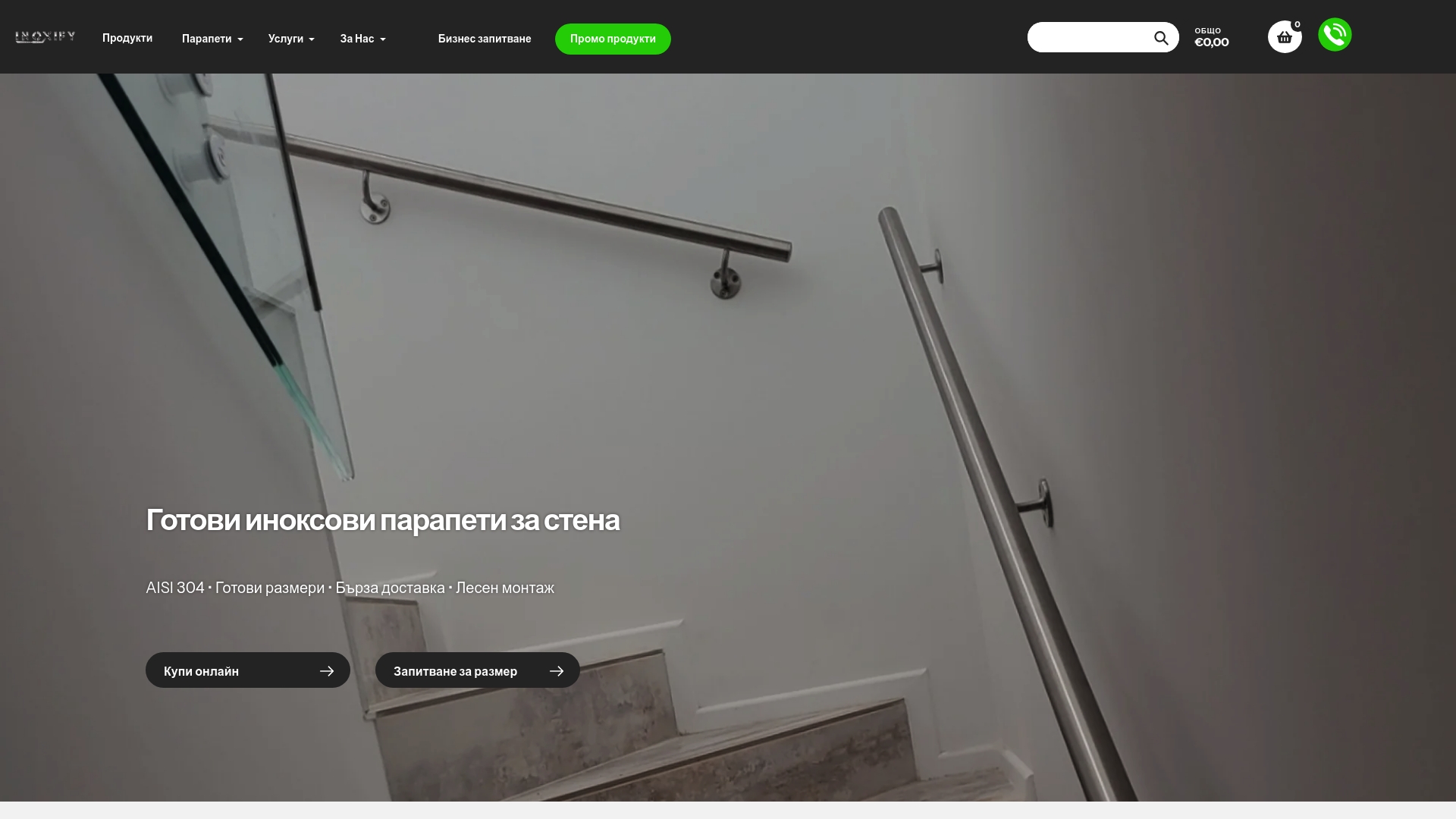
Explore our extensive range starting with Готови колонки - Inoxify for reliable structural support options or customize your look with wood-accented handrails from Дървени (кръгли) - Inoxify. With local production in Bulgaria, you gain faster delivery, clear communication, and a product crafted to your exact specifications. Visit Inoxify.bg now to secure a custom railing solution that ensures safety, style, and peace of mind on your next project.
Frequently Asked Questions
What are the key factors to consider when choosing a stainless steel grade for my railing?
Choosing the right stainless steel grade is essential for durability and corrosion resistance. Opt for AISI 304 for indoor or sheltered areas, while AISI 316 is better for harsh outdoor conditions. Assess your project’s specific environment to make an informed choice.
How can I ensure accurate measurements for my custom railing installation?
Accurate measurements are vital for successful installation. Measure critical dimensions three times using different starting points, then average the results to catch any errors. This practice helps you avoid costly adjustments after installation.
What mounting options should I consider for my custom railing project?
Select a mounting option based on the specific application and surface conditions of your project. Wall-mounted railings are ideal for sturdy surfaces like concrete, while freestanding options are useful in open spaces. Evaluate your project needs to choose the most suitable mounting approach.
How do I incorporate aesthetics into my railing design effectively?
To enhance aesthetics, consider using a combination of glass and steel elements. This blend can create a visually pleasing contrast while maintaining structural integrity. Assess your design preferences and local environmental factors to choose the best materials for your project.
What features should I look for to simplify railing installation?
Prioritize railing systems that are ready to install, with pre-assembled parts and clear instructions. Systems designed for quick assembly can significantly reduce installation time and labor costs. Request installation documentation to facilitate a smooth setup process.
Why is local production beneficial for my railing project?
Local production reduces lead times and shipping costs while allowing for direct communication about project adjustments. A local fabricator understands regional building codes and ensures compliance without delays. Choose a nearby manufacturer to enhance the overall efficiency of your project.