

How to Choose Railing Materials for Long-Lasting Results
Every contractor in Bulgaria knows that the right railing can make or break a residential renovation. With safety and visual appeal both at stake, choosing durable and easy-to-install materials becomes more than just a checklist item. Stainless steel railings offer unmatched strength, minimal upkeep, and compatibility with modern or classic designs, giving you the peace of mind and lasting value your clients expect in every project.
Table of Contents
- Step 1: Assess Project Requirements For Railings
- Step 2: Compare Material Options For Durability
- Step 3: Evaluate Design And Aesthetic Compatibility
- Step 4: Verify Safety And Compliance Standards
- Step 5: Confirm Ease Of Installation And Maintenance
Quick Summary
| Key Point | Explanation |
|---|---|
| 1. Identify Project Requirements First | Assess safety needs, environmental conditions, and design expectations to narrow down suitable railing materials. |
| 2. Compare Material Durability and Maintenance | Evaluate different materials, considering durability, strength, and maintenance needs to make informed choices. |
| 3. Ensure Aesthetic Compatibility | Choose a railing that complements your building’s architecture and enhances visual appeal while meeting functional needs. |
| 4. Verify Safety and Compliance Standards | Confirm that your railings meet all local building codes and safety standards to protect users and avoid legal issues. |
| 5. Consider Installation and Maintenance Ease | Factor in installation complexity and ongoing maintenance demands to determine the overall cost-effectiveness of your railing choice. |
Step 1: Assess Project Requirements for Railings
Before selecting any railing material, you need to understand exactly what your project demands. This initial assessment determines everything from material choice to installation complexity. Spend time identifying the specific safety needs, environmental conditions, and design expectations that will drive your decision.
Start by pinpointing where railings are needed and what function they serve. Are you installing handrails on interior stairs, exterior balcony guards, or protective barriers around elevated platforms? Each application has different load requirements and safety standards. Designing railings requires identifying safety needs especially around stairs, ramps, and balconies where fall hazards demand maximum protection and secure mounting.
Next, consider the specific height and spacing requirements for your location. Building codes in Bulgaria specify precise measurements for handrail height, guardrail strength, and spacing between vertical bars to prevent child entrapment. Document these requirements early because they directly influence which materials work best. Some materials adapt more easily to code requirements than others, and starting with this clarity saves you expensive mistakes down the line.
Think about environmental exposure. Will your railings face coastal salt spray, intense UV radiation, or frequent temperature swings? Interior installations have different durability demands than exterior ones. Understanding types of railings and their specific applications including height and strength standards helps you match materials to real world conditions. This is where choosing stainless steel options like AISI 304 or 316 grades becomes critical for long term performance.
Finally, assess your maintenance capacity and aesthetic goals. Some materials require regular upkeep while others remain virtually maintenance free. Your budget constraints and timeline matter equally. A clear picture of these requirements now prevents costly changes and frustration later.
Pro tip: Create a simple project checklist documenting site location, code requirements, environmental exposure, budget range, and desired finish before evaluating any specific materials.
Step 2: Compare Material Options for Durability
Now that you understand your project requirements, it’s time to evaluate which materials will actually stand the test of time in your specific conditions. Different railing materials perform vastly differently depending on climate, maintenance commitment, and budget. Comparing them side by side against your documented requirements prevents expensive regrets later.
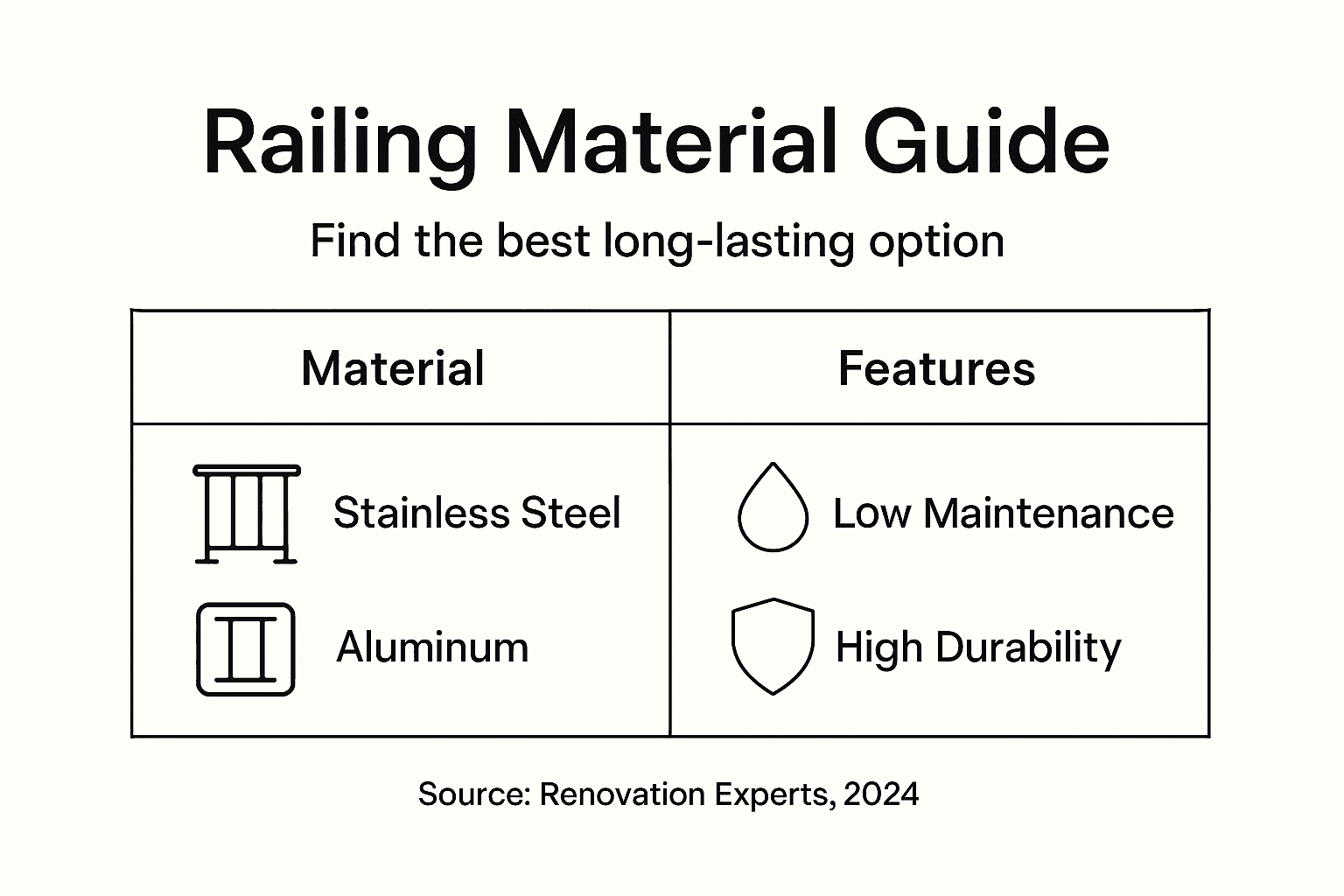
Stainless steel and aluminum represent the strongest performers for durability and minimal maintenance. Steel railings deliver exceptional strength and longevity, particularly when made from AISI 304 or 316 grades that resist corrosion from moisture and salt air. Aluminum offers lighter weight with good corrosion resistance but slightly less strength than steel. Both metals require coatings in harsh environments to maintain their appearance, though stainless steel performs exceptionally well without additional treatment in most conditions.
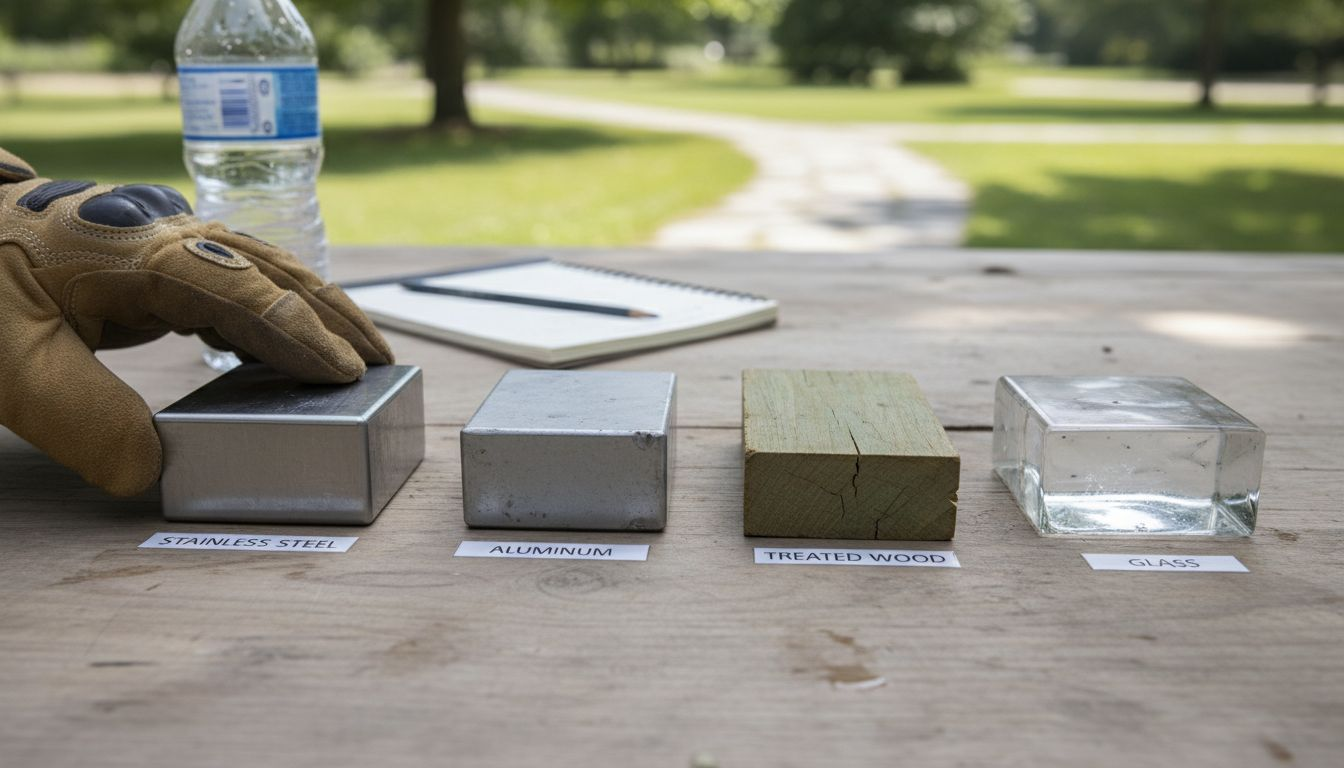
Wood creates beautiful aesthetics but demands serious commitment to maintenance. It requires regular treatment, staining, and sealing to prevent rot and insect damage, especially in Bulgaria’s variable climate. Unless you’re prepared for annual or biennial refinishing, wood may become a financial burden rather than an asset. Metal railings offer strength and low maintenance compared to wood options making them the practical choice for contractors seeking durability without constant upkeep.
Glass railings provide modern aesthetics and unobstructed views but must be tempered or laminated for safety compliance. They resist weather exposure well but require frequent cleaning to maintain visual appeal. PVC-based railing systems provide durable, weather-resistant options without the maintenance demands of wood and come in multiple colors for design flexibility. Vinyl resists corrosion and environmental degradation, making it suitable for balconies and decks with minimal upkeep.
For residential renovation projects in Bulgaria, stainless steel emerges as the superior choice. It combines strength, longevity, corrosion resistance, and minimal maintenance into one reliable package. You avoid the constant refinishing that wood demands and the cleaning requirements of glass while gaining the structural integrity that aluminum cannot fully match.
Here is a consolidated overview of popular railing materials for residential projects:
| Material | Durability & Strength | Maintenance Needs | Visual Impact |
|---|---|---|---|
| Stainless Steel | High corrosion resistance | Occasional cleaning only | Modern or classic |
| Aluminum | Good, lighter than steel | Minimal, may need coating | Contemporary, sleek |
| Wood | Moderate, can rot or warp | Regular sealing and staining | Warm and traditional |
| Glass | Weather-resistant, must be tempered | Frequent cleaning for clarity | Unobstructed views |
| Vinyl | Resists corrosion, color fades | Rare cleaning and checks | Flexible design |
Pro tip: Request material samples and expose them to your project’s specific environmental conditions for two to three weeks before committing to a final choice.
Step 3: Evaluate Design and Aesthetic Compatibility
Your railing choice involves more than just durability and function. The material you select must visually integrate with your building’s architectural style and complement the surrounding spaces. Taking time to evaluate aesthetic compatibility ensures your investment enhances rather than detracts from your property.
Start by examining your building’s existing design language. Are you working with a modern minimalist aesthetic, traditional European architecture, industrial conversion, or something in between? Your railing material should reinforce this visual identity. Metal railings can be styled from industrial to ornate, wood offers warmth and tradition, and glass provides transparency and modernity. Each material communicates a different design message to anyone viewing your space.
Consider the color palette and texture of surrounding surfaces. If your building features warm brick and timber elements, a sleek glass railing might feel disconnected. Conversely, ornamental stainless steel railings work beautifully against modern facades with clean lines. Look at adjacent materials, existing hardware finishes, and the overall visual weight of your architectural elements. Your railing should feel intentional, not like an afterthought.
Think about visual openness versus enclosure. Glass railings maintain sightlines and create an airy, spacious feeling while stainless steel solid sections provide more visual substance and privacy. For residential renovations in Bulgaria where properties often feature charming period details, railing design must harmonize safety performance with architectural style and visual integration. This balance between functional safety and aesthetic appeal determines whether your renovation looks professionally executed or hastily assembled.
Visual samples matter significantly here. Request actual material samples or visit completed projects that match your architectural style. Seeing how light interacts with different finishes and how colors appear in your specific lighting conditions prevents expensive surprises after installation.
Pro tip: Photograph your space in different lighting conditions and place material samples against your walls for several days to evaluate how they genuinely appear in your environment.
Step 4: Verify Safety and Compliance Standards
Before purchasing and installing your railings, you must verify that your chosen materials and design meet all applicable safety codes and standards. Skipping this step can result in project delays, costly modifications, or worse, safety failures that endanger users. Bulgaria has specific building codes, and your railing system must satisfy these requirements without exception.
Start by identifying the applicable standards for your project type. Residential balconies, stairs, and elevated areas all have specific height, strength, and spacing requirements. Top rails must meet specific height standards, withstand required force levels, and spacing must prevent falls through gaps. These specifications aren’t suggestions but legal requirements that protect occupants and shield you from liability.
Understand the structural requirements your railings must satisfy. Your chosen material needs to resist both static loads and dynamic impact forces. Metal railing systems must meet structural and safety performance criteria through standardized test methods that verify they work correctly when fastened to various surfaces. Stainless steel railings from reputable manufacturers come with test documentation proving compliance with these standards.
Work with your local building authorities early in the process. Request specific code requirements for your project location and building type. Different regions within Bulgaria may have varying regulations, and what works for one property might not satisfy requirements for another. This conversation prevents expensive rework and ensures smooth permit approval.
Request compliance documentation from your railing supplier. Legitimate manufacturers provide test certificates, installation guidelines, and safety data that demonstrate their products meet required standards. Never assume compliance based on appearance or marketing claims alone. Your supplier should confidently provide proof that their materials satisfy both Bulgarian building codes and international safety standards.
Use this reference table to review key safety and code compliance factors for railing selection:
| Safety Factor | Why It Matters | Common Bulgarian Standard |
|---|---|---|
| Minimum Height | Prevents accidental falls | 90-110 cm for guards |
| Spacing Between Bars | Avoids child entrapment | Max 12 cm gap |
| Load Resistance | Ensures structural performance | 0.5-1.0 kN horizontal force |
| Compliance Documents | Proves code adherence | Test certificates required |
Pro tip: Keep all safety documentation and compliance certificates with your project files for future reference, inspections, and any liability questions that might arise.
Step 5: Confirm Ease of Installation and Maintenance
Installation complexity and ongoing maintenance demands directly impact your project budget and long-term satisfaction. A material that seems affordable upfront can become expensive if installation requires specialized skills or maintenance consumes significant time and resources. Evaluate both factors carefully before committing to your choice.
Assess what installation truly requires for your selected material. Stainless steel railings from quality manufacturers often arrive ready to install with pre-drilled mounting points and clear assembly instructions. This modular approach minimizes labor costs and installation time. Wood railings typically demand skilled carpentry, precise measurements, and secure fastening methods. Vinyl and composite materials offer similar advantages to stainless steel, providing straightforward installation through component based systems that don’t require welding or specialized equipment.
Consider your contractor’s experience with different materials. If your installer has extensive experience with stainless steel but limited experience with wood, the labor costs for wood may spike unexpectedly. Match material choice to available expertise in your region. Bulgaria has growing familiarity with stainless steel systems, making these options increasingly accessible and cost effective for installation.
Understand the maintenance commitment each material demands. Wood needs regular sealing and checks for rot while vinyl and composite materials offer easier installation through modular components and lower maintenance requirements. Stainless steel requires minimal maintenance, typically just occasional cleaning with appropriate products. Maintenance planning should incorporate durable materials and designs that allow safe access for inspection and repair without dismantling major structures.
Request maintenance schedules and instructions from your supplier. Ask about cleaning procedures, protective treatments, and component replacement timelines. Factor these ongoing costs into your decision. A slightly more expensive material that requires minimal maintenance often costs less over 10 to 15 years than a cheaper option requiring constant refinishing and repairs.
Pro tip: Ask your railing supplier for references from customers who installed their railings 3 to 5 years ago and inquire specifically about actual maintenance requirements and costs they’ve experienced.
Choose Durable Stainless Steel Railings for Lasting Safety and Style
Selecting the right railing material is crucial to ensure long-lasting durability, compliance with safety standards, and aesthetic harmony as highlighted in the article. If you are facing challenges like balancing corrosion resistance with maintenance ease or matching modern design with local building codes, reliable stainless steel solutions provide a clear answer. Inoxify.bg specializes in top-grade stainless steel railings crafted from AISI 304 and 316, offering unmatched strength and low upkeep for both interior and exterior projects in Bulgaria.
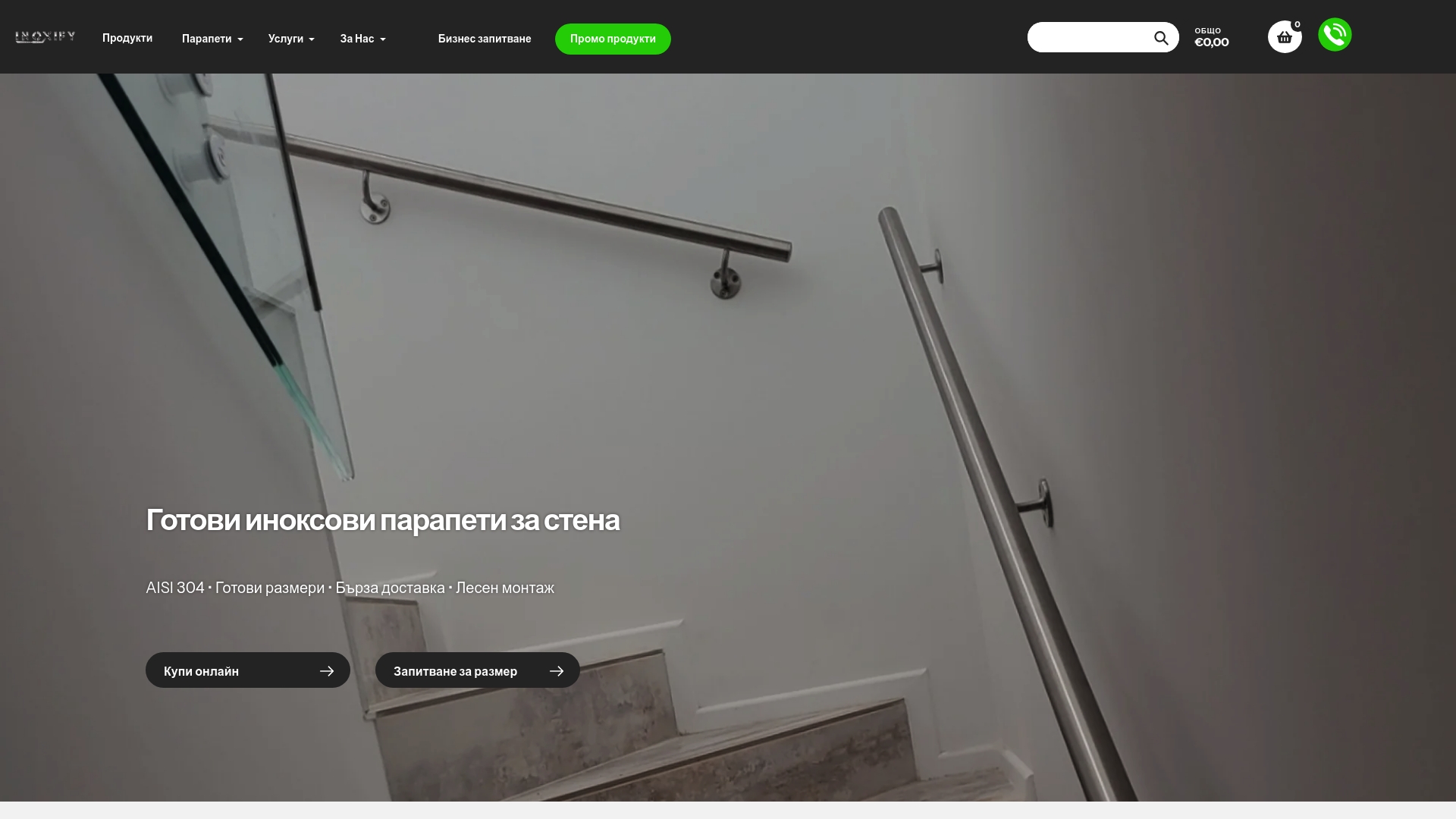
Don’t compromise your renovation or new build by settling for materials that demand constant upkeep or risk early wear. Discover our ready-to-install stainless steel railings and parapet systems designed to meet strict safety requirements and enhance architectural beauty. Take control of your project timeline and budget by choosing quality products manufactured locally with quick delivery. Visit Inoxify.bg now and experience a seamless path from selecting your model to installation.
Frequently Asked Questions
What factors should I assess before choosing railing materials?
Before selecting railing materials, assess your project’s specific safety needs, environmental conditions, and design goals. Take the time to document requirements like building codes, environmental exposure, and maintenance capacity to make an informed decision.
How do I compare the durability of different railing materials?
To compare durability, evaluate the performance of materials like stainless steel, aluminum, wood, glass, and vinyl against your specific project conditions. Create a comparison chart using factors such as corrosion resistance, maintenance needs, and strength, focusing on how long each material lasts under the proposed conditions.
What design elements should I consider when choosing railing materials?
When selecting railing materials, ensure they harmonize with your building’s architectural style and surrounding aesthetics. Examine color palettes, textures, and how materials will appear together in different lighting conditions to enhance overall visual appeal.
How can I verify that my chosen railings meet safety and compliance standards?
To confirm compliance, research the applicable safety codes for your railing type, including height and load resistance requirements. Consult local building authorities and request compliance documentation from your supplier to ensure your chosen materials adhere to necessary standards.
What installation challenges should I anticipate with various railing materials?
Installation challenges vary by material; for example, wood railings may require skilled carpentry, while stainless steel often comes pre-drilled for easier setup. Review the specific installation guidelines for each material type and consider the experience level of your contractor to avoid unexpected costs.
How can I plan for the maintenance of my selected railing materials?
Planning for maintenance involves understanding the upkeep needs of each material, such as cleaning schedules for stainless steel or sealing procedures for wood. Request maintenance instructions from your supplier to develop a realistic maintenance schedule that fits your capacity and reduces future repair costs.