

Railings Durability: The Real Impact of Material Choice
Most American stainless steel railings are renowned for lasting decades with minimal upkeep, setting a benchmark many Bulgarian architects and contractors now expect. In Bulgaria’s climate, where salty air and harsh winters quickly wear out lesser materials, durability and reliable corrosion resistance are vital. This guide highlights the crucial material science, performance data, and practical tips you need to confidently specify stainless steel railings that combine strength, style, and straightforward installation for every project.
Table of Contents
- What Makes Railings Durable and Reliable
- Types of Railings and Material Strength
- Stainless Steel Grades and Corrosion Resistance
- Design, Installation, and Structural Factors
- Maintenance Practices That Extend Lifespan
- Comparing Durability: Steel vs Alternatives
Key Takeaways
| Point | Details |
|---|---|
| Material Selection is Crucial | Choose railing materials like Stainless Steel or Aluminum for superior durability and low maintenance in varying Bulgarian climates. |
| Holistic Design Approach | Integrate material science with real-world expectations to enhance reliability and aesthetic value in railing systems. |
| Regular Maintenance is Essential | Implement systematic inspection and cleaning protocols to prolong the lifespan and performance of railings. |
| Request Certification Documentation | Always obtain detailed material certifications and stress test reports to ensure safety and durability standards. |
What Makes Railings Durable and Reliable
Understanding the durability and reliability of railings requires a comprehensive examination of multiple critical factors. Material selection plays a foundational role in determining how well a railing system will perform over time, especially in challenging architectural environments like Bulgaria’s diverse climate zones. Structural durability models help engineers predict component performance by accounting for operational stresses and material characteristics.
Three primary categories significantly influence railing reliability: material factors, environmental conditions, and load dynamics. Material factors include raw material composition, metallurgical properties, and manufacturing precision. For stainless steel railings, this means evaluating factors like chromium content, nickel percentage, and welding technique. Environmental factors encompass temperature variations, humidity levels, potential corrosive elements, and exposure to sunlight or industrial pollutants. Load factors involve understanding both static weight-bearing capacities and potential dynamic stresses from human movement, wind pressure, or seismic activities.
Successful railing design demands a holistic approach that integrates material science with real-world performance expectations. Advanced statistical methods now enable engineers to model potential degradation patterns, predicting lifetime performance with unprecedented accuracy. Key considerations include corrosion resistance, structural integrity under variable loads, and maintenance requirements. For Bulgarian architects and contractors, this means selecting railings that can withstand rapid temperature shifts, potential coastal salt exposure, and urban pollution while maintaining aesthetic appeal.
Pro tip: When selecting railings, request detailed material certifications and stress testing reports to ensure long-term performance and safety standards.
Types of Railings and Material Strength
Railing material selection is a critical engineering decision that directly impacts structural integrity, safety, and long-term performance. Various railing types present unique strengths and characteristics, each suited to specific architectural and environmental demands. Stainless steel, aluminum, wrought iron, and wood represent the primary material options, with each offering distinct advantages and potential limitations for Bulgarian construction projects.
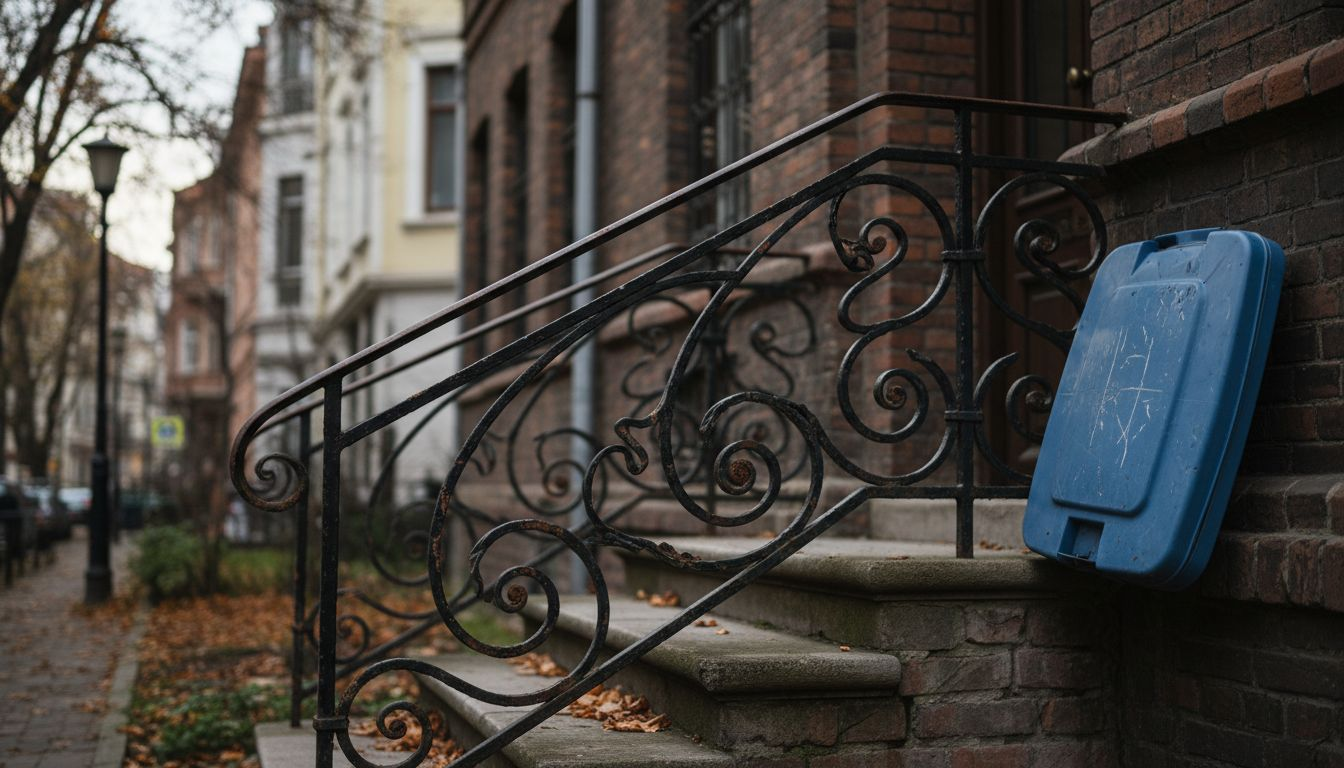
Wrought iron railings provide exceptional decorative potential and remarkable structural strength, making them ideal for traditional architectural settings. Their robust nature allows for intricate design elements while maintaining high load-bearing capacities. Aluminum railings represent a modern alternative, characterized by their lightweight composition, corrosion resistance, and minimal maintenance requirements. These railings excel in outdoor environments, particularly in coastal or industrial zones where salt exposure and environmental challenges are prevalent.
Stainless steel emerges as the premium choice for professional architectural applications, especially in Bulgaria’s diverse climate. Grades like AISI 304 and 316 offer superior corrosion resistance, exceptional strength-to-weight ratios, and remarkable durability. The metallurgical composition ensures resistance to temperature fluctuations, chemical exposure, and mechanical stresses. For Bulgarian architects and contractors, this translates to railings that maintain structural integrity across urban, coastal, and mountainous environments, with minimal degradation over extended periods.
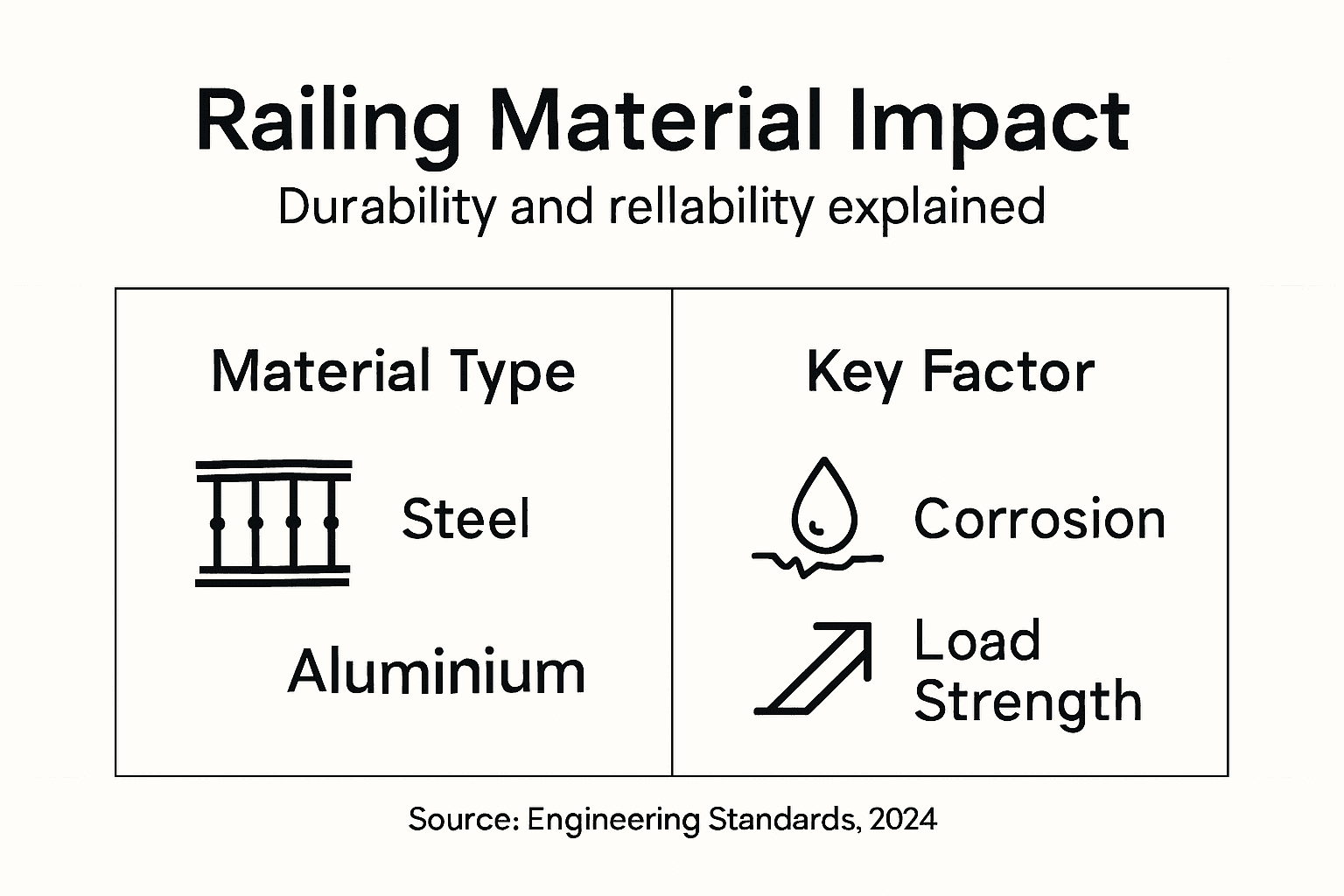
Pro tip: Always request metallurgical certifications and stress test reports when selecting railing materials to validate their actual performance characteristics and long-term reliability.
Here’s a summary comparing common railing materials by key attributes:
| Material | Corrosion Resistance | Maintenance Needs | Load-Bearing Strength |
|---|---|---|---|
| Stainless Steel | Excellent, especially 316 | Low, periodic cleaning | High, robust in harsh settings |
| Aluminum | Very good, no rust | Minimal, periodic checks | Moderate, lightweight |
| Wrought Iron | Moderate, prone to rust | High, frequent painting | Very high, supports intricate designs |
| Wood | Poor, easily degraded | High, sealing and repairs | Low to moderate |
Stainless Steel Grades and Corrosion Resistance
Understanding the nuanced world of stainless steel grades requires deep insight into their corrosion resistance mechanisms. The fundamental protection mechanism relies on a remarkable self-healing passive chromium oxide film that forms spontaneously, creating an invisible shield against environmental degradation. This microscopic layer represents the core difference between standard steel and stainless steel, transforming ordinary metal into a highly resilient material capable of withstanding challenging conditions.
Stainless steel grades are strategically classified based on their alloying elements and intended environmental applications. AISI 304 and 316 represent the most common grades, with critical differences in their composition and performance characteristics. AISI 304 offers excellent corrosion resistance in standard atmospheric conditions, while AISI 316 provides superior protection in marine and chloride-rich environments. The addition of molybdenum in 316 grade significantly enhances its resistance to pitting and crevice corrosion, making it the preferred choice for coastal installations, industrial settings, and environments with high salt exposure.
The scientific classification of stainless steel’s corrosion resistance involves complex metallurgical considerations. Corrosion resistance classes range from Class I to Class V, with higher classes indicating enhanced resistance to aggressive environmental conditions. For Bulgarian architects and contractors, this means selecting materials that can withstand diverse challenges from urban pollution to coastal salt spray. The metallurgical composition, including percentages of chromium, nickel, and molybdenum, directly determines a grade’s ability to resist deterioration and maintain structural integrity over extended periods.
Pro tip: Request detailed metallurgical test reports that specify the precise corrosion resistance class and environmental performance characteristics before selecting a specific stainless steel grade for your project.
This overview explains how stainless steel grades perform in different environments:
| Grade | Key Alloy Elements | Best Used In | Relative Durability |
|---|---|---|---|
| AISI 304 | Chromium, Nickel | Indoor and standard outdoor | High in mild conditions |
| AISI 316 | Adds Molybdenum | Coastal or industrial zones | Superior in harsh settings |
| Other Standard Grades | Varies | Applications with lower risk | Moderate to low depending on exposure |
Design, Installation, and Structural Factors
Railing design and installation represent a complex engineering challenge that goes far beyond aesthetic considerations. Bridge railing performance demands meticulous attention to load distribution, structural integrity, and comprehensive safety standards. For Bulgarian architects and contractors, this means understanding how each design element contributes to overall system reliability, from post placement to material selection and connection methodology.
Structural analysis involves multiple critical dimensions beyond basic load-bearing capacity. Load transfer mechanisms, connection point strength, and environmental stress resistance are fundamental considerations that determine long-term performance. Key structural factors include precise post anchoring techniques, understanding yield line potential, and calculating potential impact forces. Deck overhang design plays a crucial role in managing stress distribution, particularly in areas experiencing significant thermal expansion, wind loading, or seismic activity.
Modern railing design integrates sophisticated engineering principles with advanced computational modeling. Updated safety standards now require comprehensive crash testing and design simulations to validate structural performance. For Bulgarian projects, this translates to selecting railing systems that can withstand diverse environmental challenges, from urban pollution to coastal salt exposure. Considerations include material compatibility, thermal expansion coefficients, connection joint design, and potential fatigue points that might compromise long-term structural integrity.
Pro tip: Always conduct comprehensive site-specific structural analysis and request detailed engineering specifications before finalizing railing installation to ensure maximum safety and performance.
Maintenance Practices That Extend Lifespan
Maintaining railings requires a strategic approach that balances preventative care with proactive monitoring. Railing maintenance techniques emphasize regular cleaning, thorough inspections, and timely interventions to preserve structural integrity and aesthetic quality. For Bulgarian architects and contractors, this means developing a systematic approach that addresses environmental challenges specific to different installation contexts, from urban landscapes to coastal environments.
Cleaning protocols represent the first line of defense against potential degradation. Stainless steel railings demand specialized cleaning methods that remove dirt, prevent salt and mineral buildup, and protect the passive chromium oxide layer. This involves using non-abrasive cleaning solutions, microfiber cloths, and avoiding harsh chemical agents that might compromise the metal’s protective surface. Routine inspections should focus on detecting early signs of corrosion, loose fittings, structural stress points, and potential paint or coating imperfections that could accelerate material deterioration.
Advanced maintenance strategies now integrate data analytics and sensor technologies to predict potential failures before they occur. Modern monitoring approaches use predictive maintenance models that track environmental stress, material fatigue, and performance indicators. For Bulgarian projects, this translates to implementing condition-based maintenance schedules that minimize downtime, reduce long-term repair costs, and ensure continuous structural reliability. Professional training for maintenance personnel becomes crucial, enabling them to recognize subtle indicators of potential structural compromises and implement timely corrective actions.
Pro tip: Develop a comprehensive maintenance log documenting each inspection, cleaning procedure, and observed condition to create a historical performance record for your railing systems.
Comparing Durability: Steel vs Alternatives
Selecting the optimal railing material requires a comprehensive understanding of performance characteristics across different environments. Steel railings demonstrate superior durability compared to alternative materials, offering exceptional resistance to impact, weather exposure, and long-term structural integrity. For Bulgarian architects and contractors, this means critically evaluating material properties beyond initial aesthetic appeal, focusing on performance metrics that ensure safety and longevity.
Comparative material analysis reveals distinct advantages and limitations of various railing options. Stainless steel stands out with its self-healing oxide layer, providing inherent corrosion resistance that significantly reduces maintenance requirements. In contrast, wood presents substantial vulnerabilities, including susceptibility to moisture, insect damage, and rapid structural degradation. Aluminum offers lightweight and corrosion-resistant properties but lacks the robust strength characteristic of steel alloys. Wrought iron, while aesthetically pleasing, demands intensive maintenance and demonstrates higher vulnerability to environmental stressors.
Environmental adaptability becomes a crucial consideration in material selection. Steel railings excel in diverse Bulgarian contexts, from coastal regions with high salt exposure to urban environments with significant temperature fluctuations. The metallurgical composition of high-grade stainless steel enables superior performance across challenging conditions, maintaining structural integrity and aesthetic quality. Professional engineers increasingly prioritize materials that offer predictable long-term performance, with stainless steel variants providing the most comprehensive combination of strength, durability, and minimal maintenance requirements.
Pro tip: Request detailed environmental performance data and accelerated aging test results when comparing railing materials to make informed, scientifically validated selection decisions.
Ensure Lasting Safety and Elegance with High-Quality Stainless Steel Railings
Choosing the right railing material is a critical decision that impacts your project’s long-term durability, safety, and aesthetic appeal. As detailed in the article, challenges like corrosion resistance, load-bearing strength, and environmental stress require expert solutions crafted from superior materials such as AISI 304 and 316 stainless steel. Avoid costly repairs and frequent maintenance by selecting railings designed to withstand Bulgaria’s unique climate conditions and urban pollution.
Discover how our ready-made and custom stainless steel balustrades offer reliable performance with minimal upkeep. At Inoxify.bg, we specialize in premium stainless steel railing systems that combine robustness with modern design, ensuring your architectural vision remains intact for years to come.

Take the next step toward a safer and more durable railing solution by exploring our range of stainless steel railings and parapets. Benefit from quick delivery, expert local manufacturing, and easy installation guidance tailored for contractors and individual customers alike. Don’t wait for corrosion or wear to compromise your project’s integrity Act now to secure railings that meet the highest standards of reliability and beauty.
Frequently Asked Questions
What materials are commonly used for railings and how do they compare in terms of durability?
Stainless steel, aluminum, wrought iron, and wood are the primary materials used for railings. Stainless steel offers excellent corrosion resistance and strength, making it highly durable. Aluminum is lightweight and resistant to corrosion but has moderate load-bearing strength. Wrought iron provides high structural strength but requires regular maintenance to prevent rust. Wood is less durable and susceptible to moisture damage, making it less reliable for long-term use.
How does corrosion resistance impact railing durability?
Corrosion resistance significantly affects railing durability by preventing material degradation caused by environmental factors such as moisture, salt, and pollutants. Stainless steel grades, particularly AISI 316, are designed for enhanced corrosion resistance, especially in coastal areas, ensuring that railings maintain their structural integrity and aesthetic appeal over time.
What are the maintenance requirements for different railing materials?
Maintenance needs vary by material: stainless steel requires periodic cleaning to prevent dirt and corrosion buildup; aluminum requires minimal upkeep; wrought iron needs regular painting to protect against rust; and wood requires sealing and repairs to combat moisture and insect damage. Proper maintenance is crucial for extending the lifespan of railings regardless of material.
How do environmental factors influence the choice of railing materials?
Environmental factors such as temperature fluctuations, humidity, and exposure to harsh chemicals or salt significantly influence the selection of railing materials. Materials with high corrosion resistance and durability, like stainless steel, are preferable in challenging environments, whereas other materials may perform poorly and require more frequent maintenance in such conditions.