

6 вида парапети за стълбища: Практично ръководство за архитекти
Изборът на парапет за стълбище може да се превърне в истинско предизвикателство, когато трябва да съчетаете стил, сигурност и дълготрайност. Всеки материал предлага различни предимства, а правилният избор има дългосрочно значение за визията и безопасността във вашия дом или бизнес пространство.
Тук ще откриете практически съвети и конкретни насоки, които ще ви помогнат да изберете най-подходящия парапет според нуждите и вкуса ви. Ще научите кои са най-ефективните решения и какви характеристики да търсите, за да съчетаете красота и надеждност. Очакват ви подробности за модерни и класически варианти, техните уникални качества и как да извлечете най-доброто от всяка възможност.
Съдържание
- 1. Инокс парапети – съвременен стандарт за качество
- 2. Парапети със стъклени пълнежи – за модерна визия и светлина
- 3. Метални парапети – класика и дълготрайност
- 4. Дървени парапети – топлина и традиция в интериора
- 5. Комбинирани парапети – съчетаване на материали за индивидуален стил
- 6. Парапети със специално предназначение – решения за обществено ползване
Бърз обзор
| Ключово послание | Обяснение |
|---|---|
| 1. Изберете инокс парапети за дълготрайност | Неръждаемата стомана осигурява устойчивост и запазва визията си десетилетия. |
| 2. Стъклените парапети увеличават светлината | Те максимизират естественото осветление и предлагат минималистичен дизайн. |
| 3. Металните парапети са нископоддържащи | Те изискват малко поддръжка и са универсални за различни стилове. |
| 4. Дървените парапети внасят уют | Топлината и индивидуалността на дървото създават комфорт в интериора. |
| 5. Специализирани парапети за безопасност | Те са проектирани по международни стандарти за безопасност в обществени места. |
1. Инокс парапети – съвременен стандарт за качество
Иноксовите парапети представляват модерно техническо решение, което съчетава функционалност, безопасност и естетика за архитектурни проекти. Стоманените парапети от неръждаема стомана са станали предпочитан избор при публични и жилищни обекти поради своята изключителна устойчивост и дълготрайност.
При съвременните архитектурни стандарти качеството на металните парапети се определя от няколко ключови критерия: корозионна устойчивост, механична якост и естетически характеристики. Неръждаемата стомана от клас AISI 304 и 316 гарантира максимална защита срещу атмосферни влияния и механични натоварвания.
Основните предимства на иноксовите парапети включват:
Дълготрайност: Материалът не се поврежда лесно и запазва първоначалния си вид десетилетия наред. Хигиеничност: Гладката повърхност не задържа прах и микроорганизми. Адаптивност: Подходящи са за различни интериорни и екстериорни пространства.
Професионален съвет: При избор на инокс парапет винаги проверявайте сертификатите за качество и дебелината на профила, което гарантира надеждност и безопасност.
2. Парапети със стъклени пълнежи – за модерна визия и светлина
Стъклените парапети са съвременно архитектурно решение, което преобразява вертикалните комуникационни пространства чрез елегантност и функционалност. Модерните стъклени парапети създават усещане за простор и максимизират естественото осветление в интериорните пространства.
Основните предимства на стъклените парапети включват:
Визуална лекост: Създават wraparound ефект, който разширява възприятието за пространство. Светлинна проводимост: Позволяват преминаването на повече естествена светлина. Минималистичен дизайн: Подхождат на съвременни и индустриални интериорни концепции.
При избора на стъклен парапет архитектите трябва да обърнат внимание на два основни типа стъкло:
Темперирано стъкло: • По-устойчиво на механични натоварвания • Висока степен на безопасност • Подходящо за обществени сгради
Ламинирано стъкло: • Многослойна конструкция • Допълнителна защита при счупване • Препоръчително за жилищни сгради
Професионален съвет: Винаги консултирайте се с експерт за точните изисквания към стъклените парапети според конкретния архитектурен проект и приложение.
3. Метални парапети – класика и дълготрайност
Металните парапети са класическо архитектурно решение, което съчетава функционалност, издръжливост и естетическа опростеност. Те представляват надеждна защитна система за стълбища, които могат да издържат интензивни натоварвания и различни атмосферни условия.
Основните предимства на металните парапети включват:
Механична устойчивост: Висока товароносимост и дълготрайност. Универсалност: Подходящи за различни архитектурни стилове. Ниска поддръжка: Лесни за почистване и запазване на първоначалния вид.
При металните парапети архитектите трябва да диференцират между различни материали:
Неръждаема стомана: • Корозионна устойчивост • Модерен външен вид • Подходяща за екстериорни и интериорни пространства
Поцинкована стомана: • По ниска цена • Защита срещу корозия • Подходяща за индустриални проекти
Професионален съвет: Изберете метален парапет с покритие, което съответства на специфичните експлоатационни условия и естетически изисквания на конкретния архитектурен проект.
4. Дървени парапети – топлина и традиция в интериора
Дървените парапети са архитектурен елемент, който въплъщава топлина, уют и естествена красота в интериорните пространства. Съвременните стандарти за дървени парапети определят естетическите и функционални изисквания към тези класически архитектурни решения.
Основните предимства на дървените парапети включват:
Естетическа стойност: Естествен материал с топъл и елегантен вид. Индивидуалност: Възможност за персонализация и уникален дизайн. Топлина: Създават усещане за уют и комфорт в интериора.
При избора на дървен парапет архитектите трябва да разгледат различни дървесни видове:
Дъб: • Висока твърдост • Естествена устойчивост • Класически външен вид
Бук: • Еднородна структура • Добра обработваемост • Подходящ за модерни интериори
Професионален съвет: При избора на дървен парапет задължително проверявайте качеството на дървесината и нейната обработка, за да гарантирате дълготрайност и безопасност.
5. Комбинирани парапети – съчетаване на материали за индивидуален стил
Комбинираните парапети са модерно архитектурно решение, което позволява творческо съчетаване на различни материали за постигане на уникален стил и функционалност. Съвременните интериорни тенденции подчертават значението на материалния контраст и синергия.
Основните предимства на комбинираните парапети включват:
Визуална динамика: Създаване на многослоен и интересен дизайн. Индивидуалност: Възможност за персонализация на интериорното пространство. Функционалност: Съчетаване на различни качества на материалите.
Най често срещаните комбинации включват:
Стъкло и неръждаема стомана: • Прозрачност и лекота • Модерен естетически вид • Подходящи за минималистични интериори
Дърво и метал: • Топлина и индустриален характер • Съчетаване на традиция и съвременност • Подходящи за разнообразни жилищни пространства
Професионален съвет: При проектирането на комбиниран парапет обърнете специално внимание на цветовата хармония и съотношението между различните материали.
6. Парапети със специално предназначение – решения за обществено ползване
Парапетите със специално предназначение са високотехнологични решения, проектирани за безопасност и функционалност в обществени пространства с интензивно движение. Съвременните системи за парапети са инженерно разработени да отговарят на строги международни стандарти за безопасност.
Основните характеристики на тези парапети включват:
Висока издръжливост: Устойчивост на големи натоварвания. Модулност: Лесна адаптация към различни архитектурни пространства. Безопасност: Пълно съответствие с нормативните изисквания.
Специфичните приложения обхващат:
Училища и образователни институции: • Устойчивост на механични повреждания • Безопасни заоблени ръбове • Лесно почистване и поддръжка
Болнични заведения: • Хигиенични повърхности • Антибактериални материали • Универсален дизайн за достъпност
Професионален съвет: При избора на парапет за обществени пространства винаги проверявайте съответствието с местните строителни норми и стандарти за безопасност.
Таблицата по-долу обобщава основните точки и предимствата на различните видове парапети, разгледани в статията, с подробности за материалите, характеристиките и приложението.
| Тип парапет | Основни характеристики | Предимства |
|---|---|---|
| Иноксови парапети | Устойчиви на корозия, изработени от висококачествена стомана | Дълготрайност, хигиеничност, адаптивност |
| Стъклени парапети | Изработени от темперирано или ламинирано стъкло | Визуална лекота, светлинна проводимост, минималистичен дизайн |
| Метални парапети | Включват неръждаема или поцинкована стомана | Механична устойчивост, универсалност, лесна поддръжка |
| Дървени парапети | Прилагат се с различни видове дървесина, като дъб и бук | Естетическа стойност, топлина, индивидуалност |
| Комбинирани парапети | Съчетание на материали като стъкло с метал и дърво | Визуална динамика, уникален дизайн, функционалност |
| Специални парапети | Проектирани за обществени пространства, като училища и болници | Висока издръжливост, модулност, съответствие с нормативните изисквания |
Изберете надеждни парапети за вашия проект с Inoxify
Стълбищата са не само функционален елемент, но и важно архитектурно изявление. В статията научихте как различните видове парапети могат да съчетаят безопасност, естетика и устойчивост. За да превърнете идеите в реалност и да осигурите максимална издръжливост и стил изберете от готовите решения на Inoxify. Нашите готови колонки от неръждаема стомана са проектирани да отговорят точно на изискванията за сигурност и модерен дизайн.
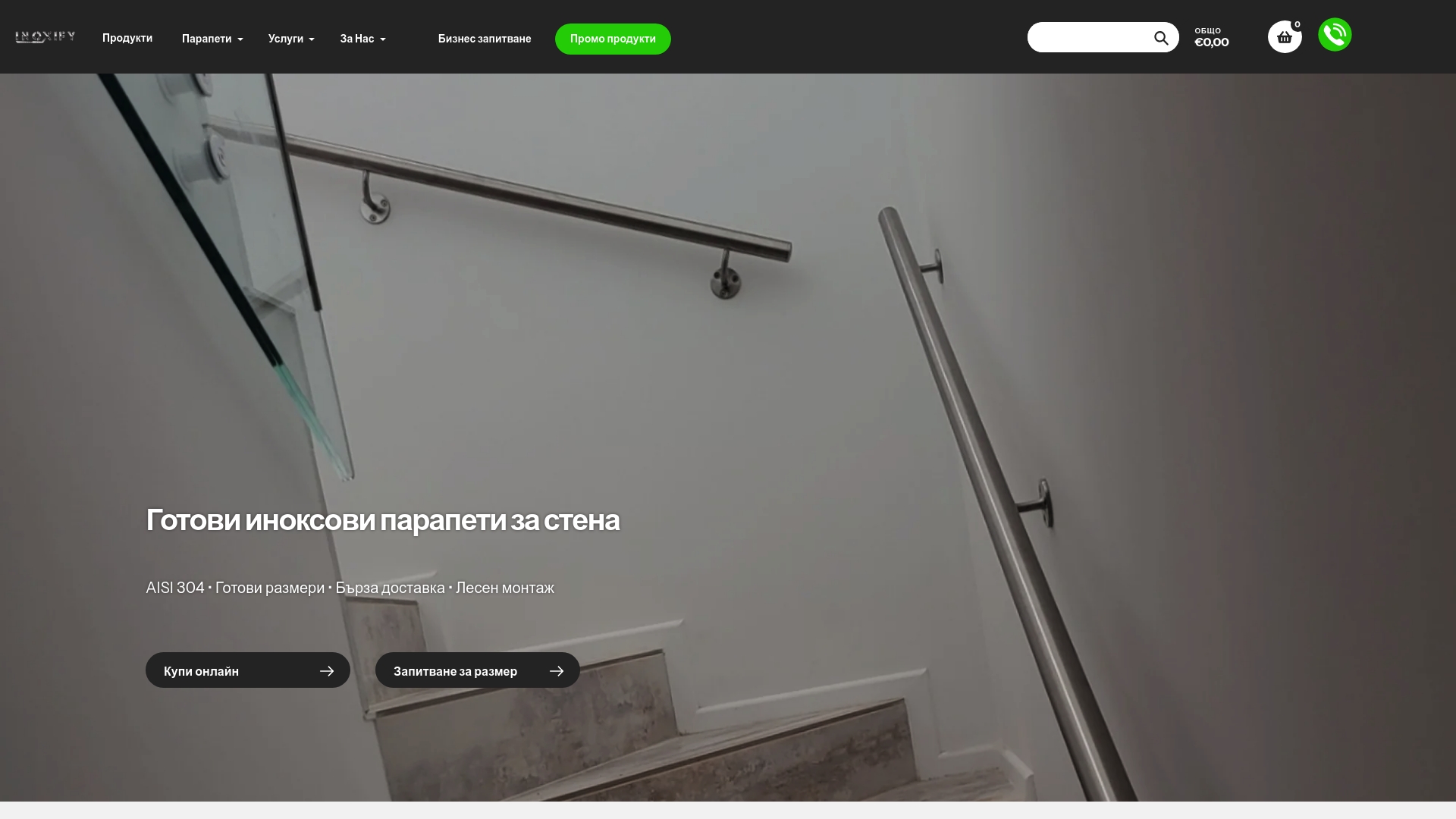
Доверете се на висококачествени материали като AISI 304 и 316 за дълготрайност без компромис. В ИноксФай може да намерите не само цялостни решения, но и конектори за лесен монтаж и персонализация. Вижте нашите предложения още сега на Inoxify.bg и направете стълбището във вашия проект удобно и визуално впечатляващо. Започнете днес с решението, на което можете да разчитате!
За пълен преглед разгледайте всички парапети за стълби от Inoxify — сравнение по материал, цени и нормативни изисквания.
Често задавани въпроси
Какви са основните предимства на инокс парапетите за стълбища?
Инокс парапетите предлагат дълготрайност, хигиеничност и адаптивност. Изберете инокс парапет с дебелина на профила, която гарантира надеждност и безопасност.
Какви са разликите между стъклените парапети и металните парапети за стълбища?
Стъклените парапети осигуряват визуална лекост и максимизират естествената светлина, докато металните парапети предлагат механична устойчивост и ниска поддръжка. Идентифицирайте нуждите на проекта, за да изберете най-подходящия вариант.
Как да избера правилния материал за парапети на обществено ползване?
Изборът на материал трябва да е базиран на изискванията за безопасност и издръжливост. Препоръчително е да се изберат парапети, които отговарят на международните стандарти за безопасност и хигиеничност.
Какви стилове на комбинирани парапети мога да внедря в проектите си?
Комбинираните парапети могат да съчетават стъкло и неръждаема стомана или дърво и метал. Разработете дизайн, който съчетава тези материали, за да постигнете уникален и функционален стил.
Как да осигуря безопасността на парапетите в училища и болници?
За безопасността на парапетите в училища и болници е важно да изберете материали с антибактериални свойства и заоблени ръбове. Адаптирайте дизайна, за да отговаря на нуждите на потребителите и да осигурява лесно почистване.
Как мога да персонализирам дървените парапети в интериорен проект?
Дървените парапети могат да бъдат индивидуализирани чрез избор на различни видове дървесина и специфични дизайни. Изследвайте опциите за обработка на дървесината, за да подсигурите дълготрайност и стил.
Свързани страници в Inoxify
Разгледайте нашите специализирани секции за оферти, цени с монтаж и техническа информация:
- Парапети – главна
- Парапети за тераси
- Парапети за стълбища
- Иноксови парапети за тераса
- Иноксови парапети за стълбище