

Top railing safety tips for secure and stylish spaces
TL;DR:
- Stainless steel is the safest and most durable material for Bulgarian railings, especially in harsh climates.
- Compliance with local building codes ensures safety and avoids legal and insurance issues.
- Proper installation and regular maintenance are essential for long-term railing safety and performance.
Every year, falls from poorly secured railings cause thousands of preventable injuries across Europe, and Bulgaria is no exception. Whether you are renovating an older apartment building or fitting out a brand-new terrace, the railings you choose and how you install them directly affect the safety of everyone who uses that space. Many homeowners and contractors focus on looks first and compliance second, which is a costly mistake. This article walks you through four practical areas where smart decisions protect people, meet legal requirements, and still deliver the clean, modern aesthetic that today’s properties demand.
Table of Contents
- Evaluate railing materials for maximum safety
- Follow local building codes and regulations
- Ensure strong installation and proper anchoring
- Prioritize ongoing inspection and maintenance
- Why overlook aesthetics? Safety and style go hand in hand
- Enhance safety and style with Inoxify solutions
- Frequently asked questions
Key Takeaways
| Point | Details |
|---|---|
| Choose durable materials | Stainless steel offers the best mix of safety, longevity, and style for residential and commercial railings. |
| Comply with regulations | Adhering to Bulgarian building codes ensures legal compliance and protects users from preventable accidents. |
| Focus on installation quality | Proper anchoring and professional fitting are essential for the structural safety of your railings. |
| Maintain regularly | Regular inspections and prompt repairs keep railings safe and beautiful for years to come. |
| Integrate design with safety | You don’t have to sacrifice modern aesthetics for security—choose railings that deliver both. |
Evaluate railing materials for maximum safety
With the importance of safety established, the choice of railing material is the foundation of any secure installation. Not all materials perform equally, and the differences matter more than most people realize.
Choosing the right railing material is crucial for safety and longevity, and stainless steel consistently outperforms alternatives in real-world conditions. Here is how the main options compare:
- Stainless steel (inox): High impact strength, fully corrosion-resistant, minimal maintenance, and available in grades suited to any environment. Works indoors and outdoors without degrading.
- Wood: Warm appearance but susceptible to rot, warping, and insect damage. Requires regular sealing and repainting, and structural integrity can decline quickly in wet conditions.
- Aluminum: Lightweight and rust-resistant, but softer than steel and more prone to bending under heavy impact. Suitable for light-duty applications but less reliable for high-traffic areas.
- Glass: Visually striking and popular for modern designs, but requires a strong steel or aluminum frame to be structurally sound. Glass panels alone cannot bear load.
For Bulgarian conditions, stainless steel is the preferred choice for both indoor staircases and outdoor balconies. The country’s climate includes cold winters with road salt near coastal and urban areas, which accelerates corrosion in lower-grade metals. Understanding material grades in railings is essential here. AISI 304 grade steel handles most interior and sheltered exterior applications well. AISI 316 grade adds molybdenum to the alloy, making it significantly more resistant to chlorides and salt air, so it is the right call for seaside properties or areas where de-icing chemicals are used.
Practical factors also include the presence of children, pets, and heavy daily use. Stainless steel does not splinter, does not require toxic coatings, and holds its shape under repeated stress. Reviewing railing maintenance basics before purchasing helps you understand the long-term upkeep each material demands.
Pro Tip: Ask your supplier for the material certificate (also called a mill certificate) before purchasing. Reputable manufacturers provide documentation confirming the exact steel grade. Without it, you cannot verify whether you are getting AISI 304 or a cheaper, lower-grade alternative.
Follow local building codes and regulations
After choosing the right material, compliance with official codes is the next essential step. In Bulgaria, building regulations set specific minimum requirements for railings, and ignoring them creates both safety risks and legal liability.
Building codes specify critical safety dimensions for railings, and these are not suggestions. Here are the key requirements you need to know:
- Minimum railing height for stairs: At least 90 cm measured vertically from the stair nosing or walking surface.
- Minimum height for balconies and terraces: At least 100 to 105 cm, depending on building type and floor level. Higher floors may require taller parapets.
- Maximum baluster spacing: Gaps between vertical balusters must not exceed 10 cm, which prevents a child’s head from becoming trapped.
- Climbability restrictions: Horizontal rails that act as footholds are prohibited in areas accessible to children. Vertical or angled designs are required instead.
- Load-bearing capacity: Railings must withstand a minimum horizontal force of 1 kN per meter (roughly the force of a person leaning hard against the rail).
“A railing that looks solid but fails a code inspection is a liability, not an asset. Contractors who skip compliance checks risk project delays, fines, and, in the worst case, personal legal responsibility if someone is injured.” — Railing installation specialist
For homeowners, non-compliant railings can also affect property insurance and resale value. Buyers and inspectors increasingly check railing code compliance as a standard part of property assessments. The simplest way to verify compliance during installation is to use a calibrated measuring tape for heights and a 10 cm diameter test gauge for baluster spacing. Document everything with photos before finishing is applied.
Ensure strong installation and proper anchoring
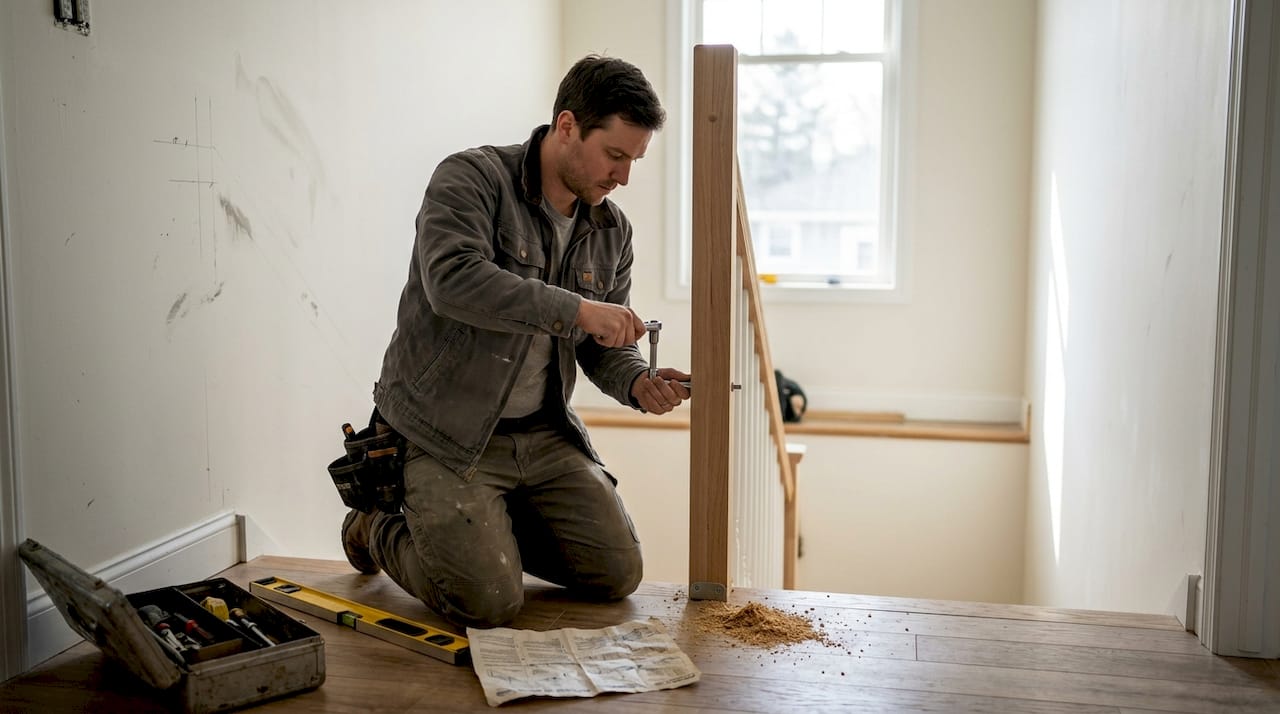
Even with code-compliant, quality materials, the method of installation determines if your railings actually protect you. Poor anchoring is the single most common cause of railing failure in existing buildings.
Proper installation is as critical as material choice for railing safety. Common installation mistakes include:
- Loose or under-tightened brackets that allow movement under load
- Spans between posts that are too long, causing the rail to flex
- Using wall plugs designed for lightweight fixtures in load-bearing applications
- Failing to account for substrate type (concrete, brick, or drywall each require different fasteners)
- Skipping a torque check after installation, which means you cannot confirm fasteners are tight
Anchoring systems generally fall into three categories. Wall-mounted anchoring fixes posts directly into the wall surface, which works well for staircase railings along a wall. Floor-mounted anchoring sets posts into the floor or deck, providing excellent stability for open balconies and terraces. Hybrid systems combine both, which is common for glass parapet installations where the frame needs support at multiple points.
| Anchoring type | Best use | Key advantage | Key limitation |
|---|---|---|---|
| Wall-mounted | Interior stairs, corridors | Space-saving, clean look | Depends on wall strength |
| Floor-mounted | Terraces, balconies | Maximum stability | Requires solid substrate |
| Hybrid | Glass parapets, high-load areas | Distributes force evenly | More complex installation |
For post-installation maintenance, always re-torque fasteners after the first 30 days of use, since materials settle slightly under load. Signs of poor installation include visible movement when you push the rail with both hands, squeaking or clicking sounds, and visible gaps between the base plate and the mounting surface.
Pro Tip: In high-traffic areas such as commercial staircases or public terraces, always engage a licensed installer and request a signed load-test certificate. This protects you legally and confirms the railing meets its rated capacity.
Prioritize ongoing inspection and maintenance
Once your railing is installed, proactive care is the key to keeping it safe for years. Many railing failures happen not at installation but months or years later, when small issues go unnoticed.
Regular maintenance extends railing life and avoids hidden dangers. A simple schedule works best:
- Monthly: Visually scan all railings for obvious damage, rust spots, or loose components. Takes less than five minutes per railing run.
- Quarterly: Physically test each post and handrail by applying firm lateral pressure. Check all visible fasteners for tightness. Clean surfaces with a mild detergent and soft cloth.
- Annually: Conduct a full inspection covering finish integrity, bracket condition, and any signs of corrosion beneath surface coatings. Consider a professional assessment for older installations.
For inspection and cleaning specifics on stainless steel, avoid abrasive pads or chlorine-based cleaners. These scratch the passive oxide layer that gives stainless steel its corrosion resistance. Use warm water, a small amount of dish soap, and a microfiber cloth. Rinse thoroughly and dry to prevent water spots.
| Common issue | Potential effect | Recommended action |
|---|---|---|
| Surface rust spots | Weakens steel over time | Clean with oxalic acid solution, re-passivate |
| Loose base plate | Post instability under load | Re-torque or replace fasteners immediately |
| Scratched finish | Corrosion entry point | Polish and apply protective coating |
| Wobbly handrail | Risk of grip failure | Inspect all connections, tighten or replace |
| Cracked weld | Structural weakness | Professional repair required, do not delay |
Well-maintained railings also affect resale value and insurance compliance. Insurers increasingly request evidence of regular maintenance for properties with elevated terraces or public access staircases. A simple maintenance log costs nothing and provides real protection.
Why overlook aesthetics? Safety and style go hand in hand
There is a persistent misconception that safe railings must look industrial or bulky. This thinking leads some homeowners to choose decorative but structurally weak options, or to over-engineer systems that look out of place in a modern interior. Both outcomes are avoidable.
Stainless steel’s tensile strength is actually what enables minimalist design. Because the material is strong, profiles can be thinner, spans can be wider, and glass infill panels can replace solid balusters without sacrificing protection. The result is a railing that feels open and light while meeting every structural requirement.
The smartest investments in any renovation are the ones that perform two jobs at once. A well-chosen parapet or railing system adds measurable value to a property, not just safety. Real estate professionals in Bulgaria consistently note that modern, well-finished railings improve buyer perception and support higher asking prices. Exploring sustainable railing materials also shows that stainless steel’s long service life makes it one of the most resource-efficient choices over a 20-year horizon. Safety and aesthetics are not competing priorities. They reinforce each other when you choose the right system.
Enhance safety and style with Inoxify solutions
Bringing together safety and style, it is time to choose a partner for your project. Inoxify.bg produces stainless steel railing systems locally in Bulgaria, which means faster delivery, tighter quality control, and direct access to specialists who understand local building codes and conditions.
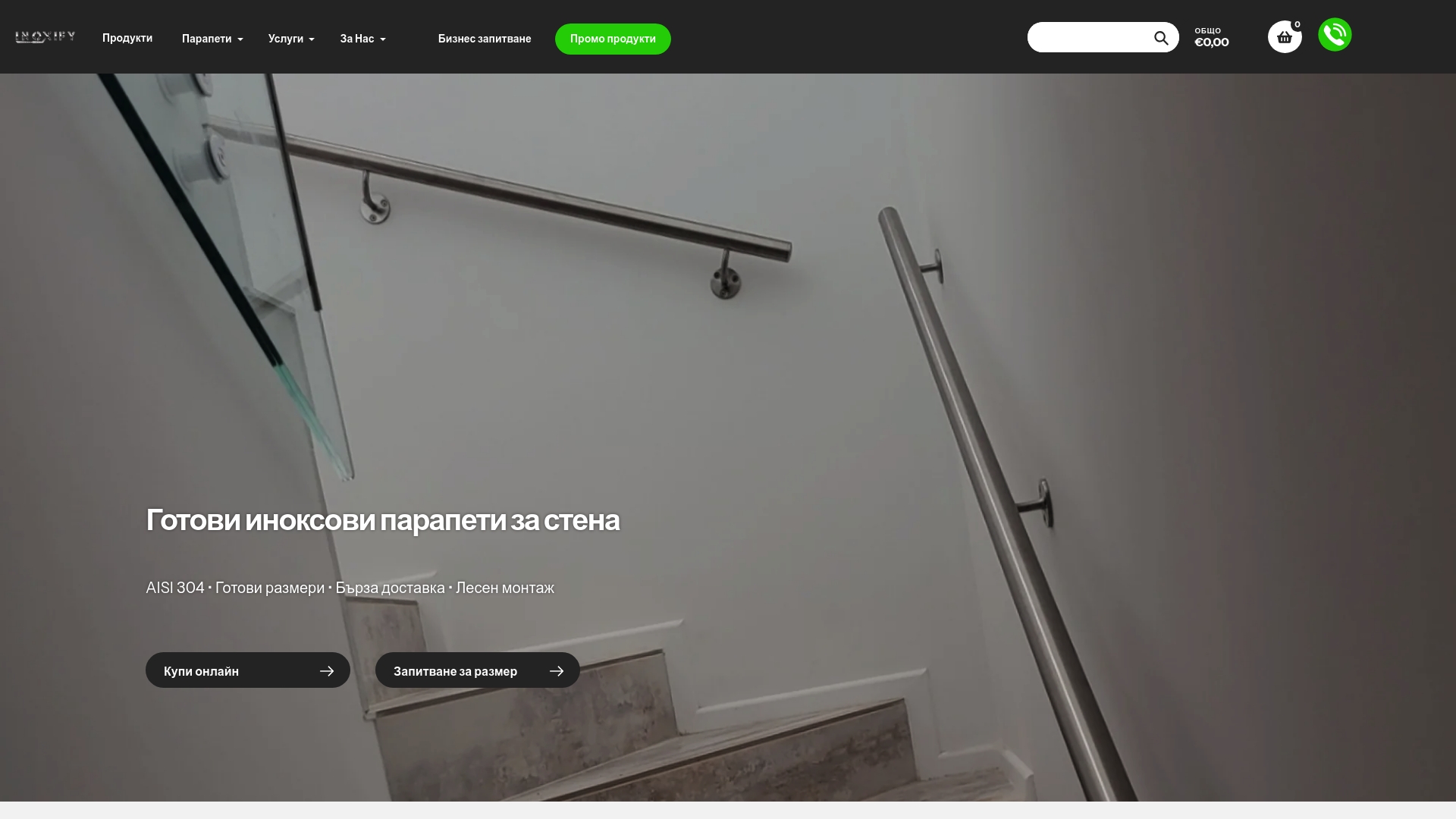
Whether you need rounded railing systems for a clean modern look, staircase railing options for interior or exterior stairs, or terrace railings built to withstand outdoor conditions, Inoxify offers ready-to-install kits in AISI 304 and 316 grades. Custom dimensions are available for non-standard projects. Browse the full range online and consult with a specialist to find the right system for your renovation or new build.
Frequently asked questions
What is the safest material for railings in Bulgarian homes?
Stainless steel offers superior safety and longevity, making grades AISI 304 and 316 the top choice for both indoor and outdoor railings in Bulgaria due to their corrosion resistance and impact strength.
How often should I inspect my railing for safety issues?
Regular inspection helps prevent hidden safety risks, so it is recommended to check your railing at least once every three months for rust, loose fittings, and surface damage.
What height should railings be for legal compliance in Bulgaria?
Codes set minimum safe heights at typically 90 cm for stairs and 100 to 105 cm for balconies, though local regulations may require adjustments based on building type and floor level.
Can stainless steel railings be customized for style as well as safety?
Yes. Design flexibility allows for a wide range of profiles, finishes, and infill options, so stainless steel railings can meet modern aesthetic goals without compromising structural safety ratings.