

7 Interior Railing Types for Modern Design Projects
Choosing the right railing system for your space can feel overwhelming with so many styles and materials available. The look, safety, and functionality of your home or project depend on making smart decisions—especially when space, durability, and modern design are essential. Luckily, today’s leading railing options address common concerns by offering solutions that combine open views, robust safety, and style.
In this list, you will discover practical ideas that help you maximize light flow, save space in compact areas, and create a seamless modern look. Whether you prefer sleek stainless steel, transparent glass, or unique wood and steel combinations, you’ll find options that blend strength with elegance. Get ready to uncover which railing choices offer the perfect balance of beauty and performance for your next interior design project.
Table of Contents
- Stainless Steel Railings For Contemporary Spaces
- Glass Railings For Open And Sleek Interiors
- Cable Railings For Minimalist Design
- Wall-Mounted Railings For Compact Areas
- Wood And Steel Combinations For Warmth And Strength
- Customizing Railing Dimensions For Project Needs
- Easy Installation And Maintenance Benefits
Quick Summary
| Takeaway | Explanation |
|---|---|
| 1. Prioritize Stainless Steel Grades | Always select AISI 304 or 316 for maximum corrosion resistance in stainless steel railings. |
| 2. Choose the Right Glass Thickness | Use tempered or laminated safety glass with a minimum thickness of 10-12 millimeters for residential glass railings. |
| 3. Ensure Proper Cable Railing Support | Consult a professional engineer to verify cable railing designs meet local building codes and structural requirements. |
| 4. Optimize Wall-Mounted Railing Designs | Consider wall load-bearing capacity and use heavy-duty anchors to ensure the safety and stability of wall-mounted railings. |
| 5. Focus on Low-Maintenance Materials | Select corrosion-resistant materials like aluminum or stainless steel to minimize long-term upkeep and enhance durability. |
1. Stainless Steel Railings for Contemporary Spaces
Stainless steel railings represent the pinnacle of modern interior design sophistication. These elegant architectural elements seamlessly blend safety and aesthetic appeal in contemporary residential and commercial spaces.
Designers and architects increasingly gravitate toward stainless steel railings for their unparalleled versatility and sleek appearance. Unlike traditional railing materials steel offers several distinct advantages:
- Exceptional durability that withstands heavy traffic
- Corrosion resistance preventing long-term deterioration
- Minimal maintenance requirements
- Seamless visual integration with multiple design styles
The contemporary design philosophy demands materials that communicate both strength and refinement. Stainless steel railing technologies have evolved dramatically in recent years enabling architects to create clean minimalist installations that transform interior environments.
Stainless steel railings are not just functional barriers but sculptural design elements that define spatial relationships.
Modern installations often incorporate innovative techniques like glass panel integration transparent cable systems and minimal structural supports. This approach allows architects to design railings that feel almost invisible while providing critical safety infrastructure.
Finish options play a crucial role in customization. Brushed metallic surfaces create subtle texture while mirror-polished finishes reflect surrounding environments adding visual depth and perceived spaciousness.
Pro tip: When selecting stainless steel railings always prioritize AISI 304 or 316 grade materials for maximum corrosion resistance and long-term performance.
2. Glass Railings for Open and Sleek Interiors
Glass railings represent the pinnacle of contemporary interior design providing architects and homeowners with an unparalleled solution for creating open luminous spaces. These architectural elements transform traditional barriers into transparent visual connectors that enhance spatial perception.
Modern interior design demands solutions that maximize visual transparency and light transmission. Innovative interior railing ideas have revolutionized how we conceptualize spatial boundaries by introducing glass as a primary structural material.
Key advantages of glass railings include:
- Maximized natural light transmission
- Visually expanding interior spaces
- Minimal visual obstruction
- Exceptional design versatility
- Enhanced safety through tempered materials
Glass railings are not just architectural elements they are transparent canvases that redefine spatial relationships.
Two primary glass railing configurations dominate contemporary design: frameless and framed systems. Frameless installations create an almost invisible barrier using thick tempered glass panels mounted with minimal hardware. Framed systems provide additional structural definition while maintaining substantial visual openness.
Technical considerations like glass thickness glass type and mounting hardware significantly impact both aesthetic and functional performance. Professionals typically recommend tempered or laminated safety glass with minimum thickness of 10-12 millimeters for residential applications.
Pro tip: Always consult a certified professional to ensure your glass railing meets local building codes and safety standards for structural integrity and load-bearing requirements.
3. Cable Railings for Minimalist Design
Cable railings represent the pinnacle of contemporary minimalist design offering architects and interior designers an elegant solution that combines safety with visual transparency. These sophisticated architectural elements transform traditional barriers into lightweight visual connections that preserve spatial openness.
Architectural railing inspiration reveals how cable railings have revolutionized modern interior and exterior spaces by introducing an unprecedented level of visual connectivity.
Key advantages of cable railings include:
- Unobstructed panoramic views
- Sleek modern aesthetic
- Exceptional durability
- Low maintenance requirements
- Versatile design compatibility
Cable railings are not just safety barriers they are transparent design statements that redefine architectural boundaries.
Typically constructed using thin stainless steel cables stretched horizontally or vertically between metal or wooden posts these railings create an almost invisible barrier. The slim profile and strategic cable spacing allow maximum light transmission while maintaining rigorous safety standards.
Design flexibility sets cable railings apart. Customization options range from marine-grade stainless steel cables to wooden or metal posts enabling seamless integration with diverse architectural styles from urban lofts to coastal residences.
Pro tip: Always consult a professional engineer to ensure your cable railing design meets local building codes and can withstand required lateral and vertical load specifications.
4. Wall-Mounted Railings for Compact Areas
Wall-mounted railings represent an innovative solution for architects and designers working with limited spatial configurations. These sleek architectural elements provide safety and style without compromising valuable floor space in compact residential and commercial environments.
Modern railings design impact demonstrates how strategic railing placement can dramatically transform interior circulation areas.
Key advantages of wall-mounted railings include:
- Maximum space conservation
- Seamless design integration
- Enhanced accessibility
- Minimal structural interference
- Versatile material options
Wall-mounted railings transform spatial constraints into design opportunities.
Typically fabricated from materials like stainless steel and aluminum these railings attach directly to walls eliminating the need for traditional supporting posts. The mounting system allows for precise angle adjustments ensuring optimal ergonomic positioning for staircases corridors and transitional spaces.
Installation considerations involve carefully evaluating wall structure load-bearing capacity and selecting appropriate mounting hardware. Professionals recommend using heavy-duty anchoring systems that can withstand significant lateral and vertical stress.
Pro tip: Consult a structural engineer to assess your specific wall composition and ensure proper load distribution before installing wall-mounted railings.
5. Wood and Steel Combinations for Warmth and Strength
Wood and steel combinations represent a sophisticated approach to contemporary railing design offering architects and designers a powerful method for creating visually compelling and structurally robust interior elements. These hybrid systems merge the organic warmth of timber with the unparalleled strength of steel.
Hybrid construction techniques have revolutionized how designers conceptualize material integration in architectural applications.
Key advantages of wood and steel railing combinations include:
- Natural aesthetic warmth
- Superior structural integrity
- Enhanced design flexibility
- Sustainable material approach
- Balanced thermal performance
Wood and steel railings transform architectural boundaries by blending organic softness with industrial precision.
Modern adhesive bonding techniques allow seamless integration between wood and steel creating railings that leverage each material’s unique properties. Steel provides critical structural support and durability while wood introduces visual softness and tactile comfort.
Design considerations involve carefully selecting wood species compatible with steel connections and choosing finishes that protect against environmental degradation. Recommended wood types include oak maple and walnut which offer excellent compatibility with stainless steel mounting systems.
Pro tip: Consult a materials engineer to specify exact wood and steel interface specifications ensuring long term performance and aesthetic harmony.
6. Customizing Railing Dimensions for Project Needs
Customizing railing dimensions represents a critical design strategy that transforms architectural spaces by precisely tailoring safety systems to unique project requirements. Architects and designers gain unprecedented flexibility when they understand how to manipulate railing components for optimal functionality and aesthetic appeal.
Custom railing solutions enable designers to create truly personalized architectural elements that integrate seamlessly with diverse spatial configurations.
Key considerations for dimension customization include:
- Precise height specifications
- Baluster spacing optimization
- Material weight calculations
- Structural load requirements
- Code compliance assessment
Railing customization is not just about measurements it is about creating intelligent design solutions.
Professional designers typically approach dimension customization through systematic evaluation of several critical parameters. These include analyzing architectural context building regulations anticipated foot traffic and specific aesthetic objectives. Modular design approaches allow for incremental adjustments that maintain structural integrity while providing maximum design flexibility.
Technical strategies involve carefully calculating load distributions understanding material stress points and ensuring precise geometric alignments. Advanced design software enables architects to simulate and test railing configurations before physical implementation.
Pro tip: Always consult local building codes and engage a structural engineer to verify that your custom railing dimensions meet safety standards and load requirements.
7. Easy Installation and Maintenance Benefits
Railing systems designed for effortless installation and minimal maintenance represent a game-changing approach for architects and property owners seeking efficient design solutions. Modern railing technologies prioritize user-friendly approaches that reduce long-term upkeep and installation complexity.
Aluminum railing maintenance strategies demonstrate how material selection dramatically impacts system performance and longevity.
Key advantages of low-maintenance railing systems include:
- Rapid installation processes
- Reduced long-term care requirements
- Corrosion-resistant materials
- Simplified cleaning protocols
- Minimal hardware replacement
Intelligent railing design transforms maintenance from a burden into an effortless routine.
Professional designers increasingly select materials like aluminum and stainless steel that inherently resist environmental degradation. Protective surface treatments further enhance durability by creating barriers against moisture oxidation and mechanical wear.
Strategic material selection allows for installation techniques that minimize complex mounting requirements. Modular design approaches enable faster assembly reducing labor costs and potential installation errors.
Pro tip: Invest in high-quality protective coatings and conduct annual visual inspections to extend your railing system’s operational lifespan and maintain its aesthetic appeal.
Below is a comprehensive table summarizing the key features, types, and benefits of railing systems discussed in the article.
| Railing Type | Key Features | Benefits |
|---|---|---|
| Stainless Steel Railings | High durability, corrosion resistance, minimal maintenance. | Ideal for modern, minimalist designs. |
| Glass Railings | Maximized natural light, frameless and framed configurations. | Open spaces and enhanced spatial perception. |
| Cable Railings | Sleek aesthetics with unobstructed views. | Minimalist style and high safety standards. |
| Wall-Mounted Railings | Space-efficient and ergonomic. | Perfect for compact areas. |
| Wood and Steel Railings | Combines strength and warmth. | Aesthetic appeal and structural integrity. |
| Custom Railing Dimensions | Tailored to specific design needs. | Optimized functionality and seamless integration. |
| Easy Installation Systems | Quick setup and reduced maintenance. | Economical and user-friendly solutions. |
Elevate Your Modern Interior Railing Projects with Ready Stainless Steel Solutions
Choosing the right railing type for your design can be challenging when balancing aesthetic appeal, durability, and ease of installation. This article highlights key options such as stainless steel, glass, and cable railings that combine safety and style. If your goal is to achieve sleek minimalism or warm modernity while ensuring long-term performance, selecting materials like AISI 304 or 316 stainless steel is essential for corrosion resistance and maintenance ease.
Discover how Inoxify.bg simplifies your choices with premium ready-made solutions like Square Stainless Steel Handrails and Glass Channel Handrails with LED Lighting. These options offer effortlessly stylish and durable systems that integrate seamlessly into contemporary interiors, saving you time during construction or renovation.
Explore high-quality components such as Pipe End Elements to customize your railing installations perfectly.
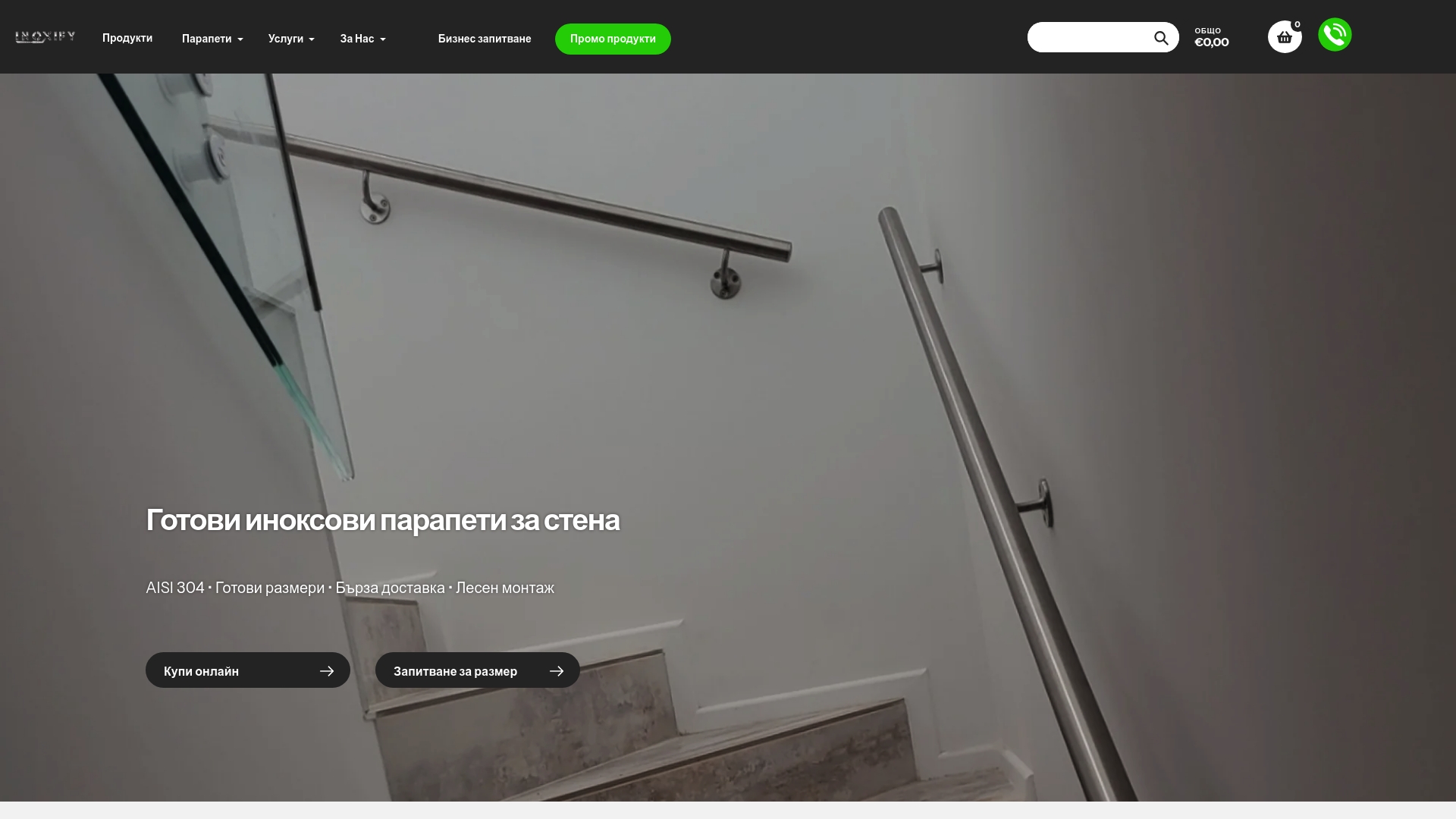
Take control of your architectural railing projects today by visiting Inoxify.bg. Browse our wide selection of stainless steel railing solutions designed to meet your precise dimension and aesthetic needs. Order now to ensure timely delivery and elevation of your space with modern safety and refinement.
Frequently Asked Questions
What are the advantages of using stainless steel railings in modern design projects?
Stainless steel railings provide exceptional durability and corrosion resistance, making them ideal for both residential and commercial spaces. To enhance your design, prioritize AISI 304 or 316 grade materials to ensure long-lasting performance and minimal maintenance.
How can glass railings increase natural light in interiors?
Glass railings maximize natural light transmission, enhancing spatial perception in contemporary designs. Consider incorporating frameless systems to create an open, luminous environment that feels both expansive and inviting.
What design elements should I consider when using cable railings?
When using cable railings, focus on unobstructed panoramic views and sleek aesthetics. Customize the cable spacing and post materials to complement your overall design theme while ensuring structural integrity and safety.
How do wall-mounted railings save space in compact environments?
Wall-mounted railings are designed to conserve floor space by attaching directly to walls, eliminating traditional supporting posts. Assess wall structure and select proper mounting hardware to optimize safety and installation efficiency.
What are the benefits of combining wood and steel for railings?
Wood and steel combinations offer a balance of warmth and strength, enhancing both aesthetics and durability. Choose compatible wood species like oak or walnut, and ensure proper finishes to protect against environmental factors for optimal performance.
How important is customizing railing dimensions for my design project?
Customizing railing dimensions allows you to tailor safety systems specifically to your project’s unique requirements. Analyze height specifications, baluster spacing, and local building codes to create a safe and visually appealing solution.