

Значение на парапет – Безопасност и стил в архитектурата
Изборът на парапет често се оказва предизвикателство за всеки архитект, стремящ се да съчетае безопасност с модерен стил в своя проект. Правилният дизайн има силата да преобрази пространството и да му придаде характер, докато здравината и функциите защитават хората в ежедневието. Парапетът е не само архитектурен акцент, но и критичен фактор за адаптация към специфичните изисквания на строителството в България.
Съдържание
- Значение на парапет в строителството и дизайна
- Основни видове парапети от неръждаема стомана
- Ключови характеристики и изисквания към парапетите
- Архитектурни стандарти и нормативна уредба в България
- Практически грешки и рискове при избора на парапет
Основни изводи
| Точка | Детайли |
|---|---|
| Функционалност на парапета | Парапетите осигуряват безопасност и защитават от падания в архитектурни пространства. |
| Материали за парапети | Неръждаема стомана, стъкло, алуминий и дърво предлагат различни естетически и функционални предимства. |
| Стандарти и регулации | Спазването на нормативните изисквания е критично за безопасността и устойчивостта на парапетите. |
| Чести грешки при избора | Неправилният избор на материали и лошият монтаж могат да доведат до сериозни инциденти и проблеми с безопасността. |
Значение на парапет в строителството и дизайна
Парапетът представлява ключов функционален и естетически елемент в архитектурата, който осигурява безопасност и визуален завършек на различни пространства. Дизайнът на парапети може значително да трансформира архитектурната среда, като комбинира практичност с иновативни визуални решения.
Основната роля на парапета е да гарантира физическата безопасност на хората в различни архитектурни пространства. Той се използва най-често при стълбища, балкони, тераси и площадки, като създава необходимата защита срещу евентуални падания и инциденти. Съвременните парапети обаче надхвърлят чисто утилитарната си функция и се превръщат в самостоятелен декоративен елемент, който може да подчертае индивидуалността на даден архитектурен проект.
При избора на парапет архитектите и проектантите разполагат с широка гама от материали и дизайнерски решения. Неръждаемата стомана, стъклото, алуминият и дървото са сред най-популярните материали, които позволяват различни естетически интерпретации. Всеки материал притежава собствени предимства - стъклените парапети създават усещане за лекота и прозрачност, докато металните варианти предлагат издръжливост и модерен вид.
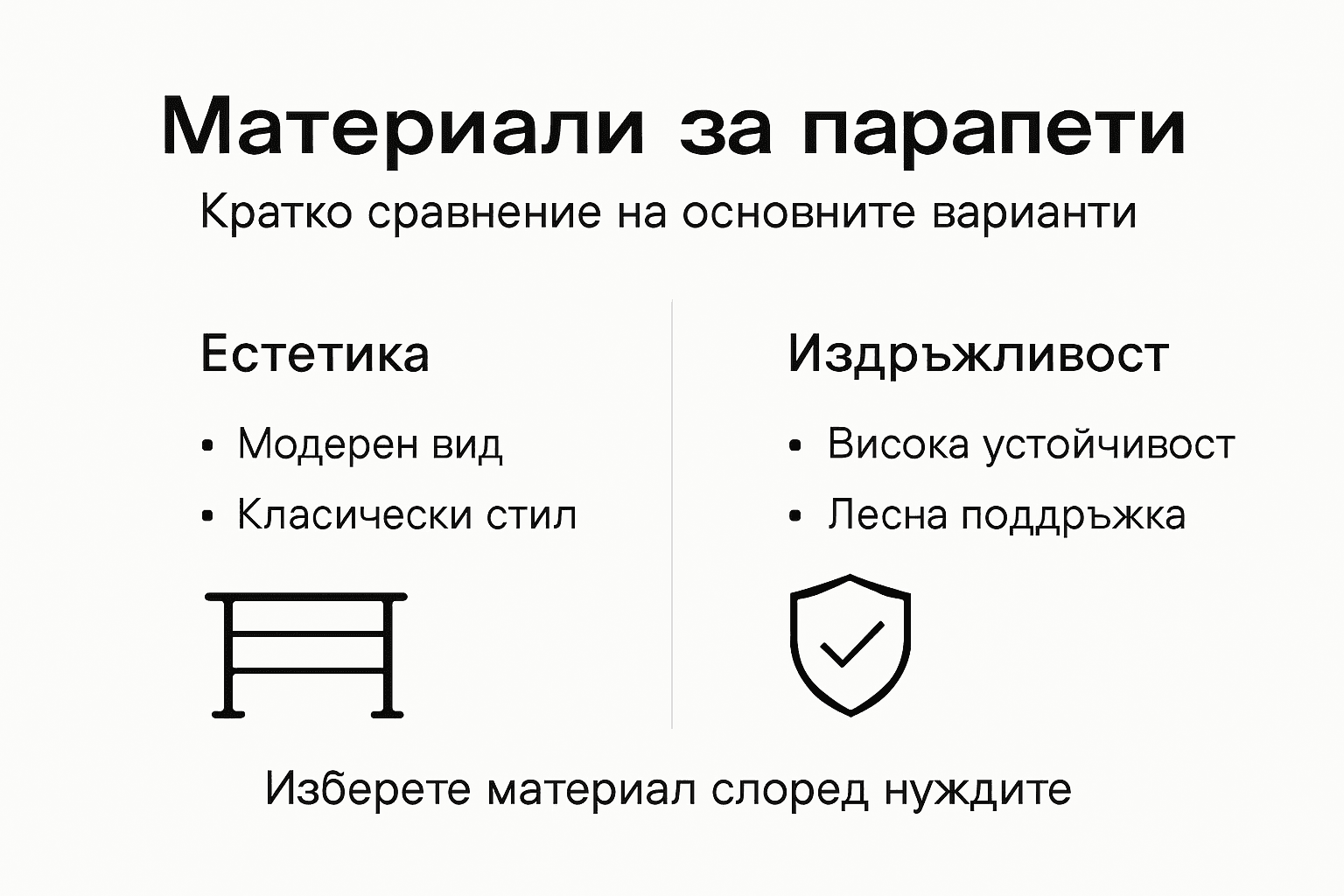
Следната таблица обобщава и сравнява основните материали за парапети, като помага при избора им в различни архитектурни условия:
| Материал | Естетика | Издръжливост | Поддръжка |
|---|---|---|---|
| Неръждаема стомана | Модерен, елегантен вид | Висока устойчивост на корозия | Минимална поддръжка |
| Стъкло | Лекота и прозрачност | Крехко при силен удар | Изисква често почистване |
| Алуминий | Лекота и гъвкавост | Средна издръжливост | Лесна поддръжка |
| Дърво | Класически и топъл дизайн | Податливо на влага | Необходимост от лакиране |
Професионален съвет: При избора на парапет винаги съобразявайте функционалните изисквания с архитектурния стил на сградата, за да постигнете оптимално решение.
Основни видове парапети от неръждаема стомана
Неръждаемата стомана предлага разнообразие от парапетни решения, които могат да бъдат адаптирани към различни архитектурни стилове и функционални изисквания. Предимствата на неръждаемата стомана създават широки възможности за проектиране и приложение.
Основните видове парапети от неръждаема стомана включват вертикални парапети с пълнеж, парапети с хоризонтални или наклонени елементи, цели стъклени парапети с метална конструкция и декоративни парапетни системи. Всеки вид притежава специфични характеристики, които го правят подходящ за различни архитектурни пространства - стълбища, тераси, балкони или външни площадки.
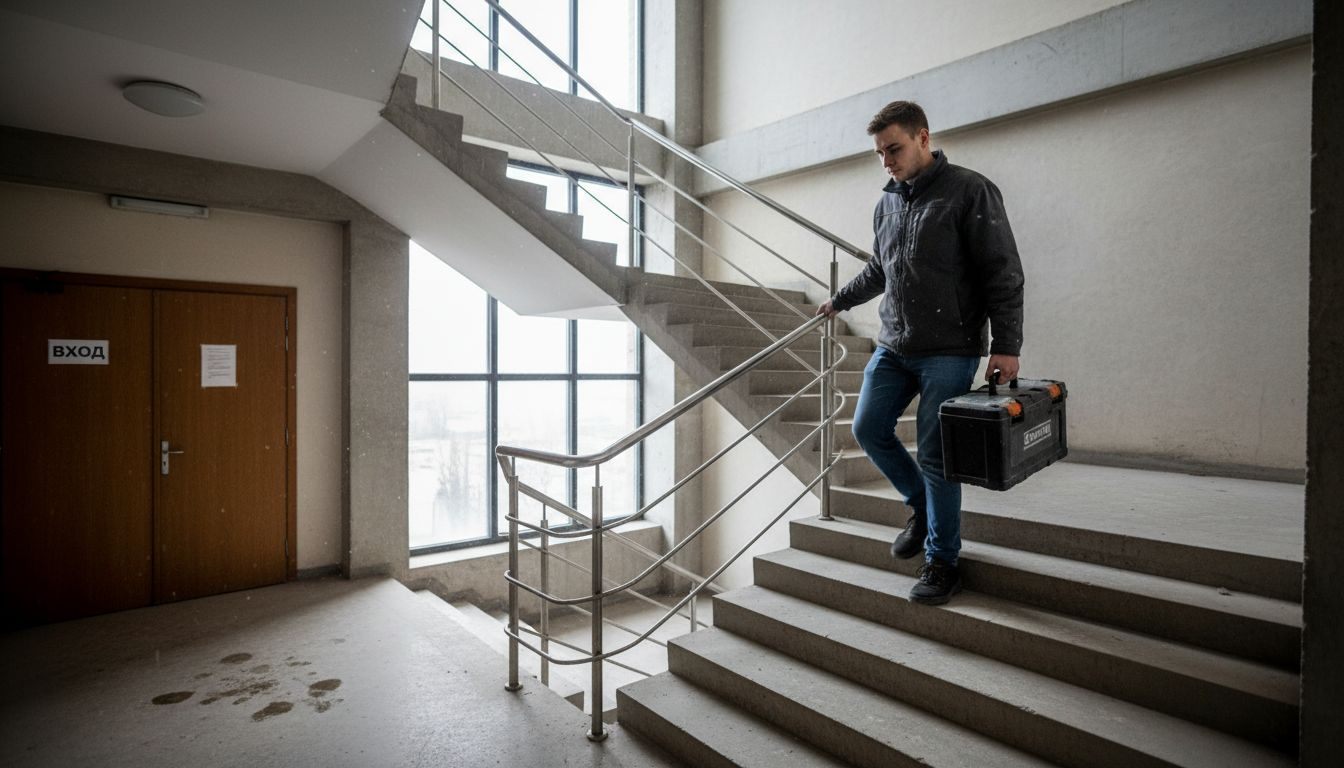
При избора на парапет от неръждаема стомана архитектите и дизайнерите обръщат внимание на няколко ключови фактора: якост на материала, корозионна устойчивост, естетически характеристики и съвместимост с останалите елементи на интериора или екстериора. Металните парапети могат да бъдат изработени от различни марки неръждаема стомана като AISI 304 или AISI 316, които предлагат различни нива на защита и издръжливост.
Професионален съвет: При избора на парапет от неръждаема стомана консултирайте се с професионален доставчик, който може да ви препоръча найподходящото решение според конкретните изисквания на вашия проект.
Ключови характеристики и изисквания към парапетите
Парапетите са изключително важен елемент от архитектурата, който изисква прецизен подход при проектиране и инсталиране. Изискванията към парапетите включват комплексна оценка на безопасност, функционалност и естетика, като всеки детайл трябва да бъде внимателно обмислен.
Основните технически параметри, на които трябва да отговарят съвременните парапети, са свързани с тяхната височина, якост на натоварване, плътност на вертикалните елементи и устойчивост на външни влияния. Стандартната височина варира между 90 и 110 см в зависимост от конкретното приложение, като за обществени сгради и високи съоръжения се изискват по-строги параметри за сигурност.
При избора на парапет архитектите и проектантите трябва да анализират множество фактори, включително материал, корозионна устойчивост, товароносимост и възможности за естетическа интеграция. Допълнителни критерии включват лекота при почистване, устойчивост на атмосферни влияния и способност да се впише хармонично в заобикалящата архитектурна среда.
Професионален съвет: Винаги консултирайте се с професионален инженер, който може да направи точна оценка на спецификите на вашия конкретен архитектурен проект и да препоръча найподходящото парапетно решение.
Архитектурни стандарти и нормативна уредба в България
Нормативната уредба за парапетите в България е изключително строга и детайлно регламентирана, за да гарантира максимална безопасност в строителството. Нормативни изисквания към парапетите са регламентирани чрез специални наредби на Министерство на регионалното развитие и благоустройството.
Основните технически параметри включват точно определени изисквания за височина, които варират в зависимост от височината на сградата. За сгради до 20 метра се изисква минимална височина на парапета от 1,05 метра, докато за по-високи съоръжения стандартът е 1,20 метра. Допълнително важно изискване е максималното разстояние между вертикалните елементи да не превишава 9 сантиметра, което предотвратява евентуални инциденти с деца.
При проектирането на парапети архитектите трябва да спазват строги технически норми, свързани с материалите, носещата способност и естетическите изисквания. Материалите като неръждаема стомана, алуминий и стъкло трябва да преминат специфични изпитвания за якост, корозионна устойчивост и безопасност, преди да бъдат одобрени за използване в обществени и жилищни сгради.
Професионален съвет: Винаги проверявайте актуалните строителни норми и консултирайте се с лицензиран строителен инженер преди окончателното проектиране на парапети.
Практически грешки и рискове при избора на парапет
При избора на парапет архитектите и собствениците често допускат критични грешки, които могат да компрометират безопасността и функционалността на съоръжението. Проектиране на парапети изисква прецизен подход, като най-честите рискове са свързани с неправилен избор на материали, неподходяща конструкция или занижени технически параметри.
Една от основните практически грешки е пренебрегването на специфичните изисквания за различните типове пространства. Парапетите за вътрешни стълбища се различават съществено от тези за външни балкони или тераси, като всеки вид има собствени норми за товароносимост, устойчивост на атмосферни влияния и естетически характеристики. Неправилната преценка може да доведе до бързо износване, корозия или дори структурни повреди.
Друг съществен риск представлява некачественият монтаж и недостатъчната фиксация на парапетните елементи. Дори при използването на висококачествени материали, лошо изпълненото закрепване може да създаде сериозни предпоставки за инциденти. Архитектите трябва да обръщат особено внимание на връзките между отделните елементи, якостта на материалите и спазването на всички строителни норми и стандарти.
Тук са изброени основните практически рискове и техните последствия при неправилен избор и монтаж на парапет:
| Риск | Последица | Препоръка |
|---|---|---|
| Лош подбор на материал | Бързо износване или корозия | Изберете материал според локация |
| Некоректен монтаж | Намалена безопасност, инциденти | Наемете квалифициран монтажник |
| Пренебрегване на стандарти | Нарушение на изискванията за сигурност | Спазвайте действащите норми |
Професионален съвет: Винаги ангажирайте квалифициран специалист за техническа експертиза и монтаж на парапети, който познава детайлно съвременните изисквания за безопасност.
Осигурете безопасност и стил с висококачествени парапети от неръждаема стомана
В статията разгледахме важността на парапетите като съчетание между безопасност и естетика в съвременната архитектура. Основните предизвикателства са правилният избор на материал, съобразяване с нормативните изисквания и надежден монтаж. Ако търсите решения, които гарантират издръжливост, корозионна устойчивост и стилен дизайн, Inoxify.bg предлага широк асортимент от готови парапети с високо качество на изработка.
Не позволявайте компромиси с вашата безопасност или външен вид на проекта. Разгледайте нашите парапети от неръждаема стомана и стъкло, създадени да отговорят на всички изисквания, включително тези за обществени и жилищни сгради. Възползвайте се от лесната поръчка и бързата доставка, за да реализирате своя проект с професионално качество и сигурност. Научете повече за предимствата на неръждаемата стомана или открийте практични съвети при проектирането на парапети. Вземете своя оптимален парапет от официалния сайт още сега.
Често задавани въпроси
Какво е значението на парапета в архитектурата?
Парапетът играе ключова роля в осигуряване на безопасност и естетика в различни архитектурни пространства, като стълбища, балкони и тераси.
Какви материали се използват за парапети?
Обичайните материали за парапети включват неръждаема стомана, стъкло, алуминий и дърво, като всеки от тях предлага уникални естетически и функционални характеристики.
Какви са стандартните изисквания за височината на парапетите?
Стандартната височина на парапетите варира между 90 и 110 см, в зависимост от приложението и типа на сградата.
Какви са основните рискове при неправилен избор на парапет?
Основните рискове включват бързо износване на материала, намалена безопасност и структура на парапета, неправилен монтаж и неспазване на строителни стандарти.
Свързани страници в Inoxify
Разгледайте нашите специализирани секции за оферти, цени с монтаж и техническа информация:
- Парапети – главна
- Парапети за тераси
- Парапети за стълбища
- Иноксови парапети за тераса
- Иноксови парапети за стълбище