

Benefits of Ready-Made Railings for Builders
Finding reliable solutions for architectural safety can feel overwhelming when every renovation project in Bulgaria demands both durability and visual appeal. Stainless steel railings stand out as a smart choice for contractors who need streamlined installation and resilient performance. By clarifying the misconceptions about ready-made railings and mapping their key advantages, builders gain insight into selecting systems that deliver long-term safety and style.
Table of Contents
- Ready-made Railings Explained And Misconceptions
- Types And Variations Of Ready-made Railings
- Key Features: Durability, Aesthetics, And Easy Care
- Safety, Compliance, And Installation Efficiency
- Cost, Maintenance, And Comparison To Alternatives
- Common Mistakes When Choosing Railings
Key Takeaways
| Point | Details |
|---|---|
| Efficient Solutions | Ready-made railings provide a streamlined, standardized approach to safety barriers compared to custom options, facilitating quicker project completion. |
| Material Considerations | Select materials based on durability, maintenance needs, and aesthetic preferences to ensure optimal performance and compliance with building codes. |
| Installation Importance | Ensure precise installation and adherence to safety standards to maintain structural integrity and regulatory compliance. |
| Lifecycle Cost Evaluation | Analyze total lifecycle costs, including material expenses and maintenance, to make informed decisions that balance initial investment and long-term value. |
Ready-made railings explained and misconceptions
Ready-made railings represent a strategic solution for builders seeking efficient, standardized safety barriers for various construction projects. Unlike traditional custom-fabricated options, these pre-engineered systems offer a streamlined approach to architectural safety and design. Understanding their core characteristics and dispelling common misconceptions can help contractors make more informed decisions.
The primary characteristics of ready-made railings include:
- Standardized manufacturing with precise engineering tolerances
- Consistent material quality using stainless steel or aluminum
- Pre-calculated load resistance and safety specifications
- Rapid installation compared to custom fabrication
- Compliance with safety engineering standards
One significant misconception is that ready-made railings are universally interchangeable. In reality, these systems are designed for specific applications and environments. Builders must carefully evaluate load requirements, material compatibility, and installation context. The technical criteria for roadside safety devices demonstrate the complexity behind seemingly simple barrier systems.
Materials and engineering play crucial roles in ready-made railing performance. Structural considerations include:
- Load-bearing capacity
- Corrosion resistance
- Aesthetic integration
- Environmental durability
- Compliance with local building codes
Pro tip: Always verify manufacturer specifications and conduct a site-specific assessment before selecting and installing ready-made railings to ensure optimal performance and safety.
Types and variations of ready-made railings
Ready-made railings represent a diverse array of architectural safety solutions, engineered to meet different design requirements and functional specifications. Railing types vary significantly across materials, structural configurations, and aesthetic considerations, providing builders with multiple options for addressing specific project needs.
The primary categories of ready-made railings include:
- Aluminum Railings: Lightweight, corrosion-resistant, and cost-effective
- Stainless Steel Railings: Durable, strong, with refined aesthetic finishes
- Glass Railings: Modern, transparent systems offering visual openness
- Composite Railings: Combining multiple materials for enhanced performance
- Wooden Railings: Traditional options with classic architectural appeal
Each railing type offers unique advantages for different architectural contexts. Guardrails, handrails, and stair rails represent distinct subcategories, each designed with specific functional requirements. Structural considerations like load-bearing capacity, material strength, and compliance with local building codes play crucial roles in selecting the appropriate railing system.
Material selection significantly influences railing performance and aesthetic integration. Factors to consider include:
Here’s how the main ready-made railing materials compare across several performance factors:
| Material | Durability | Maintenance Needs | Visual Appeal |
|---|---|---|---|
| Aluminum | Resists corrosion | Rare cleaning needed | Modern, clean look |
| Stainless Steel | Very high strength | Occasional polishing | Sleek, polished style |
| Glass | Strong, impact safe | Minimal upkeep required | Open, elegant design |
| Composite | Withstands weather | Low maintenance | Versatile, adaptable |
| Wood | Weathering needed | Frequent painting/stain | Warm, classic finish |
- Environmental exposure
- Maintenance requirements
- Architectural style
- Budget constraints
- Safety regulations
Pro tip: Always consult local building codes and conduct a comprehensive site assessment to ensure your selected railing system meets both functional safety requirements and design objectives.
Key features: durability, aesthetics, and easy care
Ready-made railings represent a sophisticated solution for builders seeking high-performance architectural elements that seamlessly combine functionality with visual appeal. Glass railings demonstrate remarkable durability by offering innovative safety features and aesthetic versatility across various construction environments.
The key features that distinguish premium ready-made railings include:
- Impact Resistance: Engineered to withstand significant structural loads
- Corrosion Protection: Materials designed to resist environmental degradation
- Minimal Maintenance: Surfaces that require limited upkeep and cleaning
- Aesthetic Flexibility: Adaptable designs complementing multiple architectural styles
- Long-Term Performance: Consistent structural integrity over extended periods
Material selection plays a crucial role in determining railing performance. Stainless steel, aluminum, and tempered glass offer unique advantages, with each material providing specific benefits for different architectural contexts. Builders must carefully evaluate environmental conditions, aesthetic requirements, and long-term maintenance expectations when selecting railing systems.
Durability factors that influence railing selection include:
- Structural load capacity
- Resistance to environmental stress
- Thermal expansion characteristics
- Surface finish durability
- Chemical resistance
Pro tip: Conduct periodic visual inspections and follow manufacturer-recommended maintenance protocols to preserve the structural integrity and aesthetic quality of your ready-made railings.
Safety, compliance, and installation efficiency
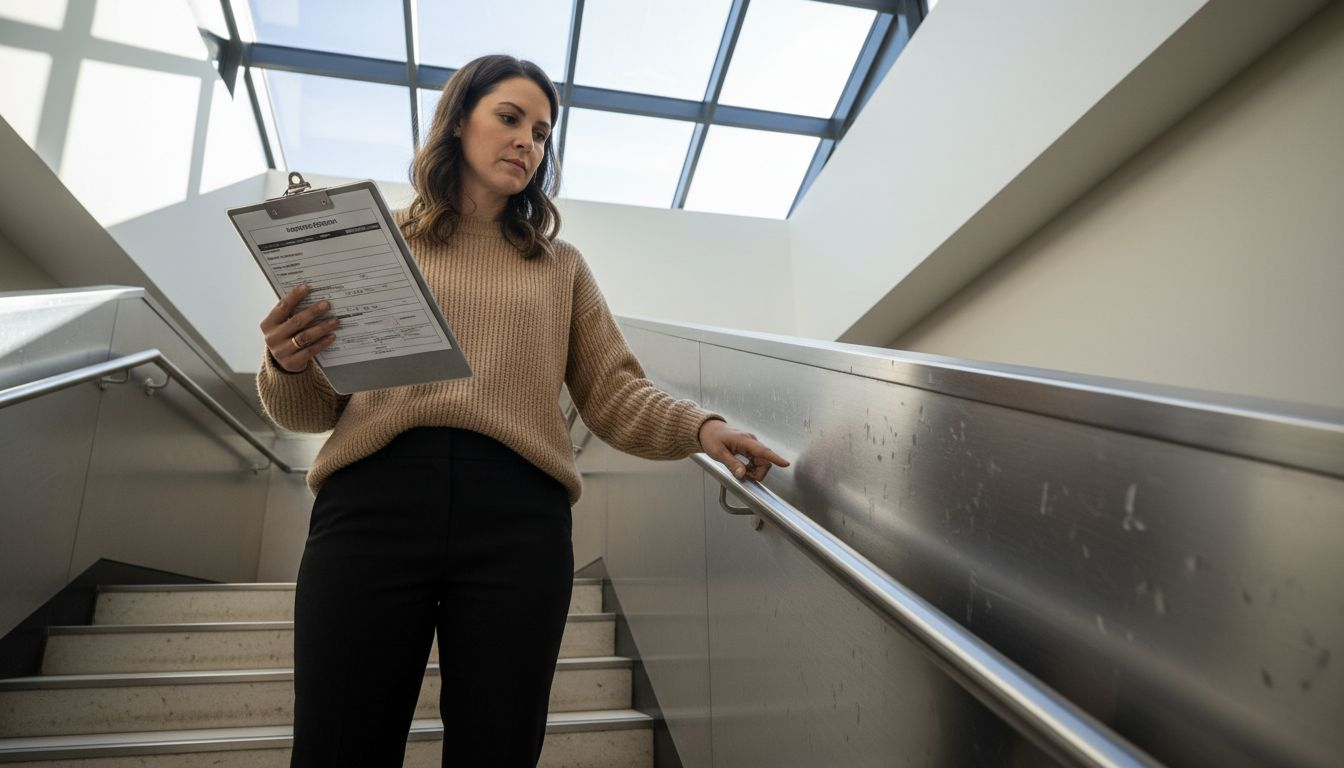
Ready-made railings demand meticulous attention to safety standards and precise installation techniques to ensure optimal performance and regulatory compliance. Secure anchoring represents a critical aspect of railing installation, directly impacting structural integrity and user protection.
Key safety considerations for railing installation include:
- Load-Bearing Capacity: Ensuring structural systems can withstand anticipated physical stress
- Material Compatibility: Matching anchoring systems with specific surface materials
- Regulatory Compliance: Meeting local building and safety code requirements
- Precision Measurement: Accurate alignment and positioning of mounting points
- Structural Integrity: Preventing potential failure points during installation
Professional installation requires comprehensive understanding of technical specifications and safety protocols. Builders must carefully evaluate environmental conditions, surface characteristics, and specific load requirements to guarantee optimal railing performance. This involves selecting appropriate anchoring mechanisms, preparing mounting surfaces, and following manufacturer-recommended installation procedures with extreme precision.
Critical steps in achieving safe and compliant railing installation include:
- Conducting thorough site assessment
- Verifying surface structural integrity
- Selecting appropriate mounting hardware
- Performing precise alignment measurements
- Implementing systematic installation techniques
Pro tip: Always consult local building codes and manufacturer installation guidelines, and consider professional certification or third-party inspection to validate your railing installation’s safety and compliance.

Cost, maintenance, and comparison to alternatives
Ready-made railings represent a strategic investment for builders seeking cost-effective and long-lasting architectural solutions. Cost analysis reveals critical considerations that extend beyond initial purchase price, encompassing installation efficiency, maintenance requirements, and lifecycle performance.
Key cost and maintenance factors include:
- Initial Investment: Upfront material and installation expenses
- Maintenance Frequency: Long-term care requirements for different materials
- Durability: Expected lifespan and performance under varied conditions
- Replacement Costs: Potential future expenses for repair or complete system replacement
- Labor Efficiency: Installation time and complexity
Material selection significantly impacts overall project economics. Stainless steel and tempered glass options may present higher initial costs but offer substantial long-term benefits through reduced maintenance and extended operational life. Builders must carefully evaluate trade-offs between immediate expenses and future performance, considering factors such as environmental exposure, aesthetic requirements, and specific project constraints.
Comparative analysis of railing alternatives reveals important considerations:
- Wood railings: Lower initial cost, higher maintenance
- Vinyl railings: Moderate initial investment, minimal maintenance
- Stainless steel railings: Higher upfront cost, exceptional durability
- Glass railings: Premium pricing, modern aesthetic, low maintenance
- Aluminum railings: Balanced cost-performance ratio
Pro tip: Calculate total lifecycle costs by combining initial investment, maintenance expenses, and expected replacement intervals to make a truly informed railing selection decision.
Below is a quick reference comparing the lifecycle cost factors for popular railing types:
| Railing Type | Startup Cost | Typical Lifespan | Long-Term Expenses |
|---|---|---|---|
| Wood | Low | 10-15 years | Frequent repairs |
| Vinyl | Moderate | 20+ years | Occasional cleaning |
| Stainless Steel | High | 30+ years | Rare maintenance |
| Glass | Premium | 25-30 years | Minimal upkeep |
| Aluminum | Moderate | 20-25 years | Infrequent service |
Common mistakes when choosing railings
Selecting the appropriate railing system involves navigating complex technical and regulatory requirements. Common installation errors can compromise safety and undermine the entire architectural project, making careful evaluation crucial for builders and contractors.
Frequent mistakes in railing selection include:
- Code Non-Compliance: Ignoring local building regulations
- Material Mismatches: Using incompatible materials for specific environments
- Improper Measurements: Inaccurate sizing and alignment
- Inadequate Fastening: Selecting incorrect mounting hardware
- Overlooking Load Requirements: Failing to assess structural stress points
The most critical errors often stem from insufficient planning and hasty decision-making. Builders must conduct comprehensive site assessments, understand specific environmental challenges, and thoroughly evaluate material performance characteristics. This involves analyzing factors such as corrosion resistance, thermal expansion, load-bearing capacity, and long-term durability across different installation contexts.
Key considerations to avoid selection mistakes include:
- Verify local building code requirements
- Assess environmental exposure conditions
- Calculate precise load-bearing specifications
- Evaluate material compatibility
- Consider long-term maintenance requirements
Pro tip: Always request professional engineering consultation and material performance certifications before finalizing your railing selection to mitigate potential installation risks.
Enhance Your Projects with Reliable Ready-Made Railings
Builders often face challenges ensuring safety compliance, durability, and aesthetic appeal while managing tight project timelines. Ready-made railings provide a proven solution to these concerns by offering standardized, high-quality stainless steel systems that simplify installation and lower maintenance costs. With a focus on materials like AISI 304 stainless steel, these products ensure resistance to corrosion and long-lasting performance in diverse environments.
Explore the benefits of streamlined architectural safety through our selection of Wall Mounted Stainless Steel Handrails and discover precision-engineered Ready-Made Posts designed for effortless integration.
Don’t compromise on quality or efficiency. Visit Inoxify.bg now to select ready-to-install railing solutions that combine safety, durability, and style. Experience fast delivery and expert support tailored for your building project’s success.
Frequently Asked Questions
What are the advantages of using ready-made railings in construction?
Ready-made railings offer several advantages, including standardized manufacturing for precise engineering tolerances, consistent material quality, rapid installation compared to custom options, and compliance with safety standards, enhancing both functional safety and design aesthetics.
How do I choose the right type of ready-made railing for my project?
Selecting the appropriate type involves evaluating load requirements, material compatibility, aesthetic preferences, and environmental durability. Consider the unique advantages of materials such as aluminum, stainless steel, glass, composite, or wood based on your project’s context and requirements.
What maintenance is required for ready-made railings?
Maintenance varies by material; for instance, aluminum railings require minimal upkeep, while wooden railings need regular painting or staining to combat weathering. Periodic inspections and following manufacturer-recommended maintenance protocols are essential to preserve their integrity and appearance.
Why is compliance with safety standards important when installing ready-made railings?
Compliance with local building and safety codes is crucial to ensure the railings can withstand required load-bearing capacities and provide adequate protection. Neglecting these standards can lead to structural failures and compromise user safety.