

7 Inspiring Examples of Modern Railing Designs
Choosing the right railing for your space can feel overwhelming when faced with so many modern styles and safety requirements. You want a solution that brings together safety, function, and the clean lines that define contemporary design. The challenge is finding options that balance these needs without sacrificing visual appeal or architectural harmony.
This list gives you a clear look at today’s most effective modern railing ideas, each blending modern aesthetics with advanced safety features. You’ll discover practical details and standout benefits for materials like stainless steel, laminated glass, and elegant minimalist profiles.
Get ready to find specific solutions that fit your space, emphasize open views, and meet key safety standards—all without sacrificing style. The insights ahead will show you how to create safe, striking spaces with the right modern railing choice.
Table of Contents
- Sleek Horizontal Bar Railings For Contemporary Spaces
- Glass Infill Railings Combining Safety And Style
- Wall-Mounted Railings For Minimalist Interiors
- Cable Railings Emphasizing Open Views
- Geometric Panel Railings For Unique Aesthetics
- Mixed Material Railings: Wood And Stainless Steel
- Customizable Modular Railings For Easy Installation
Quick Summary
| Takeaway | Explanation |
|---|---|
| 1. Choose Horizontal Bar Railings for Modern Spaces | These railings enhance visual openness while offering safety and are perfect for contemporary designs. |
| 2. Opt for Glass Infill Railings for Transparency | Glass infill systems maximize natural light and safety, transforming spaces with elegant, unobstructed views. |
| 3. Consider Wall-Mounted Railings for Minimalism | Wall-mounted railings provide essential support without disrupting clean lines, ideal for minimalist interiors. |
| 4. Utilize Cable Railings for Uninterrupted Views | Cable railings maintain safety while allowing maximum visibility, making them excellent for both indoor and outdoor applications. |
| 5. Explore Mixed Material Railings for Balance | Combining wood and stainless steel offers a robust yet aesthetically pleasing solution that requires less maintenance. |
1. Sleek Horizontal Bar Railings for Contemporary Spaces
Horizontal bar railings represent the pinnacle of modern architectural design. These sleek architectural elements transform ordinary spaces into sophisticated contemporary environments by blending structural integrity with minimalist aesthetics.
Designed to maximize visual openness, horizontal bar railings offer a unique approach to space division and safety. Unlike traditional vertical railing designs, these horizontal bar configurations create clean visual lines that complement modern interior and exterior spaces.
Key benefits of horizontal bar railings include:
- Unobstructed views that enhance spatial perception
- Streamlined design that works with multiple architectural styles
- Enhanced durability through strategic material selection
- Flexible installation options for both residential and commercial settings
Structural Performance Matters. These railings are not just about looks. They’re engineered to meet rigorous safety standards while providing a sophisticated design element. Stainless steel and metal frame constructions ensure both strength and lightweight appearance.
Horizontal bar railings represent more than a design choice - they are a statement of contemporary architectural sophistication.
When selecting horizontal bar railings, consider materials that balance aesthetics with performance. Stainless steel cables and metal frames offer robustness while maintaining a minimalistic visual profile perfect for decks, balconies, and interior spaces.
Pro tip: When planning horizontal bar railings, always consult local building codes to ensure your design meets safety requirements and structural standards.
2. Glass Infill Railings Combining Safety and Style
Glass infill railings represent a perfect fusion of modern design and advanced safety engineering. These transparent architectural elements transform spaces by creating visual openness while providing critical protective barriers.
Modern Design Meets Safety Technology. Laminated glass railing systems offer an innovative solution for contemporary spaces. By utilizing multiple glass layers with specialized interlayers, these railings provide exceptional structural integrity and safety performance.
Key advantages of glass infill railings include:
- Unobstructed views that maximize natural light
- Superior safety features through advanced glass technology
- Minimal visual interference with surrounding architecture
- Flexible design options for various installation contexts
- Enhanced durability and long-term performance
Material Innovation. The secret behind these railings lies in their construction. Laminated glass comprises multiple layers with an interlayer that holds glass fragments together upon impact. This means that even if the glass breaks, it remains structurally intact and prevents dangerous shard dispersal.
Glass infill railings are not just architectural elements - they are sophisticated safety solutions that redefine spatial design.
Design flexibility allows architects and homeowners to customize these railings through various options:
- Selecting different glass thicknesses
- Choosing transparent or tinted interlayers
- Exploring mounting configurations
- Matching architectural style preferences
Pro tip: Always consult professional installers who understand local building codes and can ensure proper structural mounting of glass infill railing systems.
3. Wall-Mounted Railings for Minimalist Interiors
Wall-mounted railings represent the pinnacle of functional design in minimalist interiors. These sleek architectural elements seamlessly blend safety and aesthetic sophistication without disrupting clean visual lines.
Invisible Support Systems. Wall-mounted handrails provide essential support while maintaining the uncluttered essence of minimalist design. Their profile is so understated that they almost disappear into the architectural backdrop.
Key characteristics of wall-mounted railings include:
- Ultra-slim profile with zero floor space consumption
- Seamless integration with wall surfaces
- Enhanced accessibility for all users
- Versatile mounting options
- Multiple material choices (stainless steel, aluminum, wood)
Functional Aesthetics. Unlike traditional railings that protrude into living spaces, wall-mounted versions are engineered to provide safety without visual interruption. They attach directly to walls using specialized mounting hardware that distributes weight evenly and ensures structural integrity.
Minimalist railings are not just design elements - they are architectural solutions that elevate functionality.
Considerations for selecting wall-mounted railings:
- Assess wall structural capacity
- Determine desired mounting height
- Select complementary finish
- Verify load-bearing requirements
Pro tip: Consult a professional installer to ensure precise mounting and compliance with local building safety regulations for wall-mounted railings.
4. Cable Railings Emphasizing Open Views
Cable railings represent the pinnacle of architectural transparency. These innovative design solutions provide safety and structural protection while maintaining unobstructed visual perspectives.
Engineered Transparency. Cable railing systems transform traditional barriers into elegant architectural elements that seemingly disappear into the surrounding environment. Thin horizontal or vertical steel cables create protective boundaries without blocking scenic views.
Key advantages of cable railings include:
- Maximum visual openness
- Minimal obstruction of natural light
- Sleek contemporary aesthetic
- Durability and long-term performance
- Versatile design applications
Precision Engineering. These railings rely on precise cable tensioning and strategic post placement. High-tensile strength cables are carefully spaced and secured to meet rigorous safety standards while maintaining a lightweight appearance.
Cable railings are not just barriers - they are architectural statements of minimalist design.
Considerations for selecting cable railings:
- Assess environmental conditions
- Verify local building code requirements
- Choose appropriate cable material
- Plan professional installation
Pro tip: Always work with professional installers who understand precise cable tensioning techniques and safety regulations for optimal performance.
5. Geometric Panel Railings for Unique Aesthetics
Geometric panel railings transform ordinary architectural barriers into extraordinary artistic statements. These innovative design elements blend mathematical precision with creative expression to redefine spatial boundaries.
Artistic Architectural Language. Geometric patterns in railings create visual narratives that transcend traditional design limitations. By incorporating complex polygonal shapes and symmetrical configurations, these railings become more than functional elements.
Key characteristics of geometric panel railings include:
- Intricate mathematical design principles
- Visual complexity and artistic depth
- Enhanced architectural storytelling
- Unique cultural and design references
- Customizable aesthetic expressions
Design Philosophy. Geometric railings draw inspiration from mathematical symmetry and cultural art traditions. These designs leverage repetitive patterns and precise angular relationships to create visually compelling architectural elements that engage viewers.
Geometric panel railings are not just barriers - they are three-dimensional canvases of architectural creativity.
Considerations for selecting geometric panel railings:
- Analyze surrounding architectural context
- Consider material compatibility
- Evaluate pattern complexity
- Match design with spatial character
Pro tip: Choose geometric railing designs that complement your existing architectural style while introducing subtle artistic complexity.
6. Mixed Material Railings: Wood and Stainless Steel
Mixed material railings represent a sophisticated design approach that combines the warmth of natural wood with the sleek durability of stainless steel. This innovative combination creates architectural elements that are both visually striking and structurally robust.
Harmonizing Materials. Railing construction techniques have evolved to embrace material diversity. Wood and stainless steel work together to create railings that balance aesthetic warmth with modern technological performance.
Key benefits of mixed material railings include:
- Natural wood aesthetic with enhanced durability
- Corrosion resistance from stainless steel components
- Versatile design possibilities
- Superior structural integrity
- Reduced maintenance requirements
Design Synergy. Stainless steel provides the structural framework while wood offers tactile warmth and visual softness. This combination allows designers to create railings that feel both contemporary and timeless.
Mixed material railings are not just functional barriers - they are architectural storytellers blending tradition and innovation.
Considerations when selecting mixed material railings:
- Evaluate environmental exposure
- Consider wood treatment requirements
- Assess connection point engineering
- Plan for long-term maintenance
Pro tip: Select wood species and steel finishes that complement each other aesthetically and can withstand your specific environmental conditions.
7. Customizable Modular Railings for Easy Installation
Modular railings represent the future of architectural design and installation flexibility. These innovative systems transform traditional railing approaches by offering unprecedented customization and rapid deployment.
Precision Engineering. Modular construction methods enable architects and builders to create precise railing solutions that can be quickly assembled and adapted to unique project requirements.
Key advantages of customizable modular railings include:
- Rapid onsite installation
- Minimal labor requirements
- Extensive design flexibility
- Simple reconfiguration options
- Reduced construction waste
Adaptive Design Technology. These railing systems utilize standardized connection points and lightweight materials that allow for quick assembly by small teams with minimal specialized tools. Prefabricated off-site, they arrive ready for immediate installation.
Modular railings are not just products - they are flexible architectural solutions that adapt to your vision.
Considerations when selecting modular railings:
- Evaluate project-specific requirements
- Assess material compatibility
- Review connection mechanism specifications
- Plan for potential future modifications
Pro tip: Always request detailed technical specifications and sample connection demonstrations before finalizing your modular railing selection.
Below is a comprehensive table summarizing the features, benefits, and tips for implementation of various railing types discussed in the article.
| Railing Type | Description | Key Benefits | Tips for Implementation |
|---|---|---|---|
| Horizontal Bar Railings | Sleek elements that merge functionality and minimalist style. | Unobstructed views, compatibility with modern aesthetics, and enhanced structural durability. | Ensure to adhere to local codes for structural safety. |
| Glass Infill Railings | Transparent boundaries made with laminated glass layers. | Maximizes light, advanced safety through layered structure, and adaptability in design. | Collaborate with experienced installers for correct mounting and compliance. |
| Wall-Mounted Railings | Minimalist railings fixed directly to walls, saving floor space. | Slim design, seamless integration, and enhanced safety features. | Properly evaluate wall support and load-bearing capacity prior to installation. |
| Cable Railings | Use high-tensile cables for safety while maintaining an open view. | Allows for maximum transparency and contemporary aesthetics. | Verify proper tensioning and adherence to regulations. |
| Geometric Panel Railings | Incorporates artistic and mathematical designs for unique visual impact. | Architectural storytelling with customizable patterns and enhanced depth. | Select patterns that harmonize with the surrounding architecture. |
| Mixed Material Railings | Combine wood for warmth with metal for durability and modern design. | Blends natural and industrial elements, offering longevity and visual interest. | Choose materials based on environmental exposure and design compatibility. |
| Customizable Modular Railings | Prefabricated solutions that allow for quick assembly and reconfigurability. | Simplified on-site setup, extensive design versatility, and reduced waste. | Request detailed specifications to meet project requirements effectively. |
Elevate Your Space with Modern Stainless Steel Railings from Inoxify
Modern railing designs present a challenge for homeowners and architects who want to combine safety, aesthetic appeal, and durability without compromised views or complex installations. This article highlights innovative solutions like horizontal bar railings, glass infill, and wall-mounted systems that emphasize clean lines and streamlined forms. If your goal is to achieve those sleek, minimalist architectural styles while ensuring strong structural performance and corrosion resistance, you need a trusted partner who offers reliable, ready-made stainless steel railing options.
Explore our extensive range of French Railings to find stylish solutions that blend perfectly with contemporary designs.
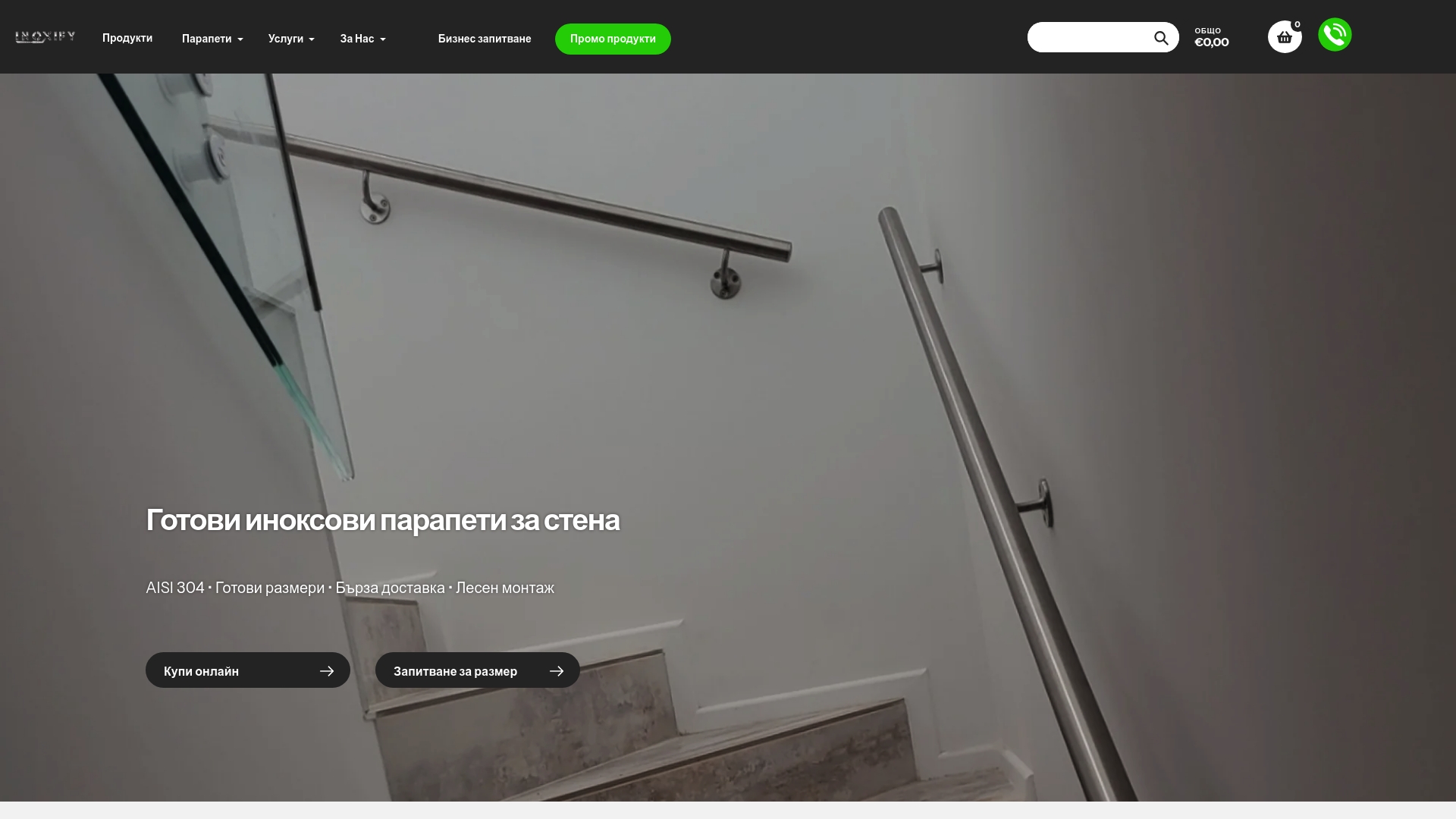
Don’t settle for complicated custom jobs or prolonged wait times. Visit Inoxify today to discover stainless steel balustrades crafted with high-grade materials such as AISI 304 and 316. Benefit from quick delivery, easy installation, and custom sizing tailored to your project needs. For additional enhancements, check our Pipe End Elements to complete your railing setup with precision and style. Take the first step towards transforming your architectural vision into reality now.
Frequently Asked Questions
What are the benefits of modern railing designs?
Modern railing designs provide numerous benefits, including enhanced safety, aesthetic appeal, and improved visibility. Consider installing railings that allow for unobstructed views, such as cable or glass infill railings, to maximize natural light and maintain spatial openness.
How can I choose the right material for my railing design?
Selecting the right material involves balancing aesthetics with performance. Evaluate your project requirements and consider options like stainless steel for durability or wood for warmth, depending on the visual and structural needs of your space.
What factors should I consider when planning for railing installation?
When planning your railing installation, assess the structural capacity of your walls or decks, determine local building codes, and consider the height and spacing for optimal functionality. Conduct a thorough evaluation to ensure your chosen design meets safety standards and structural integrity.
How do I maintain mixed material railings over time?
To maintain mixed material railings, regularly check for signs of wear, especially in wood components, and treat them with appropriate protective finishes. Schedule maintenance every 6–12 months to ensure longevity and retain the visual appeal of your railing.
Can I customize modular railings for my specific project needs?
Yes, modular railings are highly customizable to fit various project requirements. Analyze your specific needs and explore design options that allow for easy reconfiguration, making it straightforward to adapt as your project evolves.
How does the design of geometric panel railings influence their visual impact?
The design of geometric panel railings significantly enhances their visual impact by incorporating intricate patterns and shapes. Focus on selecting designs that complement the surrounding architecture to create a cohesive and engaging visual narrative.