

How to Order Custom Railings Online for Construction Projects
Selecting the right stainless steel railings for a renovation project in Bulgaria can feel daunting when every detail—from safety standards to visual appeal—matters to your client. Quality hinges on having clear, comprehensive specifications, which provide the roadmap from your design vision to successful installation. This guide gives contractors and builders practical steps for assessing project needs, tailoring custom options, and ensuring your railings deliver both style and peace of mind.
Table of Contents
- Step 1: Assess Project Needs And Specifications
- Step 2: Select Railing Models And Custom Options
- Step 3: Provide Exact Measurements And Details
- Step 4: Review Order Preview And Confirm Accuracy
- Step 5: Finalize Purchase And Coordinate Delivery
Quick Summary
| Key Point | Explanation |
|---|---|
| 1. Define Project Specifications Clearly | Document the type of structure and site conditions to ensure correct railing specifications that meet local building codes and aesthetic goals. |
| 2. Choose the Right Railing Model | Select railing styles and materials that align with your project vision while ensuring durability and functionality for the specific environment. |
| 3. Take Accurate Measurements | Measure dimensions meticulously, documenting both overall measurements and specific details about installation sites to prevent costly errors. |
| 4. Review Order Details Thoroughly | Carefully verify all order specifications against your requirements, including dimensions and materials, before final approval to avoid fabrication mistakes. |
| 5. Coordinate Delivery Effectively | Confirm delivery logistics, including timing and access needs, to ensure a smooth installation process and maintain project timelines. |
Step 1: Assess Project Needs and Specifications
Before you place an order for custom railings, you need a clear picture of what your project actually requires. This foundational step shapes every decision that follows, from material selection to installation logistics.
Start by documenting your project’s core details. What type of structure are you working with—a residential renovation, commercial building, or industrial facility? Understanding your project type determines which railing specifications apply. Residential railings have different requirements than those for public commercial spaces.
Next, examine your site conditions carefully. Measure the exact dimensions where railings will be installed. Note the surface material—concrete, wood, steel—because this affects how your custom railings attach. Check for environmental factors like coastal salt air, intense sunlight, or high moisture that influence material durability. Take photographs and detailed notes of the installation area.
Regulatory compliance is non-negotiable. Review local building codes and zoning requirements for railing specifications. Height requirements, baluster spacing, and load-bearing capacity vary by location and building type. This is where detailed construction specifications become critical—they ensure your railings meet all safety standards and won’t face inspection failures.
Consider your aesthetic goals alongside function. Do you want stainless steel railings that emphasize modern design? Glass elements for unobstructed views? The combination of design preferences and practical constraints shapes your final specification.
Document your findings in a project specification sheet that includes:
- Installation dimensions and surface materials
- Local building code requirements and safety standards
- Budget parameters and timeline expectations
- Aesthetic preferences and functional priorities
- Environmental exposure conditions
- Attachment methods and structural considerations
This specification document becomes your communication tool when ordering custom railings online. Clear, comprehensive specifications prevent misunderstandings and ensure the railings you receive match your actual project needs.
Clear specifications are the bridge between your vision and the finished installation—they eliminate guesswork and ensure quality from order through delivery.
Pro tip: Take detailed measurements twice and photograph the installation area from multiple angles before contacting suppliers; this reduces back-and-forth communication and accelerates the custom ordering process.
Step 2: Select Railing Models and Custom Options
Now that you understand your project requirements, it’s time to explore railing models and customization possibilities. This step connects your specifications to actual products and design choices.
Start by identifying which railing model styles align with your project vision. Are you drawn to contemporary stainless steel designs, or do you need something with glass panels for visibility? Browse available models from suppliers who specialize in ready-made and custom options. Pay attention to how each model’s proportions and finishes complement different architectural styles.
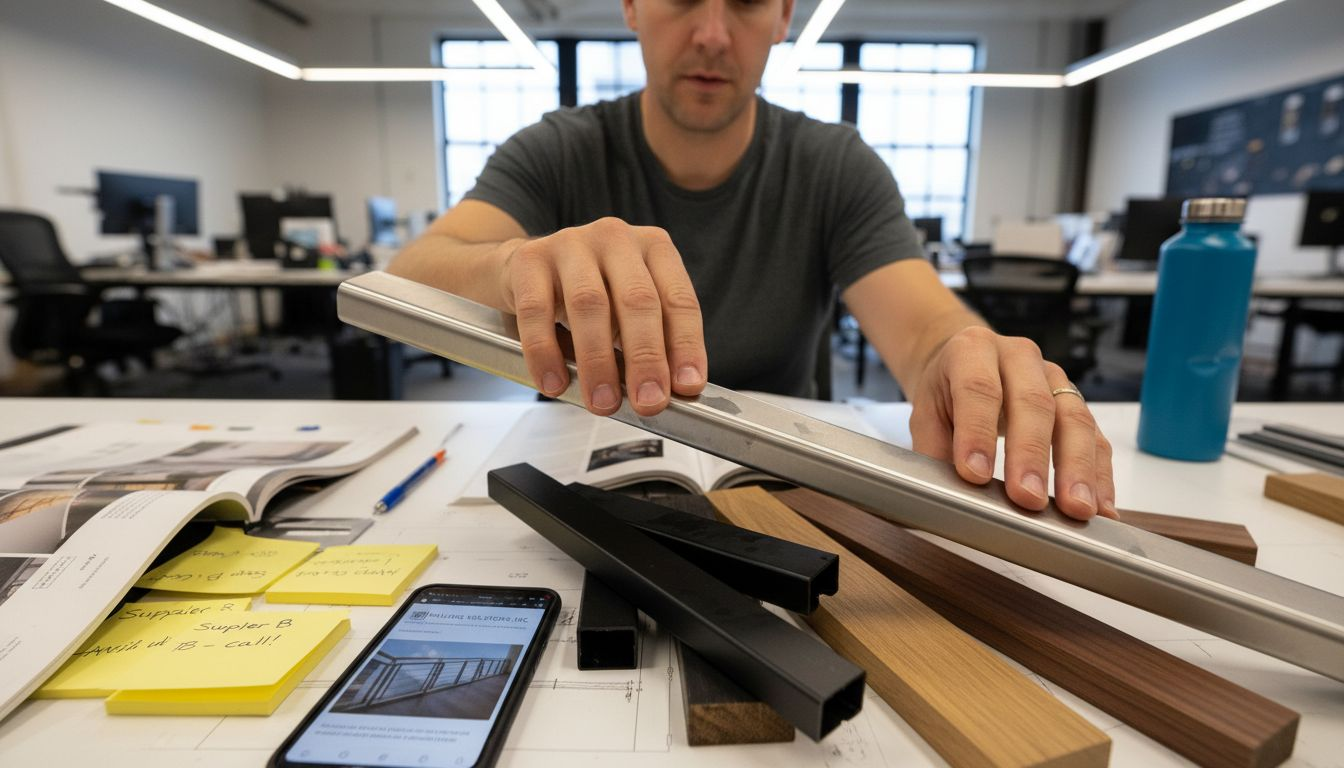
Once you’ve narrowed down model preferences, think about material selection. Stainless steel offers superior corrosion resistance, making it ideal for residential and commercial projects. The grade matters too—AISI 304 works well for most applications, while AISI 316 provides enhanced protection in harsher environments. Comparing materials and their performance characteristics helps you balance durability with budget constraints.
Here’s a comparison of common railing materials and their key project impacts:
| Material Type | Corrosion Resistance | Aesthetic Appeal | Maintenance Needs |
|---|---|---|---|
| Stainless Steel | Excellent | Modern, sleek look | Low, easy to clean |
| Powder-Coated Steel | Good | Wide variety of colors | Moderate, inspect coating |
| Glass Panels | Good (with stainless) | Transparent, open views | High, needs regular cleaning |
| Wood | Poor (if untreated) | Warm, traditional appearance | High, needs refinishing |
Customization options define your final railings. Consider these adjustable features:
- Height and width dimensions tailored to your space
- Baluster spacing and configuration patterns
- Handrail profiles and finishes
- Post locations and structural anchoring methods
- Glass panel integration or solid design
Color and finish choices impact both aesthetics and maintenance. Brushed stainless steel hides fingerprints better than polished finishes. Powder coating adds color options but requires proper surface preparation. Document your preferred finish specification clearly.
Think about functional requirements too. Do your railings need load-bearing capacity for structural support? Will they experience extreme weather exposure? Will they require frequent cleaning? Each consideration narrows your custom options toward practical solutions.
When you’re ready, compile your model selection and custom specifications into a detailed request. Include dimensions, material preferences, finish choices, and any unique design elements. This document becomes your ordering blueprint when you contact suppliers.
The right model paired with thoughtful customization options transforms a generic railing into a solution perfectly matched to your project’s character and performance needs.
Pro tip: Request samples or detailed product photos showing your chosen model in brushed and polished finishes before finalizing your order; this prevents finish surprises and ensures the final installation meets your aesthetic expectations.
Step 3: Provide Exact Measurements and Details
Precision is everything when ordering custom railings online. Inaccurate measurements lead to costly delays, remakes, and installation frustrations that derail your project timeline.
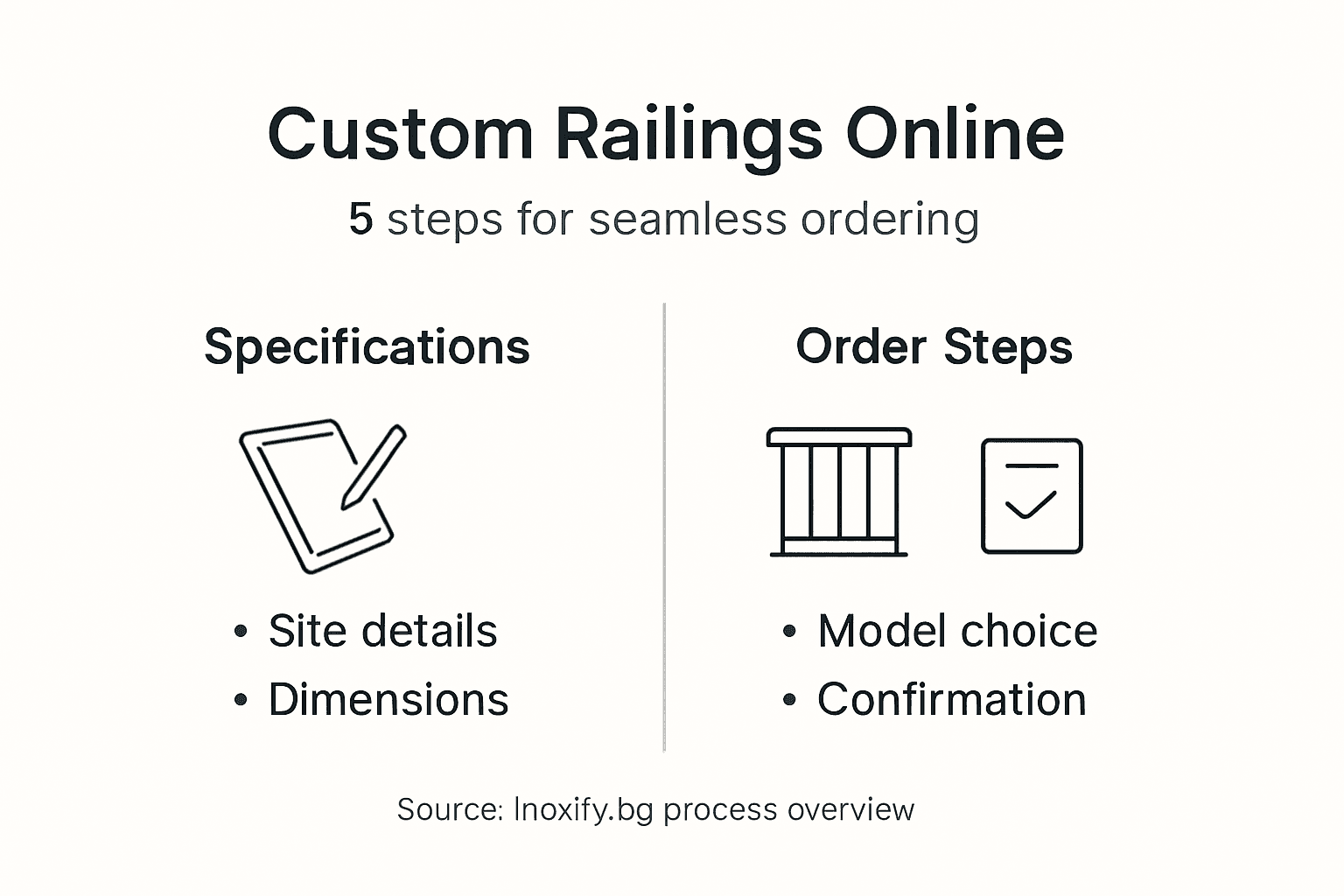
Start with overall dimensions. Measure the total length where your railings will run, from one end to the other. Use a quality measuring tape and take measurements at multiple points if the surface is uneven. Record these lengths in both meters and millimeters to avoid conversion errors. Height matters equally—measure from the finished floor level to where the handrail should sit, typically between 900 and 1100 millimeters depending on local building codes.
Next, document component specifications. Note the distance from the wall or mounting surface to where posts should attach. Measure any curves, angles, or transitions in your installation space. If your railing needs to navigate corners or stairs, sketch these details on paper or in photos. Include the surface type you’re mounting to—concrete, steel, wood—because attachment methods vary.
Detailed visual documentation strengthens your order. Take clear photographs from multiple angles showing the installation area, existing structures, and any obstacles. Include measurements written directly on photos when possible. Providing pictures and diagrams helps manufacturers understand your precise project needs, reducing misinterpretation.
Compile a comprehensive measurement sheet including:
- Total length and height dimensions with units clearly labeled
- Post spacing and baluster configuration requirements
- Handrail diameter and profile specifications
- Glass panel dimensions if applicable
- Mounting surface materials and anchor point locations
- Any site constraints or special installation conditions
Be specific about finish details too. Do you want brushed or polished stainless steel? Any particular sheen level? Does glass need to be tempered or laminated? Write these preferences clearly.
Double-check all measurements before submitting your order. A single error compounds throughout fabrication and installation. When measurements are exact and comprehensive, manufacturers deliver railings that fit perfectly the first time.
Exact measurements are your insurance policy against delays, remakes, and costly installation surprises on the job site.
Pro tip: Create a simple sketch or diagram showing your installation layout with all measurements labeled, then photograph it alongside your actual site photos; this visual reference dramatically reduces manufacturer questions and accelerates production timelines.
Step 4: Review Order Preview and Confirm Accuracy
Before you finalize your custom railing order, take time to carefully review the order preview. This verification step catches errors before they become expensive problems on your job site.
Most online railing suppliers provide a detailed order preview showing your specifications in visual or text format. This might include rendered images, dimension diagrams, or a comprehensive specification sheet. Open this preview and examine it methodically rather than quickly clicking approve.
Start by checking dimensional accuracy. Does the total length match your site measurements? Verify height, post spacing, and baluster configuration against your original documentation. Look for any rounded numbers that might not reflect your precise measurements. A difference of even 5 millimeters compounds across a long railing run.
Next, confirm material and finish selections. Is the stainless steel grade correct—AISI 304 or 316? Does the finish specification match your choice: brushed, polished, or satin? If you selected custom colors or special coatings, verify they appear accurately in the preview. Reviewing specifications before order finalization ensures all measurements, materials, and quality standards meet your project expectations.
Verify the following checklist items:
- Total length and height dimensions exactly match your measurements
- Post locations and spacing align with your site layout
- Handrail profile and diameter are correct
- Material grade and finish specifications are accurate
- Glass panel dimensions and type, if applicable
- Mounting hardware and anchor specifications
- Delivery timeline and installation instructions
Look for any notes or assumptions the manufacturer may have added. If something looks unclear or different from what you specified, contact the supplier immediately rather than hoping it works out during installation. This is your last chance to make changes before fabrication begins.
For a quick reference, here’s a summary of what to confirm in your final order review:
| Item to Confirm | Why It Matters | Typical Issues Caught |
|---|---|---|
| Dimensions & Layout | Ensures perfect onsite fit | Mismatched measurements |
| Material & Finish Type | Matches durability and appearance needs | Wrong steel grade or color |
| Mounting Hardware Specs | Guarantees safe and stable installation | Missing anchors or brackets |
| Delivery Timing & Access | Keeps project on schedule | Late delivery or no access |
If the preview is incorrect, request modifications and review the updated preview before approving. Small clarifications now prevent major problems later.
An order preview that receives your careful attention before approval is your protection against costly fabrication errors and installation delays.
Pro tip: Print or save the order preview as a PDF and share it with your project team or site supervisor before finalizing; this ensures everyone agrees on specifications and prevents surprise misalignments when railings arrive on site.
Step 5: Finalize Purchase and Coordinate Delivery
Once your order preview is approved, it’s time to complete the purchase and arrange delivery logistics. This final step requires attention to payment, scheduling, and communication to ensure your custom railings arrive ready for installation.
Review the final order summary one last time before payment. Confirm the total cost, payment terms, and any applicable taxes or shipping fees. Check the delivery timeline and make sure it aligns with your project schedule. If you need expedited delivery, discuss this with the supplier now rather than after payment is processed.
Complete the payment process through the supplier’s secure online system. Most reputable railing manufacturers offer multiple payment options including credit cards, bank transfers, and sometimes financing arrangements. Keep your payment confirmation and order number in a safe location for your records.
Now focus on delivery coordination. Coordinating delivery requires communication with suppliers and planning logistics to ensure materials arrive at the right time and condition. Contact the supplier to confirm:
- Expected delivery date and time window
- Delivery address and access requirements
- Unloading assistance availability
- Packaging and protection specifications
- Inspection procedures upon arrival
Provide clear delivery instructions. If your site has restricted hours, limited access, or special handling requirements, communicate these details explicitly. Poor delivery logistics can damage precision-fabricated railings or cause project delays.
Set up tracking and communication. Request regular updates as your order moves through fabrication and preparation for shipment. Most suppliers provide tracking numbers allowing you to monitor progress. Save contact information for your supplier’s customer service team in case issues arise.
Prepare your installation site to receive the railings. Ensure the area is accessible, protected from weather, and ready for unloading. Coordinate with your installation team about the delivery date so they can plan accordingly.
Effective delivery coordination is the bridge between a perfect order and successful installation—communication and planning prevent costly on-site surprises.
Pro tip: Arrange to have a site supervisor or project manager present during delivery to inspect the railings, verify dimensions, and document the delivery condition with photographs before signing acceptance.
Streamline Your Custom Railing Project with Trusted Stainless Steel Solutions
Ordering custom railings online can be overwhelming, especially when precise measurements, material choices, and compliance with building codes are critical to your project’s success. From ensuring exact dimensions to selecting the right corrosion-resistant stainless steel finish, every detail matters to avoid costly delays or installation setbacks. That’s why it is essential to trust a supplier who offers reliable ready-made and customizable options designed specifically for architectural and construction needs.
Discover premium stainless steel wall-mounted railings crafted with attention to quality and durability on Готови парапети за стена от неръждаема стомана AISI 304 | Inoxify.
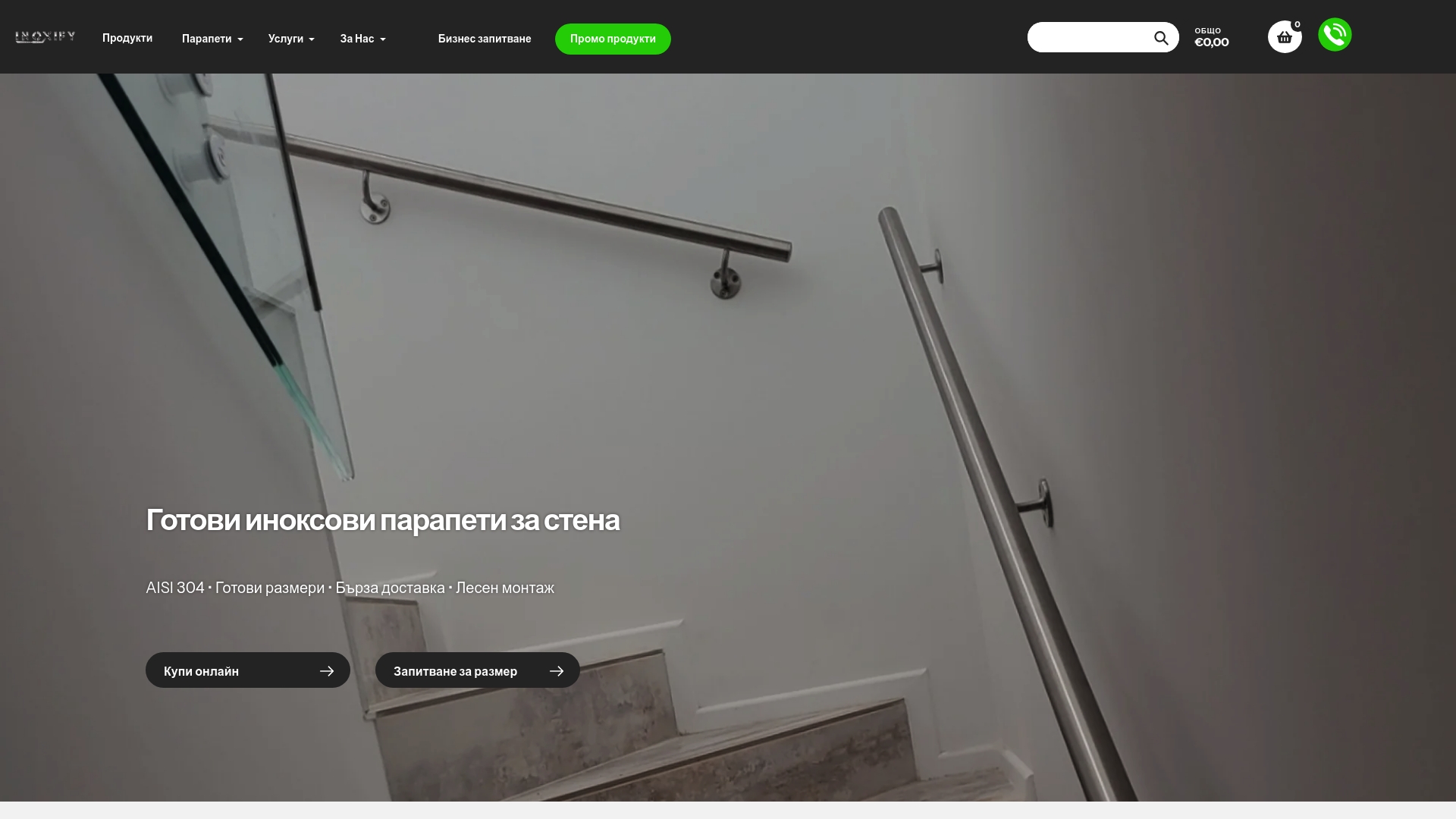
Take control of your project timeline by choosing Inoxify.bg, where you will find expert support, quick delivery, and easy ordering tailored to your exact specifications. Explore detailed custom options, verify finishes, and secure the perfect match for your environment. Visit Inoxify today and experience a smooth transition from specification to installation. For additional ready-to-install solutions, browse wall handrails collection now and start your order with confidence.
Frequently Asked Questions
How do I assess my project needs before ordering custom railings online?
Start by documenting the type of structure, site conditions, and regulatory compliance. Measure dimensions and environmental factors, and review local building codes to ensure your railings meet all necessary specifications.
What materials should I consider when selecting custom railings?
Consider materials like stainless steel, powder-coated steel, wood, or glass based on their corrosion resistance, aesthetic appeal, and maintenance needs. For example, stainless steel is ideal for both residential and commercial projects due to its durability and modern look.
How can I ensure my measurements for custom railings are accurate?
Use a quality measuring tape to record overall dimensions multiple times, including lengths and heights. Document specific component measurements and take clear photographs of the installation area to help manufacturers understand your project’s unique requirements.
What steps should I take to review my order before finalizing it?
Carefully examine the order preview for accuracy in dimensions, materials, and finishes. Confirm that all specifications match your initial documentation to prevent costly errors during fabrication and installation.
How can I coordinate the delivery of my custom railings?
Communicate clearly with your supplier to confirm the delivery date, access requirements, and any special handling needs. Ensure your installation site is ready and accessible for receiving the railings to avoid delays on the project.