Outdoor railing installation workflow 2026: cut delays 15%
Measurement errors exceeding ±2 mm plague outdoor stainless steel railing installations, causing 15% longer project timelines and 10% more material waste for contractors across Bulgaria. You struggle with alignment issues, rework, and missed deadlines when workflows lack precision. This guide delivers a step-by-step installation workflow tailored to Bulgarian outdoor conditions, helping you achieve consistent quality, reduce installation time, and maximize the corrosion resistance of AISI 316 stainless steel railings in residential and commercial projects.
Table of Contents
- Prerequisites And Site Preparation
- Material Preparation And Selection
- Measurement And Workflow Sequencing
- Installation Techniques
- Safety Considerations
- Common Mistakes And Troubleshooting
- Timelines And Expected Outcomes
- Alternative Installation Approaches And Tradeoffs
- Explore Inoxify’s Stainless Steel Railing Solutions
- Frequently Asked Questions
Key takeaways
| Point | Details |
|---|---|
| Pre-installation planning with ±2 mm accuracy | Precise measurements eliminate rework and reduce delays by documenting site conditions before fabrication begins. |
| AISI 316 selection and passivation | Using AISI 316 stainless steel for outdoor railings enhances corrosion resistance by 20-30% over AISI 304, especially in coastal climates. |
| Proper anchoring and safety protocols | Correct installation techniques improve structural stability by approximately 25% and reduce accidents by 40%. |
| Avoid alignment and contamination errors | Misalignment, dirty welding surfaces, and neglected corrosion protection cause most installation failures and rework. |
| Modular systems cut time by 40% | Prefabricated railings reduce installation duration significantly but increase upfront cost and limit customization options. |
Prerequisites and site preparation
Successful outdoor railing installation starts with thorough preparation before you arrive onsite. You need the right tools and materials ready to avoid mid-project delays that eat into your timeline and budget.
Essential tools include high-quality drills with masonry bits for concrete anchoring, laser levels or precision measuring tapes for alignment within ±2 mm, and certified welding equipment if you plan permanent joints. Safety gear matters just as much: harnesses for elevated work, protective gloves rated for sharp metal handling, and welding helmets with proper shade ratings. Selecting railing materials for quality demands understanding the difference between AISI 304 and 316 stainless steel grades, with 316 offering superior corrosion resistance for outdoor Bulgarian environments.
Site measurements require laser precision. Document all dimensions including post spacing, height requirements, and mounting surface conditions before fabrication. Weather considerations impact outdoor installations significantly: avoid welding in rain or high winds, and plan installations during stable temperature periods to prevent thermal expansion issues during assembly.
Terrain evaluation identifies potential complications. Sloped surfaces require angle adjustments for level railing runs, while soft soil may need reinforced anchor foundations. Inspect mounting surfaces for structural integrity, checking concrete for cracks or masonry for loose mortar that could compromise anchor strength.
| Tool/Material | Purpose | Critical Importance |
|---|---|---|
| Laser level | Achieve ±2 mm alignment accuracy | Prevents misalignment causing 15% timeline delays |
| AISI 316 stainless steel | Outdoor corrosion resistance | 20-30% better performance than 304 in coastal areas |
| Certified anchors | Structural stability | Improves load capacity by approximately 25% |
| Welding equipment | Permanent joint creation | Ensures long-term structural integrity |
| Safety harness | Fall protection | Reduces accident risk by 40% at heights |
Material preparation and selection
Choosing the right stainless steel grade determines how long your railing withstands Bulgarian outdoor conditions without corrosion or structural degradation. AISI 304 works adequately for sheltered outdoor locations with minimal moisture exposure, but using AISI 316 stainless steel for outdoor railings enhances corrosion resistance by 20-30% over AISI 304, especially in coastal climates such as Bulgaria’s Black Sea region.
Passivation treatment creates a protective chromium oxide layer on stainless steel surfaces, extending component lifespan by up to 50% in aggressive environments. This chemical process removes free iron from the surface, preventing rust formation at microscopic imperfections. Request passivated components from suppliers or perform the treatment onsite using citric acid solutions following manufacturer protocols.
Protective coatings add another defense layer. Clear powder coating preserves the metallic aesthetic while blocking salt spray and humidity penetration. For high-traffic commercial installations, consider abrasion-resistant topcoats that maintain appearance despite frequent contact.
Inspect every component before installation begins. Check tubes for dents or deformities that compromise structural strength. Examine glass panels for chips or cracks invisible during casual observation. Verify anchor bolts meet specified grades and haven’t corroded during storage. Rejecting defective materials before installation prevents costly mid-project replacements.
Environmental factors guide material choices. Coastal projects within 5 kilometers of the Black Sea demand AISI 316 as standard due to constant salt air exposure. Urban installations near industrial zones benefit from steel railing durability with AISI 316 resisting chemical pollutants. Mountain installations face temperature extremes requiring materials tolerant of freeze-thaw cycles without brittleness.
Pro Tip: Store stainless steel components off the ground on wooden pallets covered with breathable tarps. Direct ground contact or sealed plastic wrapping traps moisture, causing surface staining that requires extra cleaning before installation.
Measurement and workflow sequencing
Precise measurement within ±2 mm tolerance separates professional installations from amateur attempts requiring costly rework. Start with comprehensive site documentation using calibrated measuring tools verified against known standards.
Follow this proven workflow sequence:
- Mark all post locations using string lines and chalk, verifying spacing meets design specifications and building codes.
- Measure and record exact distances between mounting points, accounting for surface irregularities.
- Dry fit all major components without permanent attachment to identify interference or alignment issues.
- Drill anchor holes at marked locations, using templates to ensure consistent positioning.
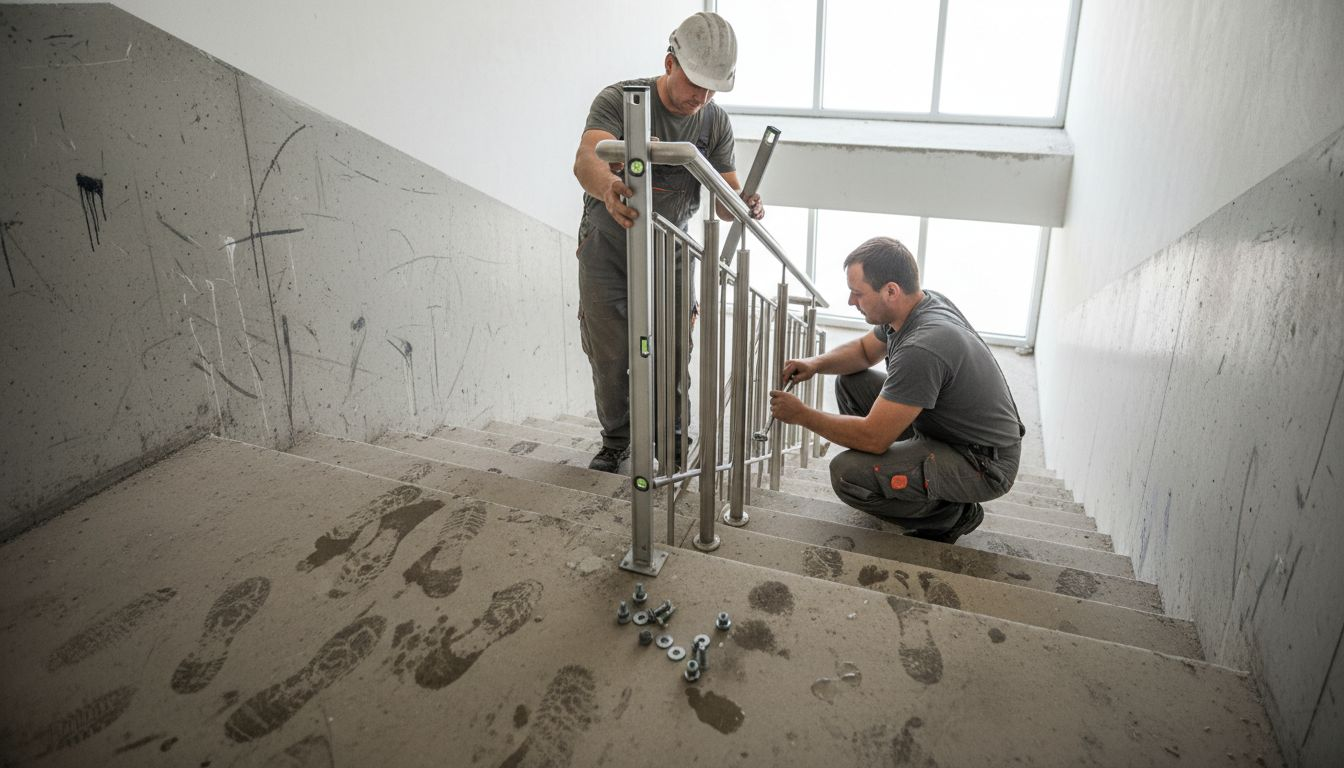
- Install anchor bolts or mounting plates, checking vertical and horizontal alignment with levels.
- Attach posts and verify plumb alignment before proceeding to handrail installation.
- Install handrails and infill panels, maintaining consistent spacing and parallel alignment.
- Complete all welding or mechanical connections following specifications.
- Apply final surface treatments and protective coatings.
- Conduct final inspection and quality verification.
Document measurements photographically and in written records. This creates quality control evidence and troubleshooting reference if questions arise during or after installation. Clients appreciate transparency, and documented processes protect you against unfounded complaints.

Dry fitting prevents expensive mistakes. Assemble the complete railing system temporarily using clamps instead of permanent fasteners. Walk the entire installation checking for visual alignment, consistent spacing, and proper fit at connections. Identify problems now when adjustments cost minutes instead of hours of grinding and rework.
Measurement best practices include:
- Measure twice, cut once remains valid wisdom, but measure three times for critical dimensions.
- Use the same measuring tool throughout the project to eliminate calibration variations between devices.
- Account for thermal expansion in long railing runs exceeding 10 meters by including expansion joints.
- Cross-check measurements against original design drawings before proceeding to fabrication or cutting.
- Mark measurements clearly using permanent markers or engraving to prevent confusion during assembly.
Following the installation workflow guide and modern railing solutions step by step resources ensures you miss no critical steps that compromise quality or safety.
Installation techniques
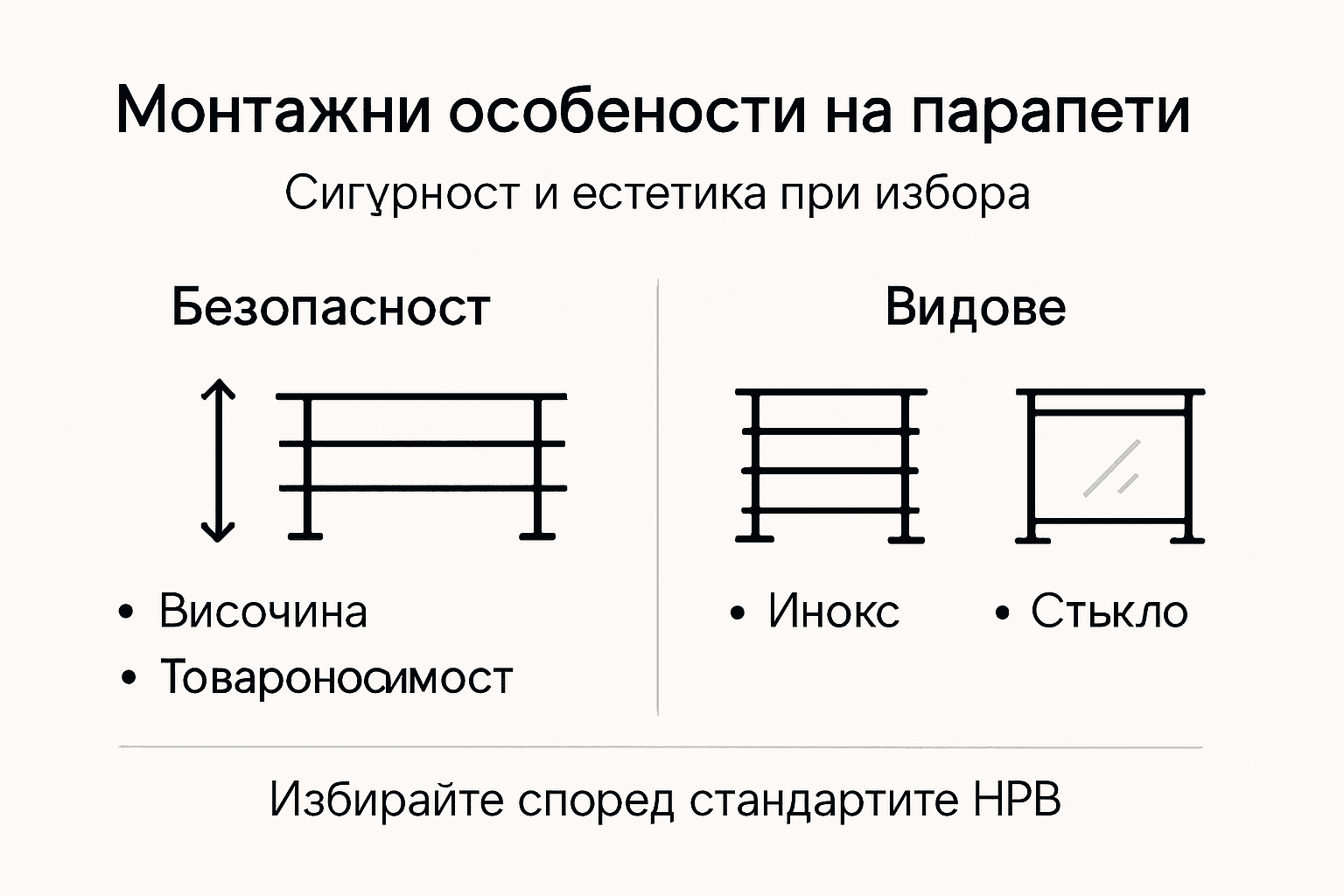
Mounting methods vary based on substrate material and design requirements. Wall-mounted anchors attach railings to vertical surfaces like building facades or retaining walls, ideal when floor space is limited or aesthetic preferences favor minimal visual obstruction. Floor-mounted anchors secure posts to horizontal surfaces such as concrete slabs or wooden decks, providing maximum stability for freestanding railing systems.

Anchor selection depends on substrate strength and load requirements. Chemical anchors create bonds in concrete through epoxy resin curing, offering superior holding power in cracked or aged concrete. Mechanical expansion anchors work by wedging against hole walls, suitable for solid concrete with no cracking. Through-bolts penetrate completely and secure with nuts on the opposite side, providing maximum strength when accessible.
Welding creates permanent joints with excellent strength and clean appearance. TIG welding produces high-quality stainless steel joints with minimal discoloration, ideal for visible connections requiring polished finish. MIG welding offers faster production for hidden joints or applications accepting slight aesthetic compromise. Proper technique demands clean surfaces, appropriate filler rod selection, and controlled heat input preventing warping.
Mechanical fixing using bolts and brackets provides removable connections facilitating future maintenance or modifications. This approach suits modular systems and locations where welding is prohibited due to fire risk. Use stainless steel fasteners matching or exceeding base metal grade to prevent galvanic corrosion at connection points.
Glass parapet handling requires extreme care. Tempered glass panels shatter completely if edges contact hard surfaces during installation. Use suction cup lifters rated for panel weight and size. Install rubber edge protection in all channels before sliding glass into position. Never force panels; channels should accept glass with minimal resistance.
Bulgarian building codes mandate specific load capacities and spacing requirements. Verify your installation meets or exceeds stainless railing installation techniques standards for structural stability. Typical residential railings must withstand 1.0 kN horizontal force applied at handrail height, while commercial installations often require 1.5 kN capacity.
Pro Tip: Choose anchor depth based on substrate condition, not just manufacturer minimums. Questionable concrete quality demands 50% greater embedment depth for equivalent holding power compared to fresh, high-strength concrete.
Safety considerations
Personal protective equipment protects you from the hazards inherent in metalworking and elevated installation. Wear cut-resistant gloves rated ANSI A4 or higher when handling sharp stainless steel edges. Safety glasses with side shields prevent grinding sparks and metal particles from causing eye injuries. Steel-toed boots protect feet from dropped components weighing 20 kilograms or more.
Scaffolding setup demands attention to manufacturer specifications. Verify base plates rest on solid, level ground capable of supporting system weight plus worker load. Install guardrails on all open sides of platforms exceeding 2 meters height. Check cross-bracing connections and locking pins before ascending. Never exceed rated load capacity by stacking excess materials on platforms.
Electrical safety around welding equipment prevents electrocution and fire. Inspect cables for damaged insulation before each use. Keep electrode holders and ground clamps away from wet surfaces. Disconnect power when changing electrodes or making equipment adjustments. Position fire extinguishers within 10 meters of welding operations and clear combustible materials from the area.
Fall protection becomes mandatory for work exceeding 2 meters above ground level per Bulgarian occupational safety regulations. Use full-body harnesses connected to secure anchor points rated for fall arrest loads. Inspect harnesses before each use for frayed webbing or damaged hardware. Position yourself to minimize fall distance and avoid swing hazards if a fall occurs.
Critical Safety Warning: Never weld galvanized steel without proper ventilation and respiratory protection. Zinc fumes cause metal fume fever with flu-like symptoms appearing hours after exposure. Work outdoors or use local exhaust ventilation, and wear respirators rated for welding fumes when ventilation is inadequate.
Risk mitigation strategies include:
- Conduct toolbox talks each morning reviewing the day’s specific hazards and control measures.
- Assign a dedicated spotter when operating lifts or moving large components in congested areas.
- Establish exclusion zones below elevated work to protect ground-level workers from falling objects.
- Secure all tools with lanyards to prevent drops from height that could injure workers below.
- Monitor weather conditions and cease outdoor work when wind speeds exceed safe limits for your scaffolding configuration.
Common mistakes and troubleshooting
Improper alignment stems from rushing initial layout. Posts installed even 3 mm off plumb create visible handrail bow across 10-meter spans. Fix alignment issues by loosening anchor bolts and using shims or adjustment plates to correct position before final tightening. Severe misalignment may require drilling new anchor holes and patching mistakes.
Measurement errors beyond ±2 mm cause components that don’t fit together. Handrails cut too short leave dangerous gaps, while oversized pieces force awkward field modifications. Prevent this by triple-checking all measurements against design drawings and using cutting templates for repetitive pieces. When errors occur, fabricate replacement components rather than attempting inadequate field fixes.
Failing to clean welding surfaces creates weak joints prone to failure under load. Stainless steel oxidation, oils from handling, and grinding residue contaminate weld zones. Clean all joint areas with acetone or denatured alcohol immediately before welding. Use stainless steel wire brushes dedicated solely to stainless steel to avoid cross-contamination from carbon steel. Weak welds require grinding out and complete re-welding with properly cleaned surfaces.
Neglecting corrosion protection results in premature rust and aesthetic degradation. Even stainless steel shows surface corrosion when passivation layers are damaged during fabrication or installation. Apply passivation treatment to all fresh cuts, drilled holes, and welded areas before final assembly. Touch up any scratches or abrasions with portable passivation pens. For existing corrosion, remove rust with fine abrasives and re-passivate affected areas.
Incorrect anchoring causes catastrophic stability failures. Undersized anchors or insufficient embedment depth allow posts to pull out under load. Verify anchor specifications match engineering requirements for your specific installation. Load test anchors before attaching expensive railing components by applying forces exceeding design requirements. Failed anchors must be replaced with larger sizes or relocated to sound substrate areas.
Timelines and expected outcomes
Realistic timeline expectations help you schedule projects accurately and manage client communication effectively. A skilled two-person crew typically completes 10 linear meters of standard outdoor railing installation in 1.5 to 2 days, assuming normal site conditions and pre-fabricated components.
Complex installations with extensive glass infill panels or intricate designs may extend timelines by 30% to 50%. Difficult access locations requiring scaffolding setup add 0.5 to 1 day regardless of railing length. Weather delays are unpredictable but plan for 10% to 15% schedule buffer during spring and autumn when conditions change rapidly.
Quality benchmarks define successful installations. Measurement accuracy within ±2 mm ensures professional appearance and proper component fit. All posts must be plumb within 1 mm per meter of height. Handrails should be level or follow designed slopes without visible waviness or dips.
Structural stability improvements from proper anchoring and installation techniques provide approximately 25% greater load capacity compared to minimum code requirements. This safety margin accounts for unexpected loading events and provides long-term durability as connections age.
Safety protocol adherence reduces workplace accidents by 40% based on construction industry studies. Investing time in proper equipment setup and hazard control prevents injuries that destroy project timelines and worker wellbeing.
| Metric | Standard Performance | Best Practice Target |
|---|---|---|
| Installation speed | 10 meters in 2 days | 10 meters in 1.5 days |
| Measurement accuracy | ±3 mm typical | ±2 mm or better |
| Structural capacity | 1.0 kN residential minimum | 1.25 kN with proper anchoring |
| Safety incident rate | Industry baseline | 40% reduction with protocols |
| Material waste | 10% typical | 5% with precise planning |
Alternative installation approaches and tradeoffs
Traditional onsite fabrication offers maximum customization for unique architectural requirements. You measure, cut, and assemble components directly at the project location, adapting to site conditions as you discover them. This flexibility accommodates irregular layouts and last-minute design changes without prefabrication delays. However, onsite work extends installation timelines due to sequential fabrication steps and exposes materials to weather during the process. Labor costs increase as skilled workers spend more time per project.
Modular prefabricated systems arrive as complete railing sections ready for rapid installation. Factory-controlled manufacturing ensures consistent quality and precise dimensions. You simply position, anchor, and connect preassembled modules, cutting installation time by up to 40% compared to traditional methods. This speed advantage matters for commercial projects with tight schedules or residential clients minimizing disruption. Upfront costs run higher due to engineering and factory production, and customization options are limited to manufacturer standard configurations.
Best use cases depend on project characteristics. Residential coastal properties benefit from traditional AISI 316 fabrication tailored to specific erosion patterns and architectural styles. Custom homes with unique designs require onsite flexibility. Commercial fast-turnaround projects like apartment complexes or office buildings favor modular systems maximizing installation efficiency across repetitive layouts. Budget-conscious clients with standard requirements find modular approaches cost-effective when installation labor savings offset higher material costs.
| Approach | Installation Time | Upfront Cost | Customization | Quality Control |
|---|---|---|---|---|
| Traditional Onsite | Baseline (2 days/10m) | Lower material costs | Unlimited design freedom | Depends on installer skill |
| Modular Prefabricated | 40% faster (1.2 days/10m) | Higher material costs | Limited to standard options | Factory-controlled consistency |
| Best For | Unique designs, coastal AISI 316 | Fast commercial projects | High customization needs | Repetitive commercial layouts |
Explore Inoxify’s stainless steel railing solutions
Inoxify specializes in high-quality stainless steel railings engineered for Bulgarian contractors demanding efficiency and durability. Our expertise helps you choose stainless steel railings matching your project requirements while our detailed resources cover stainless steel railing durability and design principles.

Our ready-made railing systems deliver the ready-made railings benefits you need: professionally fabricated AISI 316 components that cut installation time by 40%, precision manufacturing ensuring ±2 mm accuracy, and complete technical support throughout your project. Whether you’re installing coastal residential railings or commercial systems, Inoxify provides the materials and guidance to streamline your workflow and exceed quality expectations. Visit our blog and product pages today to discover how we simplify your next stainless steel railing installation.
Frequently asked questions
What tools are essential for outdoor stainless steel railing installation?
You need precision measuring devices like laser levels for ±2 mm accuracy, high-quality drills with masonry bits for concrete anchoring, and certified welding equipment for permanent joints. Safety gear including harnesses for elevated work, cut-resistant gloves, and welding helmets protects you from installation hazards.
How do I choose between AISI 304 and AISI 316 stainless steel for my project?
Select AISI 316 for coastal or humid areas because AISI 316 stainless steel outperforms AISI 304 by 20-30% in corrosion resistance in coastal climates. AISI 304 works adequately for sheltered outdoor environments with minimal moisture exposure and lower corrosion risk.
What are common mistakes to avoid during installation?
Avoid measurement errors exceeding ±2 mm that cause misfit components and timeline delays. Never skip cleaning welding surfaces before joining, as contamination creates weak joints. Always apply corrosion protection to cuts and welds, and follow documented workflows to reduce rework by 15%.
How long does a typical outdoor railing installation take?
A skilled two-person crew completes 10 linear meters of standard outdoor railing in 1.5 to 2 days under normal conditions. Following proper measurement and workflow preparation improves timeline adherence and reduces delays from rework. Complex designs or difficult access may extend timelines by 30% to 50%.