

Инокс стандарт AISI 316: Защо е ключов избор за архитектурни проекти
Изборът на материал за балюстради често поставя архитектите пред трудни решения за устойчивост и естетика. Проекти в крайбрежни или индустриални райони в България изискват сигурност срещу корозия и механичен стрес. AISI 316 се отличава с подобрена корозионна устойчивост благодарение на молибден и висока механична якост от около 580 MPa. Тази статия дава ясна преценка как стандартът отговаря на специфичните нужди на строителните предприемачи и архитектурата.
Съдържание
- Какво представлява инокс стандарт AISI 316
- Видове неръждаеми стомани от клас 316
- Основни характеристики и корозионна устойчивост
- Архитектурни приложения на AISI 316 балюстради
- Сравнение с AISI 304 и алтернативи
- Практически рискове, разходи и често срещани грешки
Основни извлечения
| Точка | Детайли |
|---|---|
| Висока корозионна устойчивост | Неръждаемата стомана AISI 316 предлага изключителна корозионна устойчивост, особено в агресивни среди. |
| Специализирани варианти | Клас 316 предлага различни модификации, които са адаптирани за специфични приложения в индустрията и архитектурата. |
| Планиране и консултации | Преди избор на AISI 316, е важно да се консултирате с експерти за оценка на специфичните изисквания на проекта. |
| Рискове и разходи | Работата с AISI 316 може да включва високи разходи и специфични рискове, които трябва да се предвидят в предварителния анализ. |
Какво представлява инокс стандарт AISI 316
Инокс стандарт AISI 316 е високотехнологичен неръждаем материал, който се отличава с изключителни характеристики и широко приложение в архитектурата и индустрията. Този специален клас неръждаема стомана се определя от уникалния си химичен състав, който включва хром, никел и молибден, правещи го надежден избор за взискателни проекти.
Основната характеристика на AISI 316 е нейната подобрена корозионна устойчивост. Стандартът се различава от други неръждаеми стомани чрез:
- Съдържание на молибден (2-3%), което повишава устойчивостта към агресивни химически среди
- Висок процент хром (16-18%) и никел (10-14%)
- Изключителна устойчивост на корозия, особено в морска среда
- Механична якост с височина около 580 MPa
Професионалистите в архитектурата ценят AISI 316 заради нейната изключителна пластичност и способност да запазва качествата си при екстремни температури. Този материал притежава отлична способност за обработка, което го прави идеален за сложни конструктивни решения като парапети, фасадни елементи и архитектурни detайли.
Про съвет: Преди да изберете инокс стандарт, консултирайте се с експерт, който може да прецени специфичните изисквания на вашия проект.
Видове неръждаеми стомани от клас 316
Неръждаемата стомана клас 316 включва няколко специализирани варианта, които се различават по своите химични и механични характеристики. Различните модификации на стандарта са проектирани да отговарят на специфични изисквания в различни индустриални приложения.
Основните типове включват:
- 316 Standard: Базов клас с типичен химичен състав
- 316L: Нисковъглероден вариант с подобрена корозионна устойчивост
- 316F: Модификация с по-добра обработваемост
- 316N: Вариант с добавен азот за повишена якост
- 316Ti: Стабилизиран с титан за работа при високи температури
Всеки от тези варианти притежава уникални предимства. Различните модификации на стоманата се характеризират с леки промени в химичния състав, които им позволяват да бъдат използвани в специфични условия – от архитектурни проекти до прецизна индустриална дейност.
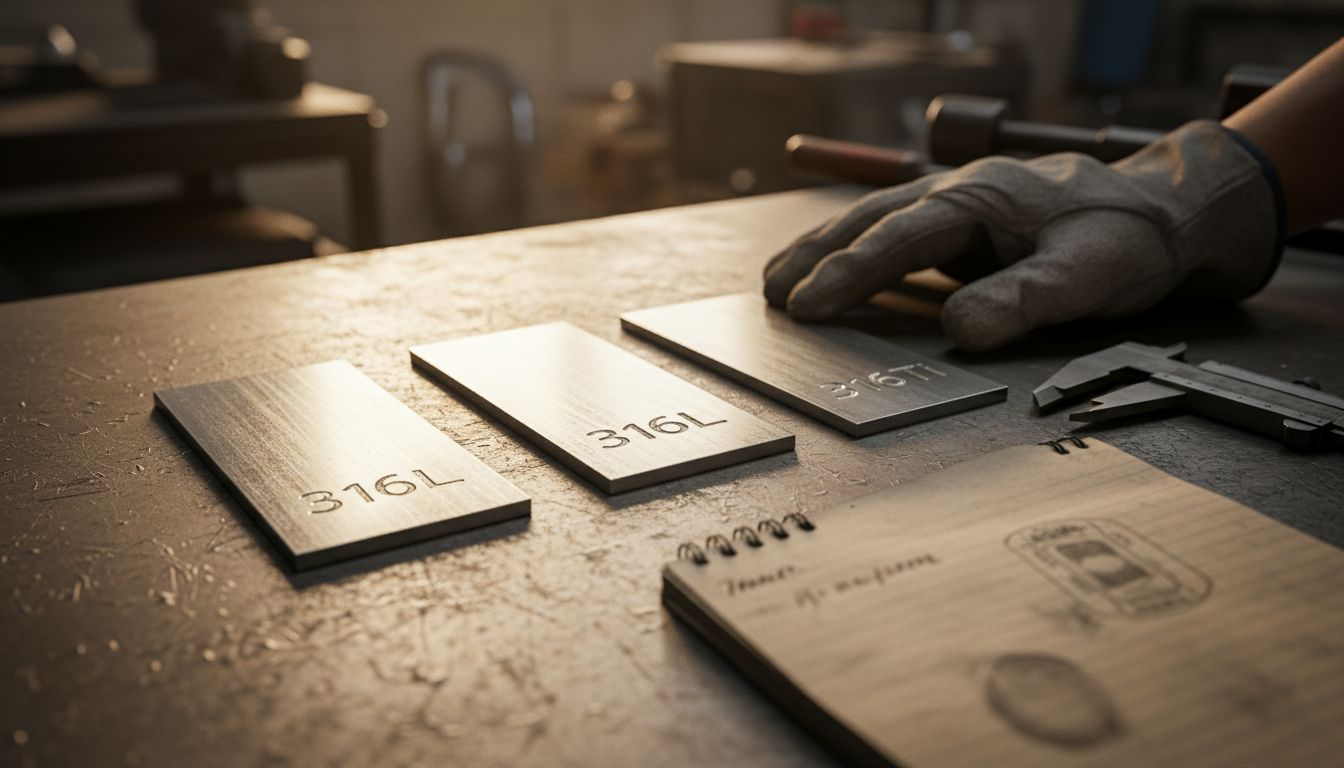
При избора на точния вариант е важно да се анализира конкретната работна среда, температурни условия и механични натоварвания, които ще бъдат приложени върху материала.
Ето как различните варианти на стомана AISI 316 се отличават по предназначение и ключови характеристики:
| Вариант | Основно приложение | Ключова характеристика |
|---|---|---|
| 316 Standard | Универсални архитектурни решения | Добра корозионна устойчивост |
| 316L | Медицинско оборудване, химическа индустрия | Ниско съдържание на въглерод |
| 316F | Машинни детайли, производство | Отлична обработваемост |
| 316N | Индустриални конструкции | Повишена якост и стабилност |
| 316Ti | Елементи при високи температури | Стабилизирана структура с титан |
Про съвет: Консултирайте се с металургичен специалист, който може да ви препоръча най-подходящия вариант на неръждаема стомана 316 според спецификата на вашия проект.
Основни характеристики и корозионна устойчивост
Неръждаемата стомана AISI 316 се отличава с изключителни механични и химически характеристики, които я правят предпочитан материал в архитектурата и индустрията. Високата корозионна устойчивост се дължи на специфичния химичен състав, който включва молибден, хром и никел.
Основните характеристики включват:
- Висока якост на опъване
- Отлива заваряемост
- Изключителна пластичност
- Устойчивост на механични натоварвания
- Способност за формообразуване
Молибденът играе ключова роля в подобряването на корозионната устойчивост, особено в агресивни среди. Микроструктурата на материала осигурява допълнителна защита срещу локални корозионни процеси като точкова и цепковидна корозия.
При избора на инокс стандарт AISI 316 архитектите и инженерите разчитат на неговата способност да запазва качествата си при екстремни условия – от морска среда до химически агресивни производствени пространства.
Про съвет: При планиране на проект с неръждаема стомана задължително извършвайте предварителни изпитвания на материала в условия, максимално близки до реалната работна среда.
Архитектурни приложения на AISI 316 балюстради
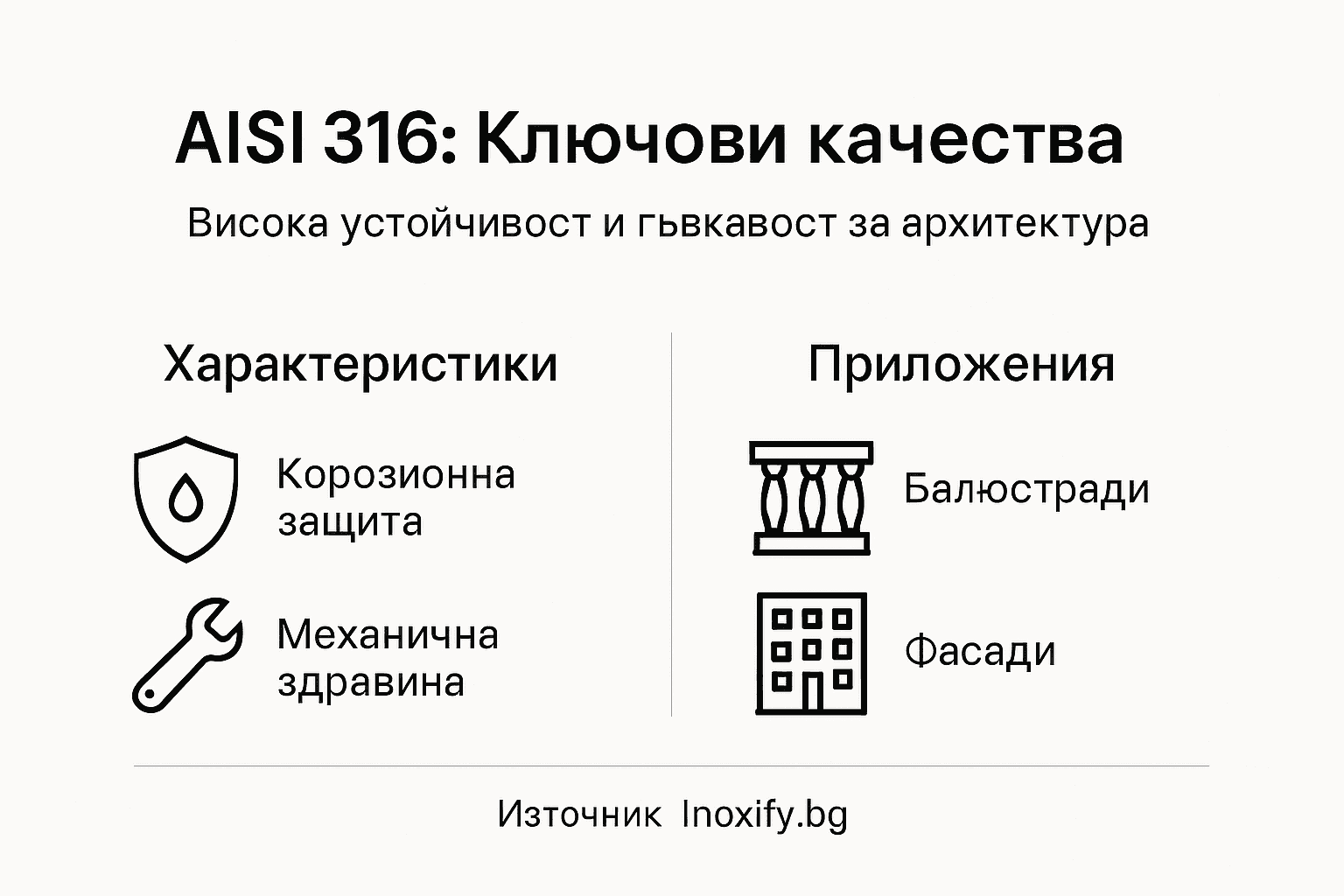
Неръждаемата стомана AISI 316 се превръща в предпочитан материал за балюстради поради своите изключителни технически характеристики. Приложенията в архитектурата покриват широк спектър от строителни и дизайнерски решения, от модерни обществени сгради до частни резиденции.
Основните архитектурни приложения включват:
- Външна обшивка на сгради
- Парапети за тераси и балкони
- Вътрешни декоративни елементи
- Ограждения около басейни
- Стълбищни конструкции
- Перила в обществени пространства
При избора на балюстради от инокс AISI 316 архитектите разчитат на неговата устойчивост към корозия, особено в агресивни среди като крайбрежни райони или райони с висока влажност. Корозионната устойчивост означава, че материалът запазва своя естетически вид и структурна цялост дори при продължително излагане на екстремни атмосферни условия.
При планирането на архитектурни проекти с балюстради от инокс AISI 316 се препоръчва да се вземат предвид специфичните изисквания на конкретната среда – нейната влажност, температурни амплитуди и потенциални химически въздействия.
Про съвет: Преди монтаж на балюстради от инокс AISI 316 задължително консултирайте се с металургичен специалист, който да прецени спецификата на вашия проект.
Сравнение с AISI 304 и алтернативи
Неръждаемите стомани AISI 316 и AISI 304 са двата най-разпространени стандарта, които архитектите и инженерите разглеждат при избор на материал за балюстради и конструктивни елементи. Ключовата разлика между двата стандарта се крие в тяхната химична композиция и корозионна устойчивост.
Основни разлики между AISI 316 и AISI 304:
- AISI 316 съдържа молибден (2-3%)
- По-висока корозионна устойчивост на AISI 316
- AISI 316 е по-подходящ за агресивни среди
- AISI 304 е по-евтин вариант
- Леко по-висока цена на AISI 316
Сравнителният анализ на двата стандарта показва, че AISI 316 превъзхожда AISI 304 при експлоатация в морска и химическа среда. Двата стандарта имат сходни механични характеристики, но различията в корозионната устойчивост определят тяхната дългосрочна ефективност.
При избора между AISI 316 и алтернативни материали като алуминий или неръждаема стомана AISI 304, архитектите трябва да отчитат специфичните изисквания на конкретния проект – експлоатационна среда, бюджет и естетически предпочитания.
Ето обобщена таблица за основните различия между стандартите AISI 316, AISI 304 и алуминий:
| Материал | Корозионна устойчивост | Цена | Типични приложения |
|---|---|---|---|
| AISI 316 | Много висока | По-висока | Крайбрежни и химически среди |
| AISI 304 | Средна | По-ниска | Общи архитектурни елементи |
| Алуминий | Средна до ниска | Най-ниска | Леки конструкции, декоративни части |
Про съвет: Винаги правете подробен анализ на работната среда и нейните агресивни фактори преди окончателния избор на материал за балюстради.
Практически рискове, разходи и често срещани грешки
При работа с неръждаема стомана AISI 316 съществуват специфични предизвикателства, които могат да повлияят на крайния резултат на архитектурния проект. Практическите рискове при използването са свързани както с разходите, така и с техническите особености на материала.
Най-чести грешки включват:
- Неправилна повърхностна обработка
- Използване на прекомерна топлина при заваряване
- Замърсяване с въглеродна стомана
- Неподходящи техники на финиране
- Подценяване на специфичните изисквания за поддръжка
Разходите за AISI 316 са значително по-високи в сравнение с други материали, което изисква прецизен икономически анализ. Технологичните особености при обработката налагат използването на специализирани инструменти и експертно знание, което допълнително увеличава първоначалната инвестиция.
При планирането на проекти с AISI 316 е от изключителна важност да се отчетат всички потенциални рискове – от първоначалната инвестиция до дългосрочната експлоатация и поддръжка на материала.
Про съвет: Преди окончателното решение за избор на материал задължително направете пълен технико-икономически анализ, включващ разходи за целия жизнен цикъл на конструкцията.
Открийте силата на инокс стандарт AISI 316 за вашите архитектурни проекти
Изборът на правилния материал е ключов за постигането на дълготрайни и стилни архитектурни решения. Ако търсите висока корозионна устойчивост и непреходна здравина за балюстради и парапети, разгледайте богатия избор на готови решения от Кръгли елементи и Пръти от неръждаема стомана, произведени по стандарт AISI 316.
Преобразете архитектурния си проект с доверие към качеството на Inoxify.bg. Ние предлагаме готови за монтаж парапетни системи, които съчетават надеждност и елегантност. Започнете с разглеждане на нашия каталог и направете правилния избор още сега на https://inoxify.bg.
Често задавани въпроси
Какви са основните характеристики на инокс стандарт AISI 316?
Инокс AISI 316 притежава изключителна корозионна устойчивост, особено в морски и агресивни среди. Съдържанието на молибден повишава устойчивостта му на химически въздействия, а механизмът му е с висока якост на опъване и отлична пластичност.
Какви са различията между AISI 316 и AISI 304?
Основната разлика е, че AISI 316 съдържа молибден, което му осигурява по-висока корозионна устойчивост в агресивни среди, докато AISI 304 е по-евтин вариант, подходящ за общи архитектурни приложения.
В какви архитектурни приложения може да се използва AISI 316?
AISI 316 е идеален за балюстради, парапети, външна обшивка на сгради, ограждения около басейни и декоративни елементи в интериори, благодарение на своята устойчивост на корозия и атмосферни влияния.
Какви са предимствата на различните варианти на AISI 316, като 316L и 316Ti?
Вариантите AISI 316L и 316Ti предлагат специфични предимства: 316L има ниско съдържание на въглерод за по-добра корозионна устойчивост, докато 316Ti е стабилизиран с титан, което го прави подходящ за работа при високи температури.
Свързани страници в Inoxify
Разгледайте нашите специализирани секции за оферти, цени с монтаж и техническа информация:
- Парапети – главна
- Парапети за тераси
- Парапети за стълбища
- Иноксови парапети за тераса
- Иноксови парапети за стълбище