

Why Specify Custom Railings for Renovations
For every residential renovation project in Bulgaria, choosing the right railing system is far more complex than picking a basic boundary. Architects and contractors know that durability and style go hand in hand, yet many misconceptions persist about what custom stainless steel railings truly offer. This guide highlights the real advantages of custom railings and separates fact from fiction, giving you the clarity and expertise needed to create safer, visually striking spaces that meet precise regulatory and design needs.
Table of Contents
- Custom Railings Defined And Typical Misconceptions
- Variations In Railing Types And Materials
- Core Functions: Safety, Style, And Installation
- Local Regulations For Railing Specifications
- Cost, Durability, And Common Pitfalls
Key Takeaways
| Point | Details |
|---|---|
| Custom Railings Offer Versatility | They are designed to meet specific project needs, integrating safety and aesthetic value beyond standard options. |
| Material Selection is Crucial | Choosing the right railing material affects durability, cost, and compliance; each material has unique strengths. |
| Understanding Local Regulations is Essential | Compliance with local building codes ensures safety and avoids costly renovation delays; consult experts for guidance. |
| Consider Long-Term Costs | Investing in high-quality materials may reduce maintenance costs, making initial expenses more favorable in the long run. |
Custom railings defined and typical misconceptions
Custom railings are precision-engineered safety systems that go far beyond basic barriers, offering architects and contractors sophisticated design solutions tailored to specific project requirements. Unlike standard prefabricated options, these specialized installations allow complex geometric configurations that seamlessly integrate functional safety with architectural aesthetics.
Most renovation professionals encounter several persistent misconceptions about custom railings that can significantly impact design decisions:
- Prefabricated kits are universally suitable for all spaces
- Custom railings are unnecessarily expensive
- Material choices are limited to standard steel configurations
- Safety compliance is guaranteed by any railing system
- Aesthetic customization compromises structural integrity
In reality, custom railings represent a nuanced approach to architectural safety and design. These systems are engineered to address unique spatial challenges, incorporating site-specific measurements, local building codes, and precise aesthetic requirements that mass-produced solutions cannot accommodate.
Professional architects recognize that custom railings provide far more than basic boundary markers. They are sophisticated architectural elements that balance structural performance, visual harmony, and regulatory compliance in a single integrated solution. Each custom railing becomes a purposefully designed component that enhances both the functional and aesthetic dimensions of a renovation project.
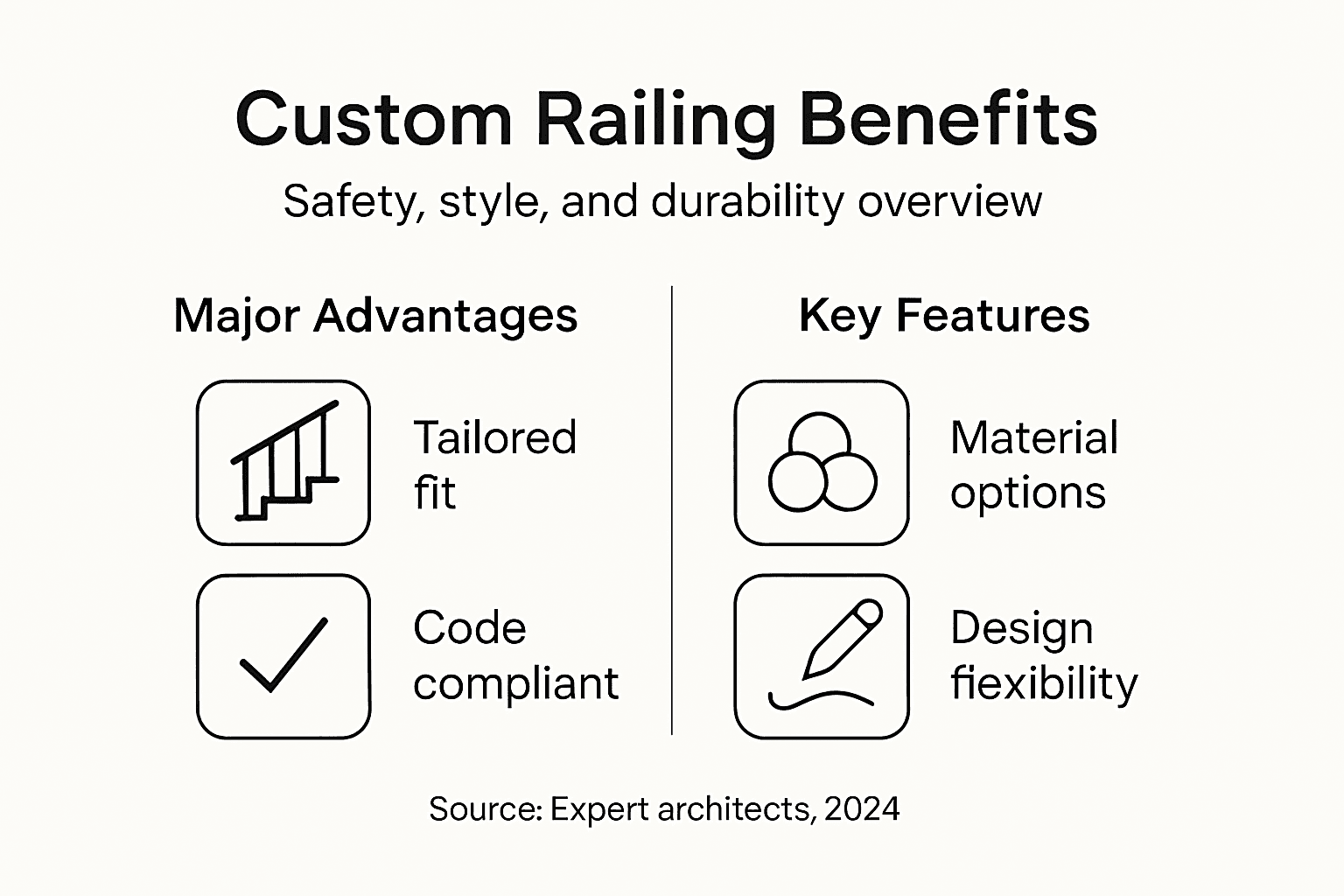
Pro Tip: Always conduct a comprehensive site survey and consult local building regulations before specifying custom railing designs to ensure optimal safety and compliance.
Variations in railing types and materials
Modern architectural railing solutions encompass a diverse range of materials and design configurations, each offering unique performance characteristics for renovation projects. Railing materials vary significantly in their structural properties, aesthetic appeal, and long-term durability, making material selection a critical design decision.
The primary railing material categories include:
- Stainless Steel: Known for exceptional strength and corrosion resistance
- Aluminum: Lightweight and versatile with excellent weather durability
- Structural Glass: Provides modern transparency and unobstructed views
- Composite Materials: Combining multiple substrates for enhanced performance
- Wrought Iron: Traditional option with classic aesthetic appeal
Each material presents distinct advantages for renovation contexts. Stainless steel railings, for instance, offer superior structural integrity and minimal maintenance requirements, making them ideal for high-traffic areas and exterior applications. Aluminum alternatives provide cost-effective solutions with remarkable weight advantages, particularly beneficial in complex architectural renovations requiring lightweight support systems.
Professional architects and contractors understand that material selection goes beyond aesthetic preferences. The chosen railing material must integrate seamlessly with existing architectural elements, meet local building codes, withstand environmental conditions, and provide long-term performance. Stainless steel railing options represent a particularly versatile solution that balances technical requirements with design flexibility.

Here’s a summary comparing major railing materials for renovation projects:
| Material Type | Visual Appeal | Durability | Best Use Cases |
|---|---|---|---|
| Stainless Steel | Modern, polished look | High corrosion resistance | Exterior balconies, public areas |
| Aluminum | Sleek, lightweight | Good weather durability | Roof decks, lightweight needs |
| Structural Glass | Seamless transparency | Requires regular cleaning | Showrooms, scenic views |
| Composite Materials | Customizable finishes | Varies by substrate | Custom designs, specialty areas |
| Wrought Iron | Classic, ornate styles | Prone to rust if untreated | Historic buildings, decorative zones |
Pro Tip: Conduct comprehensive material compatibility testing and consult structural engineers to ensure your chosen railing material meets both aesthetic and safety requirements for your specific renovation project.
Core functions: safety, style, and installation
Railings are sophisticated architectural elements that simultaneously address critical safety requirements and aesthetic design objectives. Comprehensive railing design balances multiple functional priorities beyond simple barrier installation, integrating structural integrity with visual appeal.
The core functions of architectural railings encompass three primary dimensions:
- Safety Compliance: Preventing falls and meeting building code requirements
- Aesthetic Integration: Complementing existing architectural design language
- Structural Performance: Supporting dynamic and static loading conditions
- Boundary Demarcation: Defining spatial transitions and movement corridors
- Ergonomic Support: Providing hand guidance and stability
Safety remains the paramount consideration in railing design. Rooftop railing installations require precise engineering to ensure load-bearing capabilities, height specifications, and resistance to environmental stresses. Professional architects understand that safety is not merely about meeting minimum code requirements but creating holistic protective systems that anticipate potential human interaction and environmental challenges.
Beyond functional requirements, architectural railings serve as critical design elements that communicate spatial relationships and aesthetic intentions. The installation process demands meticulous attention to detail, considering material compatibility, mounting techniques, and long-term performance characteristics that extend far beyond initial visual impressions.
Pro Tip: Conduct comprehensive load testing and engage structural engineers during the design phase to ensure your railing system exceeds safety standards while maintaining design integrity.
Local regulations for railing specifications
Navigating the complex landscape of railing regulations requires a comprehensive understanding of building code specifications and safety standards that vary across different jurisdictions. These regulations are designed to ensure public safety, structural integrity, and consistent architectural performance across residential and commercial renovation projects.
Key regulatory considerations for railing specifications typically include:
- Height Requirements: Minimum and maximum railing heights based on application
- Load Capacity: Structural strength testing standards
- Baluster Spacing: Maximum permissible gaps to prevent accidental falls
- Material Performance: Durability and corrosion resistance standards
- Mounting Specifications: Attachment and anchoring requirements
Local building authorities frequently adopt national model codes like the International Building Code (IBC) and International Residential Code (IRC), but often implement unique regional amendments that reflect specific environmental or architectural contexts. Professional architects and contractors must navigate these nuanced requirements, understanding that compliance involves more than meeting minimum technical specifications.
The table below highlights how key regulatory considerations impact custom railing projects:
| Regulatory Factor | Project Impact | Example Concern |
|---|---|---|
| Height Requirements | Influences design choice | Meeting minimum safety |
| Load Capacity | Dictates structure size | Withstanding crowd weight |
| Baluster Spacing | Affects child safety | Preventing small gaps |
| Material Performance | Alters material selection | Ensuring corrosion proofing |
| Mounting Specifications | Impacts installation | Achieving secure anchoring |
The Role of Railings in Renovations extends beyond simple regulatory compliance. Architectural railing systems must balance safety engineering with design aesthetics, creating solutions that meet stringent performance standards while contributing to the overall visual language of a space. This requires a holistic approach that considers load dynamics, human interaction patterns, and long-term structural resilience.
Pro Tip: Consult local building department experts and obtain written regulatory interpretations before finalizing railing design to ensure complete compliance and avoid potential renovation delays.
Cost, durability, and common pitfalls
Custom railing projects involve complex financial and technical considerations that extend far beyond initial material expenses. Cost analysis for balcony railings reveals that upfront investments in quality design and materials can significantly reduce long-term maintenance expenses.
Common cost and durability considerations include:
- Material Selection: Direct impact on initial and lifetime project expenses
- Installation Complexity: Labor costs and technical requirements
- Maintenance Frequency: Long-term preservation expenses
- Corrosion Resistance: Durability in different environmental conditions
- Structural Integrity: Load-bearing capacity and performance longevity
Architects and contractors frequently encounter several critical pitfalls during custom railing specification. Underestimating installation complexity, overlooking environmental stress factors, and failing to account for regional building code variations can lead to substantial unexpected expenses and potential structural compromises.
Professional railing design demands a holistic approach that balances aesthetic aspirations with practical engineering constraints. Custom Railing Solutions require comprehensive evaluation of material performance, budget limitations, and long-term architectural objectives to create truly successful renovation outcomes.
Pro Tip: Request detailed material performance certifications and conduct comprehensive site-specific load testing to prevent future structural and financial complications.
Discover Reliable Custom Stainless Steel Railings Tailored for Your Renovation Needs
Renovation projects demand railing solutions that perfectly balance safety compliance, durable materials, and stunning architectural design. The article highlights challenges such as navigating complex local building codes, selecting corrosion-resistant materials, and ensuring proper installation. If these concerns resonate with you, our expert stainless steel railing systems at Inoxify.bg are designed to deliver just that. We specialize in precision-engineered, ready-to-install railing and parapet solutions made from premium AISI 304 and 316 stainless steel—offering unmatched resistance to corrosion and lasting durability for interior and exterior applications.
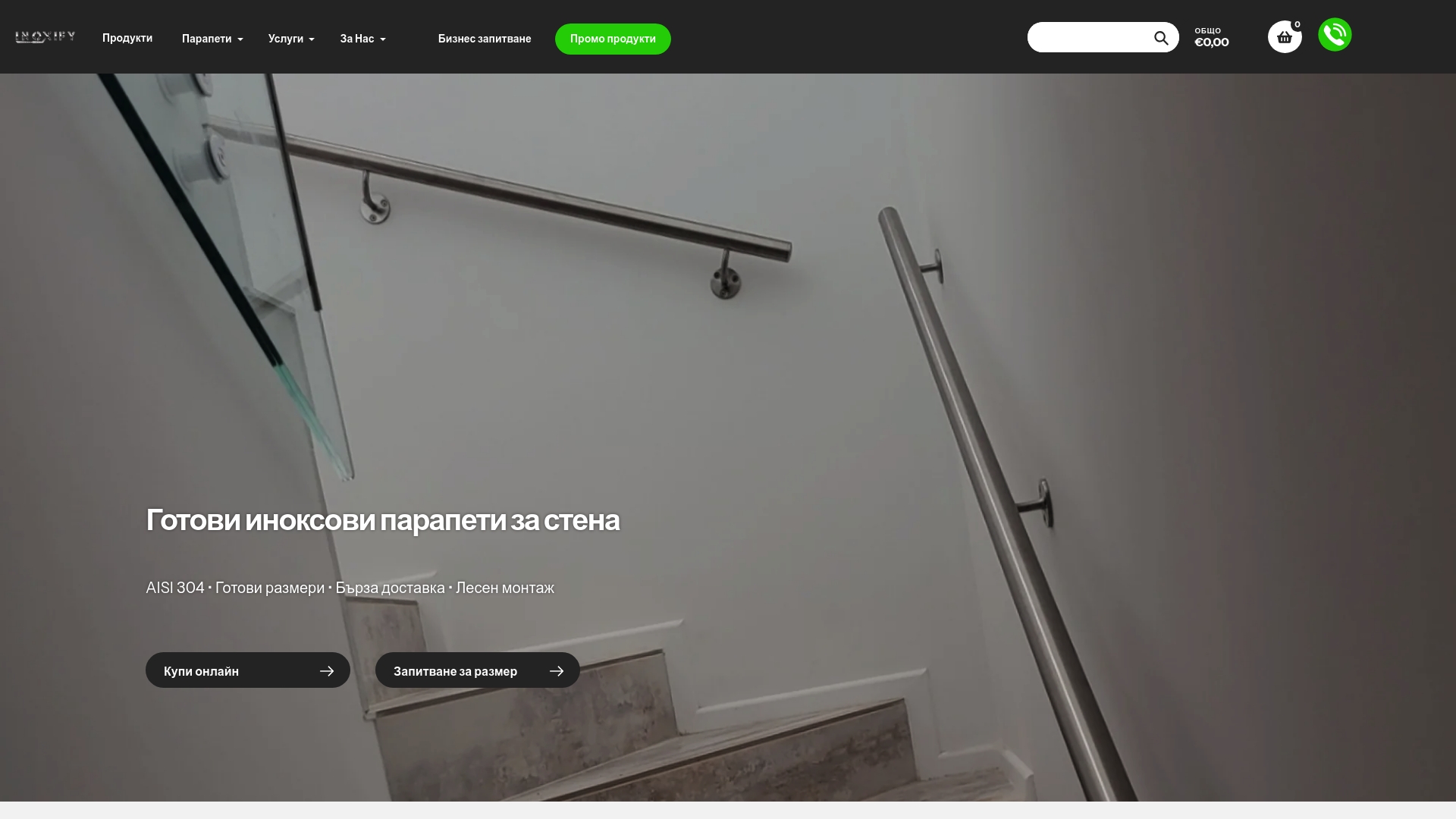
Experience the peace of mind that comes with selecting custom sizes and models crafted locally in Bulgaria for swift delivery and quality assurance. Whether you require wall-mounted designs or integrated glass parapets, our streamlined ordering process at Inoxify.bg ensures your renovation meets both architectural beauty and critical safety standards. Take the next step and explore our range of stainless steel railings today to elevate your project with reliable, stylish, and code-compliant solutions.
Frequently Asked Questions
What are the advantages of specifying custom railings for renovation projects?
Custom railings provide tailored solutions that integrate safety, aesthetics, and structural performance, ensuring they meet specific project requirements that standard options may not accommodate.
How can I ensure my custom railings comply with local building codes?
Conduct a comprehensive site survey, consult local building regulations, and engage with local building department experts to confirm compliance with safety standards and specifications.
What materials are commonly used for custom railings, and how do they differ?
Common materials include stainless steel for strength, aluminum for lightweight options, structural glass for transparency, composite materials for customization, and wrought iron for traditional aesthetics. Each material offers unique durability and performance characteristics.
What are some common pitfalls to avoid when specifying custom railings?
Common pitfalls include underestimating installation complexity, overlooking environmental stress factors, and failing to account for regional building code variations, which can lead to unexpected costs and structural issues.